Dull and uneven skinRoutine guide
The Routine for Dull, Uneven Skin
Dull skin is dead cells scattering light, too little water and patchy pigment. The routine that fixes all three, from cleanser to sunscreen.
Published September 21, 2026 · 9 min read · 9 sources · By N/FORM
The short version
- Dull skin is a surface that scatters light instead of reflecting it. Three things cause that at once, a build-up of dead cells that should have shed, too little water in the outer layer, and uneven pigment, and each needs its own step.
- The routine is five steps, cleanse gently, exfoliate with 5% glycolic acid two or three evenings a week, apply vitamin C in the morning, moisturize morning and evening, and wear sunscreen every day.
- Texture changes first, over a few weeks, because glycolic acid loosens the dead cells that are already there. Tone changes over two to three months, because a skin cell takes 40 to 56 days to travel from the base of the epidermis to being shed.
- Skipping sunscreen undoes the rest. In a 4.5-year trial of 903 adults, daily sunscreen users showed no detectable increase in skin aging while discretionary users aged 24% more.
Dull skin is a surface problem before it is anything else. A layer of dead cells that has stayed too long scatters light instead of reflecting it, the cells underneath are short on water so there is no smooth surface for light to bounce off, and patches of extra pigment break up the tone. A skincare routine for dull skin fixes those three things in order: cleanse without stripping, exfoliate two or three evenings a week with a 5% glycolic acid toner, apply vitamin C in the morning, moisturize, and wear sunscreen every day. Texture improves in a few weeks; tone takes two to three months, because that is how long skin takes to replace itself.
What dull skin is doing
Skin renews itself from the bottom up. A new cell is made at the base of the epidermis, flattens and hardens as it rises, spends its last stretch as part of the outer layer (the stratum corneum) and is shed. That trip takes roughly 40 to 56 days1. When shedding lags behind production, dead cells pile up. The outer layer gets thicker and more compacted, and a compacted layer of dry, flat cells scatters light rather than reflecting it. That is the gray, matte cast people call dull, and it is why exfoliation helps: alpha hydroxy acids loosen the bonds between dead cells and thin that compacted layer2.
The second cause is water. The outer layer is dead cells set in a mortar of lipids, and the cells stay flexible and smooth only while they hold water with a mix of small molecules called natural moisturizing factors. When those are lost and the lipids are disordered, the layer stiffens and roughens, and rough does not shine3.
The third is pigment. Sun spots, the marks left after breakouts, and the general patchiness that comes from years of sun all break the tone into a mosaic, and the eye reads a mosaic as dull even when the skin is smooth. Exfoliation and vitamin C both work on this, slowly, and only if the sun is not adding pigment faster than they take it away.
Step one: cleanse without taking the shine with it
For dull skin the wrong cleanser makes the second cause worse: a harsh foaming wash strips the lipid mortar along with the day's sunscreen and grime, so the outer layer loses water faster and stiffens. A sulfate-free foaming cleanser with coconut- and sugar-derived surfactants, which is what Reset Cleanser is, cleans the surface without leaving it tight. Lukewarm water, thirty seconds, pat dry. If your skin feels tight after washing, change that first, before any acid or serum.
Step two: exfoliate two or three evenings a week, not every night
This is the step that clears the light-scattering layer. Resurface Toner carries 5% glycolic acid, the smallest of the alpha hydroxy acids (AHAs), which is the family of water-soluble exfoliating acids. Glycolic acid loosens the bonds between dead surface cells so they shed, thins the compacted outer layer, and over time thickens the living epidermis underneath2. In a double-blind, placebo-controlled trial, 75 volunteers used 5% glycolic acid daily for three months and their skin texture and discoloration improved significantly against placebo4.
That trial used it daily, and daily is the ceiling, not the recommendation; Resurface Toner is for two or three evenings a week. The other half of the same review is the reason: AHAs raise sun sensitivity while in use, and more acid more often means more irritation, not a faster result2. Apply it to clean, dry skin in the evening, wait a minute, then moisturize. Nothing else exfoliating on the same night. The guide on how often to exfoliate sets out the frequency by skin type and the signs you have overdone it, and the glycolic acid page has the trial detail.
Step three: vitamin C in the morning
Vitamin C is the step for tone. Brighten Serum carries 2% ascorbyl glucoside, a form of vitamin C bonded to a sugar so that it does not oxidize in the bottle, plus 1% ferulic acid. On human skin explants in the lab, 1.8% ascorbyl glucoside was converted back to vitamin C by the skin and protected against oxidative stress as well as 15% pure ascorbic acid, while staying stable in storage5. The clinical evidence is a 24-week, double-blind half-face trial: 27 women with sun spots used ascorbyl glucoside on one side and placebo on the other, and the ascorbyl glucoside side had lightened significantly at 12 and 24 weeks6. Two of that paper's authors work for the manufacturer, which the paper declares. The spots in that trial were sun spots, not the marks left by breakouts.
Ferulic acid is there as the antioxidant partner. In pig skin, adding 0.5% ferulic acid to a solution of L-ascorbic acid and vitamin E doubled its photoprotection, from 4-fold to about 8-fold, and stabilized both vitamins7. That was pig skin with the pure acid, not people and not ascorbyl glucoside, so read it as the reason ferulic acid is in the formula, not a result the formula has been shown to give.
Morning is the slot because vitamin C works as an antioxidant during the hours the skin is exposed. Apply it to clean skin, let it sink in, then moisturizer and sunscreen. It can share a routine with glycolic acid, and the guide on glycolic acid and vitamin C together explains why separating them by time of day is enough. The vitamin C and ferulic acid pages cover each ingredient on its own.
Step four: moisturize so the surface has something to shine from
Dry skin is a failure of the outer layer to hold water, driven by lost natural moisturizing factors and disordered lipids, and it is humectants plus lipids together that restore it3. Barrier Cream is the moisturizer for most dull skin: aloe leaf juice, sodium PCA and hyaluronic acid to draw water in, jojoba seed oil to slow it leaving, and no fragrance, which matters on evenings after an acid. Use it morning and evening.
If your skin is oily, Balance Gel is the oil-free alternative, a gel with hyaluronic acid and zinc PCA for normal to oily and combination skin. It contains fragrance and declared allergens, so sensitive or reactive skin stays with Barrier Cream.
Step five: sunscreen every day, or the rest is wasted
We do not sell a sunscreen. The step still belongs here because without it the other four work against the sun. Ultraviolet light drives the pigment that makes tone uneven, and glycolic acid raises the skin's sensitivity to it while you are using it2. The trial that settles the question followed 903 adults for 4.5 years: those assigned to daily sunscreen showed no detectable increase in skin aging, while the group using it at their own discretion aged 24% more8. Broad-spectrum, every morning, as the last step.
The mistakes that keep dull skin dull
Exfoliating every day. More acid does not shed cells faster than the skin makes them; it irritates the living layer underneath, which then looks red and rough rather than bright, and adds sun sensitivity2.
A scrub on top of the acid. Both do the same job. Doing both on one night is exfoliating twice. Keep the acid, drop the scrub.
Skipping the moisturizer because the skin is oily. Oily skin can still be short on water in its outer layer, and a dry outer layer scatters light regardless of what the pores are doing3. Use the gel if the cream is too much, but use something.
Switching every two weeks. The American Academy of Dermatology advises using a product for 6 to 8 weeks before judging it and allowing up to three months for full results; changing products every week or two irritates the skin9.
Sunscreen only on sunny days. The daily group in the sunscreen trial was the one with no measurable aging; the discretionary group used it when the weather seemed to call for it8.
What to expect from a skincare routine for dull skin, week by week
Weeks one to two. The first Resurface evenings take off the loosest dead cells, so the skin feels smoother almost at once. Tone has not changed. Tingling on acid nights is normal; stinging that lasts, or redness the next morning, means once a week for now.
Weeks three to six. Texture is now visibly smoother and light reflects more evenly, so the gray cast lifts. The skin cells that were at the base of the epidermis when you started are only now reaching the surface, since that trip takes 40 to 56 days1. Pigment marks are unchanged or only slightly softer.
Weeks six to twelve. This is the window for tone. The half-face trial of ascorbyl glucoside measured its first significant lightening of sun spots at 12 weeks6, and the 5% glycolic acid trial measured its texture and discoloration change at three months4. Judge the routine here, not before9. The guide on how long skincare takes to work goes step by step. If your unevenness is mostly the marks breakouts leave behind, read how to fade post-acne marks next; those marks have their own first step.
Questions people ask
Why does my skin look dull even though I moisturize?
Because moisturizer addresses one of the three causes. If a compacted layer of dead cells sits on top, water underneath does not make it reflect light; the layer has to shed. Glycolic acid loosens the bonds between those cells and thins the layer, which moisturizer cannot do2.
Can I use glycolic acid and vitamin C in the same routine?
Yes. Put the vitamin C on in the morning and the glycolic acid on in the evening, two or three nights a week, and they never meet on the skin. Ascorbyl glucoside is a stable form of vitamin C that does not depend on the very low pH pure ascorbic acid needs, so the old worry about acids interfering does not apply to it in the same way5. The reason to separate them is irritation, not chemistry.
How long does it take to get glow back?
Smoother texture within the first couple of weeks, a lift in the gray cast by week three to six, and tone change by two to three months. Skin replaces its outer layer over 40 to 56 days, so nothing that works on pigment can show sooner than that1. The AAD advises giving any product 6 to 8 weeks before judging it9.
Is dull skin the same as dehydrated skin?
Dehydration is one of the three causes of dullness, so they overlap but are not the same. Dehydrated skin has an outer layer failing to hold water, which makes it rough and flat3. Skin can also be dull from built-up dead cells or uneven pigment, and those need exfoliation and vitamin C, not more water.
Should I use a scrub or an acid for dull skin?
An acid. Glycolic acid loosens the bonds between dead cells evenly across the whole surface and thins the compacted layer, which a scrub does unevenly and with friction2. At 5% it has a placebo-controlled trial behind it for texture and discoloration4. If you keep a scrub, not on the same night as the acid.
Sources
Every study cited above, with what it found and where it can be read. A study of an ingredient is not a study of one of our formulas, and we say which kind each one is.
- 1
Iizuka, Journal of Dermatological Science, 1994
Review
A skin cell takes roughly 40 to 56 days to travel from the base of the epidermis to being shed, which is why a change in skin needs weeks, not days, to show.
- 2
Kornhauser, Clinical, Cosmetic and Investigational Dermatology, 2010
Review
Review of hydroxy acids: AHAs such as glycolic acid loosen the bonds between dead surface cells, thin the compacted outer layer and thicken living epidermis; they also raise sun sensitivity while in use.
- 3
Rawlings and Harding, Dermatologic Therapy, 2004
Review
Review of stratum corneum moisturization: dry skin is a failure of the outer layer to hold water, driven by lost natural moisturizing factors and disordered lipids, and humectants plus lipids together restore it.
- 4
Thibault, Dermatologic Surgery, 1998
Clinical trial
75 volunteers used 5% glycolic acid daily for three months, double-blind and placebo-controlled; skin texture and discoloration improved significantly against placebo.
- 5
Jacques, International Journal of Cosmetic Science, 2021
Laboratory study
On human skin explants, 1.8% ascorbyl glucoside was converted back to vitamin C by the skin and protected against oxidative stress as well as 15% pure ascorbic acid, while staying stable in storage. Lab skin, not a clinical trial.
- 6
Takada, International Journal of Molecular Sciences, 2024
Clinical trial
Double-blind half-face trial, 27 women with sun spots, 24 weeks: the ascorbyl glucoside side lightened significantly against the placebo side at 12 and 24 weeks. Two authors work for the manufacturer, which the paper declares.
- 7
Lin, Journal of Investigative Dermatology, 2005
Laboratory study
Adding 0.5% ferulic acid to a vitamin C and E solution doubled its photoprotection, from 4-fold to about 8-fold, and stabilized both vitamins. Pig skin, not people.
- 8
Hughes, Annals of Internal Medicine, 2013
Clinical trial
Randomized trial, 903 adults, 4.5 years: daily sunscreen use showed no detectable increase in skin ageing, against 24% more ageing in the discretionary-use group.
- 9
American Academy of Dermatology
Guidance
The American Academy of Dermatology advises using a product for 6 to 8 weeks before judging it and allowing up to three months for full results; changing products every week or two irritates skin.
The formulas this guide points at
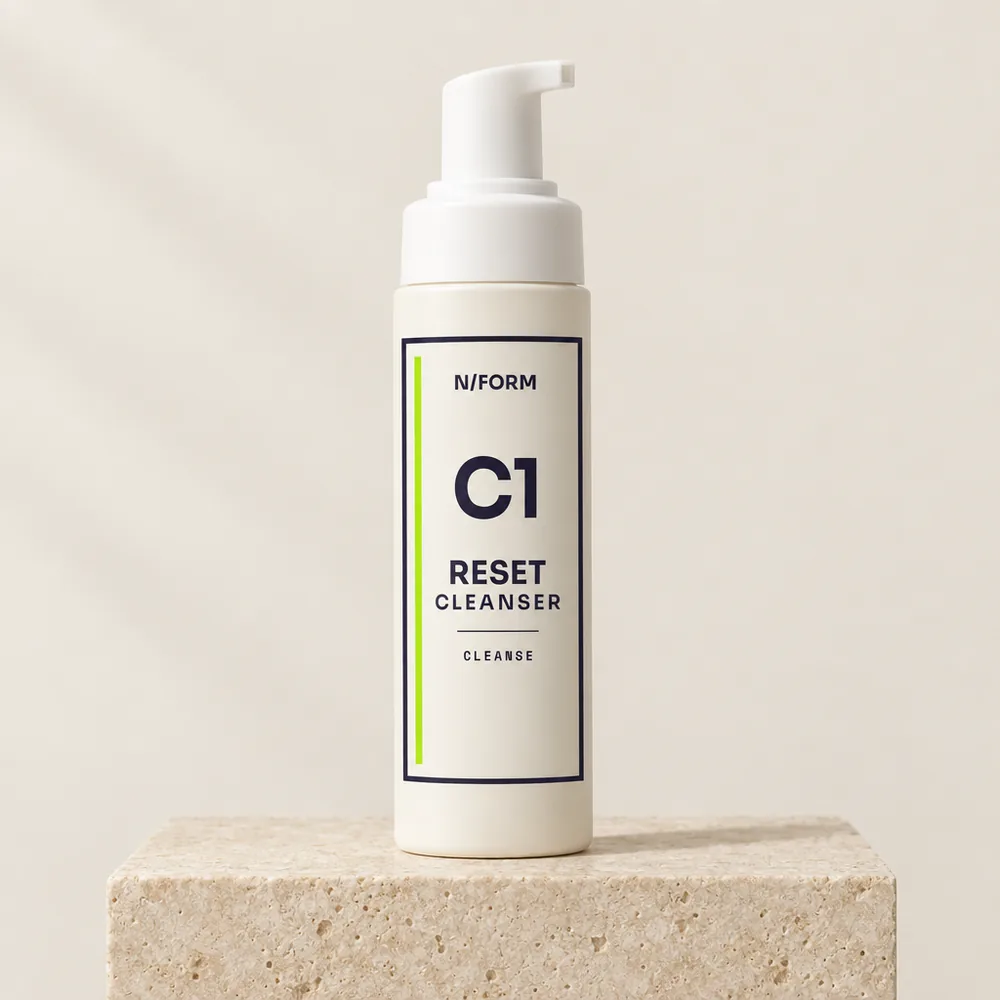
C1
Reset Cleanser
Barrier-Protecting Sulfate-Free Foaming Cleanser
Price: $28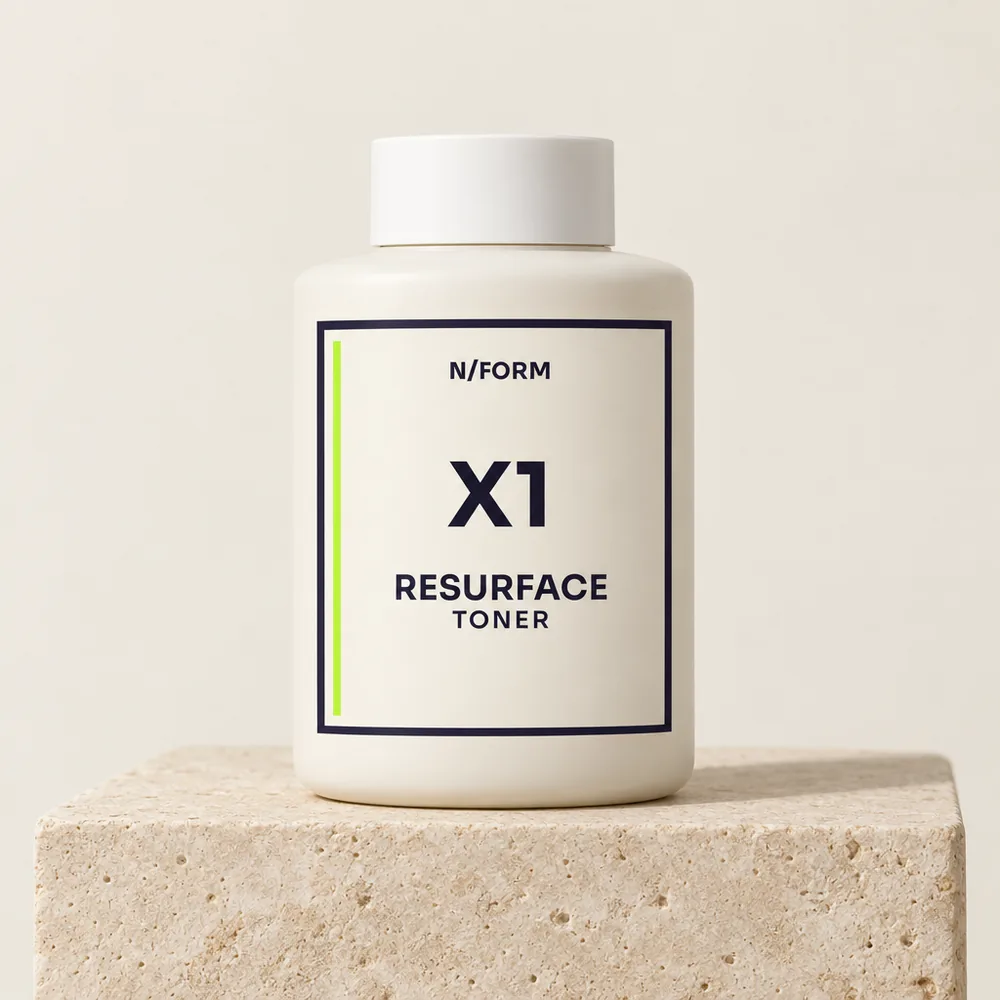
X1
Resurface Toner
5% Glycolic Acid Exfoliating Toner
Price: $32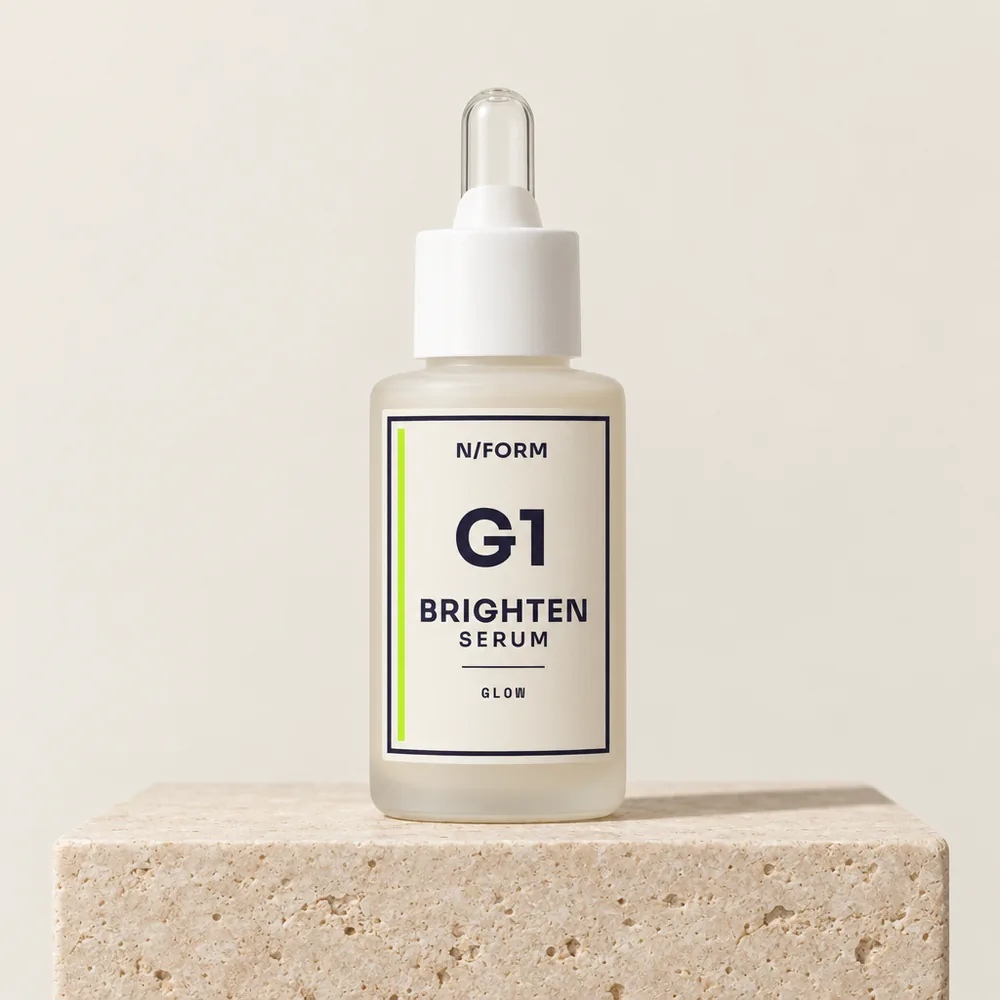
G1
Brighten Serum
2% Ascorbyl Glucoside + Ferulic Antioxidant Serum
Price: $42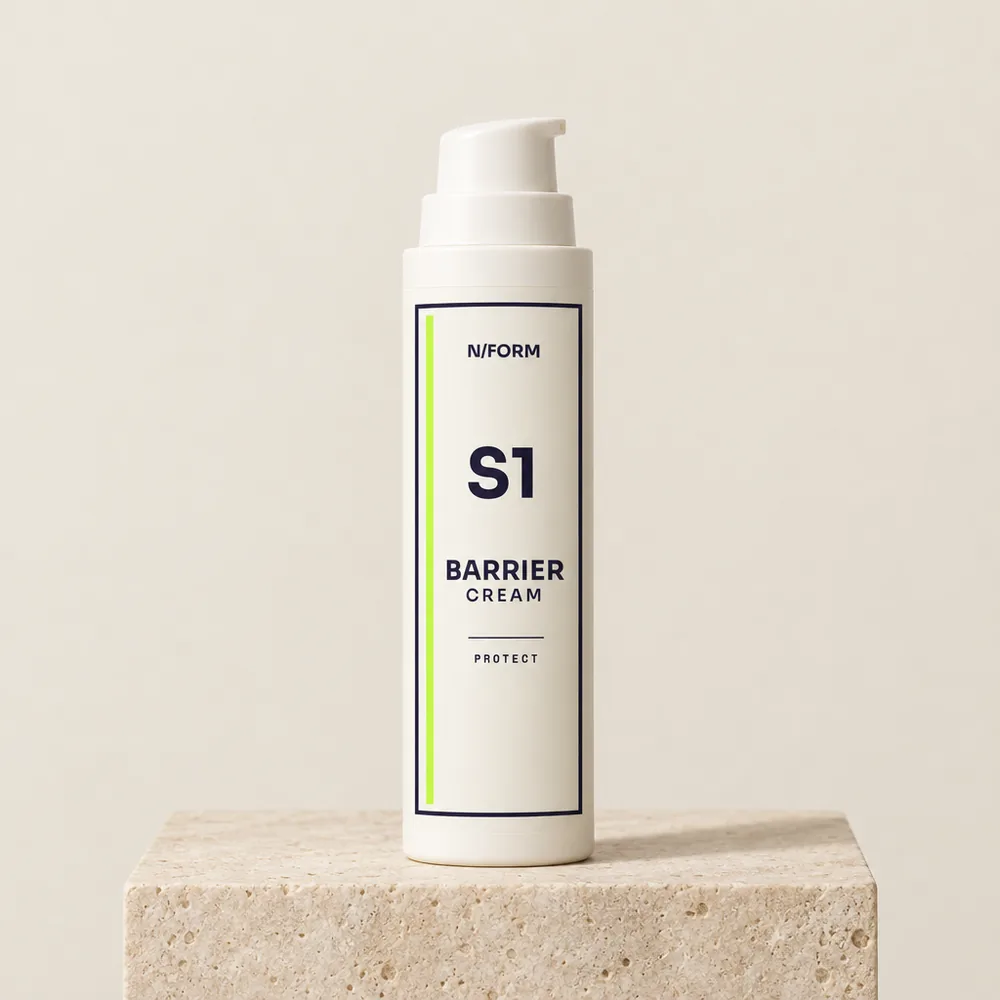
S1
Barrier Cream
Fragrance-Free Barrier Repair Moisturizer
Price: $42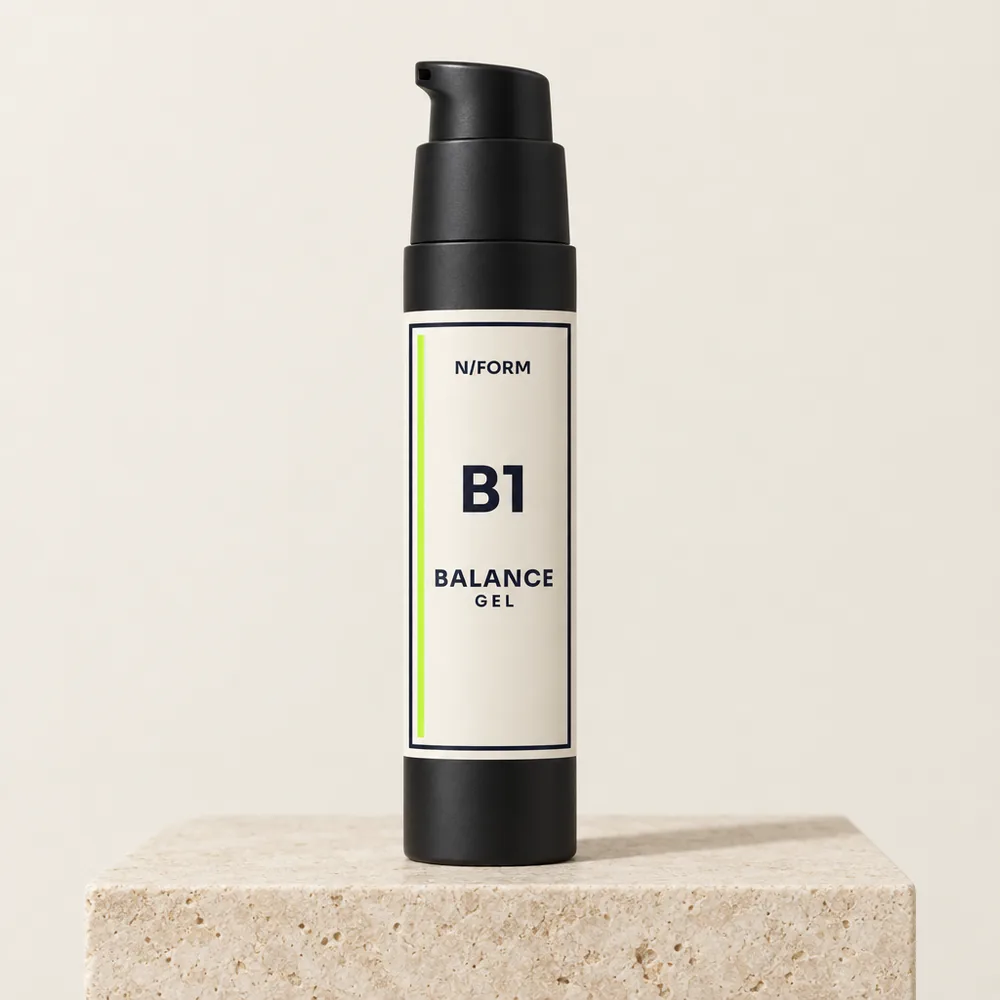
B1
Balance Gel
Oil-Free Sebum-Regulating Gel Moisturizer
Price: $42
Not sure which of these is your skin?
Seven questions about what your skin does, not what you own, and you get the three formulas that treat it. Sixty days to find out, full refund, keep the bottles.
Read next
Dull and uneven skinGuide
How Often Should You Exfoliate Your Face?
Two or three evenings a week with a 5% glycolic acid toner is the answer for most skin. Here it is by skin type, with the signs you have overdone it.
7 min read · 6 sources
Dull and uneven skinGuide
Can You Use Glycolic Acid and Vitamin C Together?
Yes. Vitamin C in the morning, glycolic acid on its two or three evenings, and they never meet. Why the pH worry is mostly about pure ascorbic acid.
6 min read · 6 sources
Dull and uneven skinGuide
How to Fade Acne Marks (Dark Spots and Red Marks After Breakouts)
Marks are flat pigment or redness left after a breakout; scars are texture. Stop the inflammation, wear sunscreen, then vitamin C and glycolic acid.
7 min read · 7 sources
Every skinGuide
How Long Does It Take for Skincare to Work?
Hydration shows in days, texture and tone in 8 to 12 weeks, pigment in 12 to 24, lines in 12 or more. Why the skin cycle sets that clock and when to give up.
7 min read · 10 sources