Dull and uneven skinGuide
Can You Use Glycolic Acid and Vitamin C Together?
Yes. Vitamin C in the morning, glycolic acid on its two or three evenings, and they never meet. Why the pH worry is mostly about pure ascorbic acid.
Published September 21, 2026 · 6 min read · 6 sources · By N/FORM
The short version
- Glycolic acid and vitamin C can be used in the same routine. The simplest way is to separate them by time of day, vitamin C in the morning and glycolic acid on its two or three evenings a week.
- The pH concern applies to pure L-ascorbic acid, which only penetrates skin at a pH below 3.5. A stable derivative such as ascorbyl glucoside does not depend on that acidity, so an acid toner does not switch it off.
- The real reason to separate them is irritation. Both an AHA and an acidic vitamin C can irritate, and irritation adds up when they are layered in one sitting.
- Niacinamide and vitamin C do not cancel each other. Nothing in the evidence we cite supports the old claim; the niacinamide review describes an ingredient that calms inflammation and strengthens the barrier.
Can you use glycolic acid and vitamin C together? Yes, and the simplest way is not to put them on at the same time. Vitamin C goes on in the morning, where it works as an antioxidant through the hours your skin is exposed. Glycolic acid goes on in the evening, two or three nights a week. They share a routine without ever sharing a layer, which sidesteps both of the reasons people worry about the pairing: the pH question, which mostly concerns pure L-ascorbic acid, and irritation, which is the one that actually matters.
Where the "do not mix" rule came from
The worry has a real origin. Pure vitamin C, L-ascorbic acid, is fussy. It only penetrates skin at a pH below 3.5, and its skin levels saturate at 20%; the acidity that makes it work is also what makes it sting1. A serum built around it is formulated very acidic on purpose, and anything you layer over or under it that shifts the pH can change how much of it gets in. Put an AHA toner, itself acidic, next to it and you have two low-pH products on skin that is now being asked to tolerate both.
From that came a rule of thumb, "never use vitamin C with acids", which has spread well past the case it was written for. It was written for pure ascorbic acid. Most of the vitamin C in modern serums is not that.
Why a stable derivative changes the answer
Ascorbyl glucoside is vitamin C bonded to a glucose molecule. The bond makes it stable in the bottle, and the skin's own enzymes cut it to release vitamin C after it has been absorbed. On human skin explants in the lab, 1.8% ascorbyl glucoside was converted back to vitamin C by the skin and protected against oxidative stress as well as 15% pure ascorbic acid, while staying stable in storage2. That was lab skin, not a clinical trial, but it answers the pH question: the derivative does not depend on a pH below 3.5 to get in, so an acid toner used hours earlier or later does not switch it off.
Brighten Serum carries 2% ascorbyl glucoside with 1% ferulic acid, which is why the answer for this pairing is a plain yes rather than a hedged one. The vitamin C page goes through what the glucoside trades for its stability.
Irritation is the real reason to separate them
Glycolic acid is an alpha hydroxy acid (AHA). It loosens the bonds between dead surface cells so they shed, and the same review that describes that also notes that AHAs raise sun sensitivity while in use3. Irritation from an AHA rises with its concentration and as its pH falls4. A 5% toner at a cosmetic pH is mild on its own. Layer an acidic vitamin C serum straight on top and you have asked the skin to accept two acids at once, on the same night, with no gap for the surface to settle.
The skin does not keep separate accounts. Irritation from one product adds to irritation from the next, and a routine that stings is a routine people stop. That, not chemistry, is the reason to give each one its own slot. Morning for vitamin C. Evening for glycolic acid, on the two or three nights a week it is used, with a moisturizer after and nothing else active. The guide on how often to exfoliate sets the frequency by skin type.
The routine, morning and evening
Morning. Cleanse or rinse. Vitamin C serum on dry skin; give it a minute. Moisturizer. Sunscreen, every day, because the AHA in the evening slot has made the skin more sun-sensitive3 and vitamin C is an antioxidant, not a sunscreen.
Evening, acid nights (two or three a week). Cleanse. Resurface Toner on dry skin; wait a minute. Moisturizer. No vitamin C, no retinoid, no scrub.
Evening, other nights. Cleanse, then a hydrating serum if you use one, then moisturizer. Some people put the vitamin C here as well; there is no harm in it, but the morning slot is where its antioxidant work counts.
If you use more than these, the guide to layering skincare covers the order.
What about ferulic acid
Ferulic acid is in the same serum as the vitamin C, and it is there as a partner, not a third thing to schedule. In pig skin, adding 0.5% ferulic acid to a solution of L-ascorbic acid and vitamin E doubled its photoprotection, from 4-fold to about 8-fold, and stabilized both vitamins5. That was pig skin with the pure acid and vitamin E, not with ascorbyl glucoside, so treat it as the rationale for the pairing rather than a result of this formula. Nothing about ferulic acid changes the morning-and-evening answer above.
What about niacinamide and vitamin C
The same generation of rules said niacinamide and vitamin C cancel each other out. That claim is not supported by anything in the evidence we cite. The review of topical niacinamide in our source bank describes an ingredient that strengthens the barrier by raising ceramide production, reduces water loss, calms inflammation and reduces the transfer of pigment to surface cells6. Nothing in it describes a conflict with vitamin C, and we do not claim more than the review does. In practice the two are commonly used in the same routine, and if you use both, the same principle applies as with the acid: if a combination stings, separate them by time of day and see whether the sting goes.
Questions people ask
Can you use glycolic acid and vitamin C together in one routine?
Yes. Vitamin C in the morning, glycolic acid on its evenings, and they never touch. The pH worry was written for pure L-ascorbic acid, which needs a pH below 3.5 to penetrate1; a derivative such as ascorbyl glucoside is converted to vitamin C by the skin itself and does not need that acidity2.
Should glycolic acid be used morning or night?
Night. AHAs raise sun sensitivity while in use3, so applying one in the morning puts freshly exposed skin under the sun. Two or three evenings a week is enough for most skin.
Should vitamin C be used in the morning?
Morning is the slot that makes the most of it, because it works as an antioxidant during the hours your skin is exposed. Evening use is fine if that is the only time you will remember, and it keeps the morning free for sunscreen.
What should you not mix with glycolic acid?
On the same night, avoid layering it with another exfoliant, a retinoid or an acidic vitamin C serum. The issue is not a chemical reaction; it is that AHA irritation rises with concentration and falling pH4, and irritants stack. Give the acid its own night and follow it with moisturizer.
Do niacinamide and vitamin C cancel each other out?
Not according to anything we can cite. The niacinamide review describes a barrier ingredient that calms inflammation and reduces pigment transfer, and says nothing about a conflict with vitamin C6. If a specific pairing stings on your skin, separate them by time of day rather than dropping either.
Sources
Every study cited above, with what it found and where it can be read. A study of an ingredient is not a study of one of our formulas, and we say which kind each one is.
- 1
Pinnell, Dermatologic Surgery, 2001
Laboratory study
Pure L-ascorbic acid only penetrates skin at a pH below 3.5, and skin levels saturate at 20%; the acidity that makes it work is also what makes it sting.
- 2
Jacques, International Journal of Cosmetic Science, 2021
Laboratory study
On human skin explants, 1.8% ascorbyl glucoside was converted back to vitamin C by the skin and protected against oxidative stress as well as 15% pure ascorbic acid, while staying stable in storage. Lab skin, not a clinical trial.
- 3
Kornhauser, Clinical, Cosmetic and Investigational Dermatology, 2010
Review
Review of hydroxy acids: AHAs such as glycolic acid loosen the bonds between dead surface cells, thin the compacted outer layer and thicken living epidermis; they also raise sun sensitivity while in use.
- 4
Tang and Yang, Molecules, 2018
Review
Review of alpha-hydroxy acids: at cosmetic strengths they exfoliate and improve texture and pigmentation, and their irritation potential rises with concentration and falling pH.
- 5
Lin, Journal of Investigative Dermatology, 2005
Laboratory study
Adding 0.5% ferulic acid to a vitamin C and E solution doubled its photoprotection, from 4-fold to about 8-fold, and stabilized both vitamins. Pig skin, not people.
- 6
Wohlrab and Kreft, Skin Pharmacology and Physiology, 2014
Review
Review of topical niacinamide: it strengthens the barrier by raising ceramide production, reduces water loss, calms inflammation and reduces the transfer of pigment to surface cells.
The formulas this guide points at
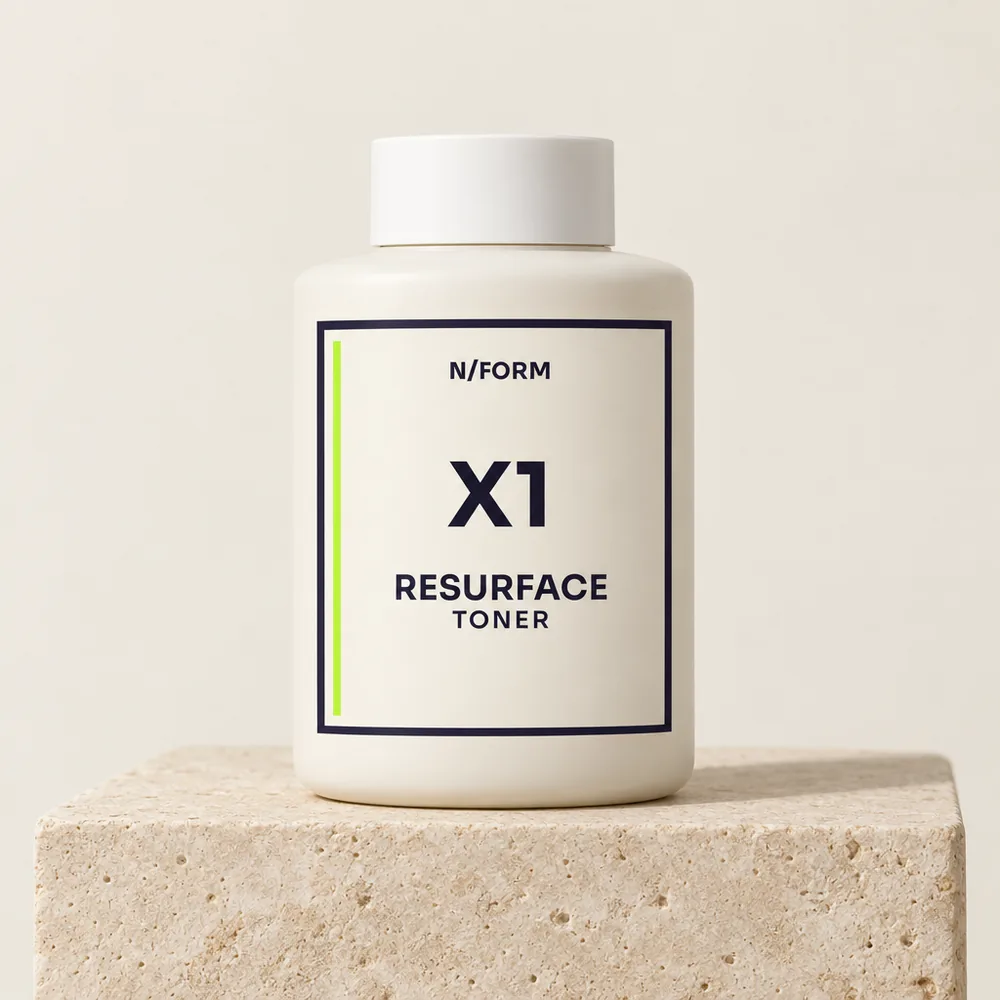
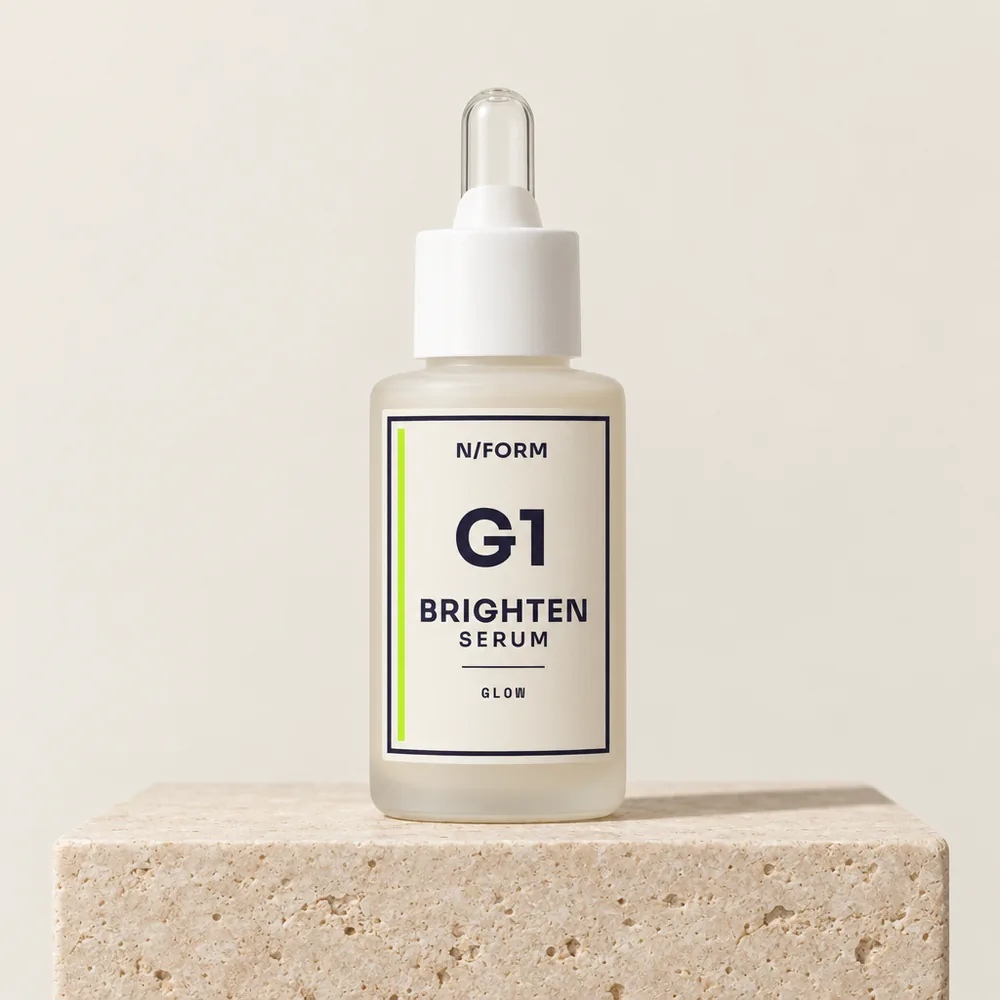
Not sure which of these is your skin?
Seven questions about what your skin does, not what you own, and you get the three formulas that treat it. Sixty days to find out, full refund, keep the bottles.
Read next
Dull and uneven skinRoutine guide
The Routine for Dull, Uneven Skin
Dull skin is dead cells scattering light, too little water and patchy pigment. The routine that fixes all three, from cleanser to sunscreen.
9 min read · 9 sources
Every skinGuide
How to Layer Skincare: The Order That Actually Matters
Thinnest to thickest, water before oil, actives on clean skin, moisturizer last and sunscreen over it by day. The order, the pairs to separate, and why.
7 min read · 7 sources
Dull and uneven skinGuide
How Often Should You Exfoliate Your Face?
Two or three evenings a week with a 5% glycolic acid toner is the answer for most skin. Here it is by skin type, with the signs you have overdone it.
7 min read · 6 sources
Dull and uneven skinIngredient
Vitamin C (Ascorbyl Glucoside) for Skin
Ascorbyl glucoside is vitamin C bonded to glucose so it stays stable and does not sting; skin converts it back. What it trades for that, and what trials found.
6 min read · 6 sources