Sensitive and reactive skinIngredient
Aloe Vera for Skin: What the Leaf Juice Does and What a Trial Measured
Aloe leaf juice is a humectant. In a trial it raised the water content of the outer skin without changing water loss, so it hydrates but does not seal.
Published September 21, 2026 · 5 min read · 3 sources · By N/FORM
- The evidence
- 1 clinical trial, 2 reviews
- In these formulas
- Quench Serum, Barrier Cream, Fragrance-Free Cleansing Fluid
The short version
- Aloe vera is a humectant, an ingredient that draws water into the outer layer of the skin, and that is what the trial evidence supports.
- In a two-week trial in 20 women, formulations with 0.10% to 0.50% freeze-dried aloe raised the water content of the outer skin against the same base without it, while water loss through the skin did not change.
- Because aloe does not lower water loss, it does not seal; on its own it hydrates for a while, and it needs a lipid or an occlusive on top to hold the water it puts in.
- The sunburn and soothing reputation is traditional use, and there is no trial in our source bank that measures it, so this page does not claim it.
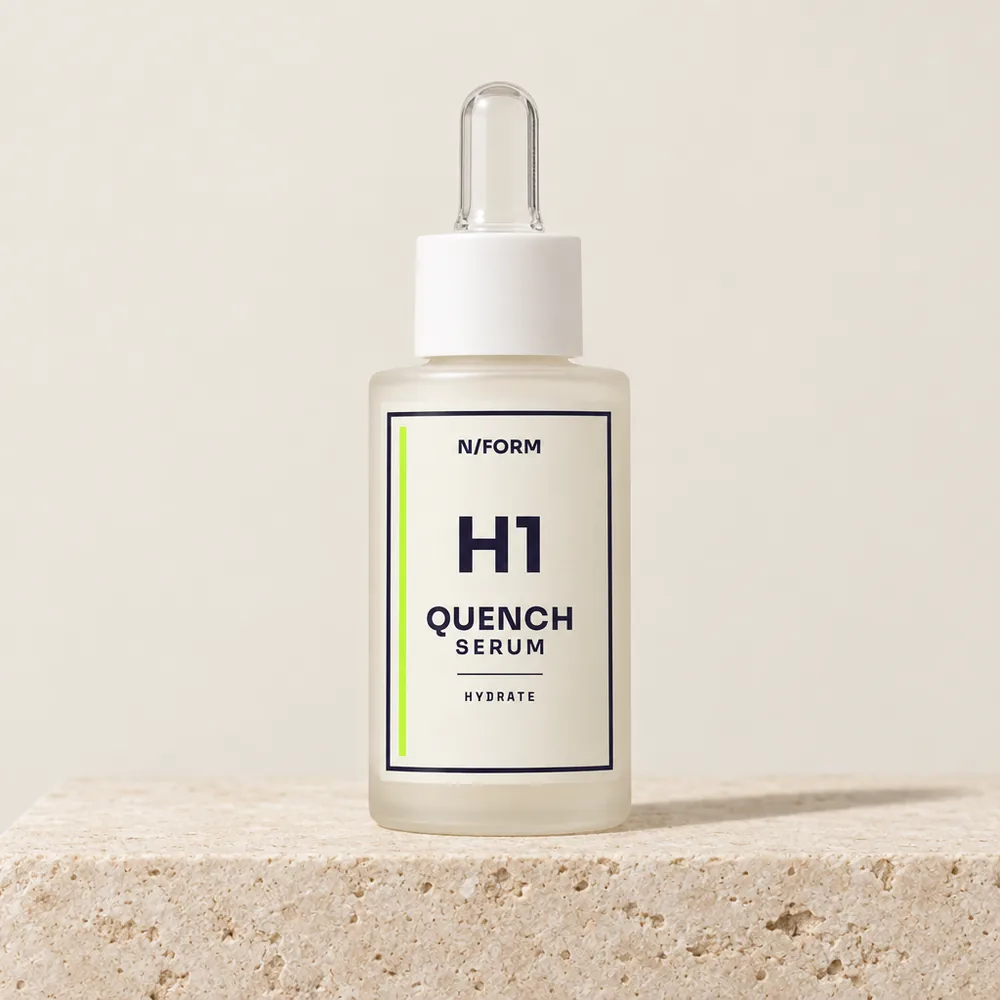
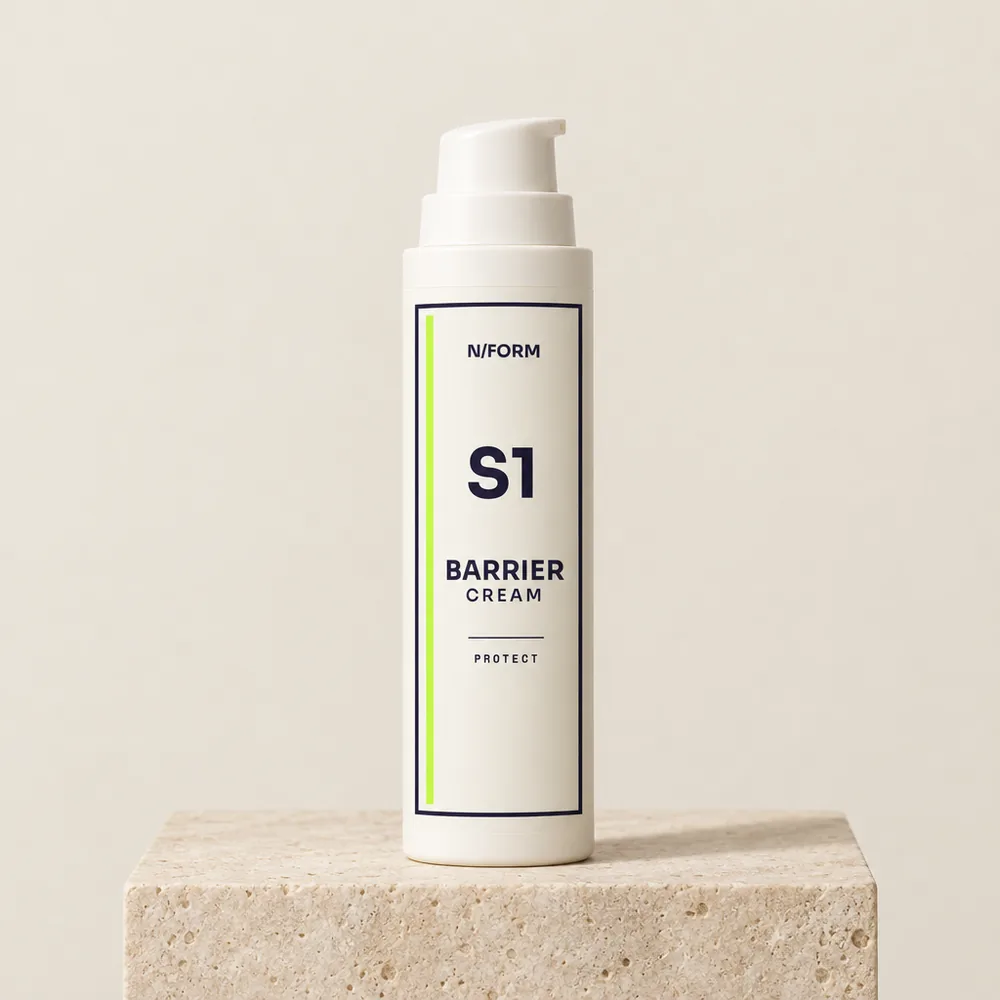
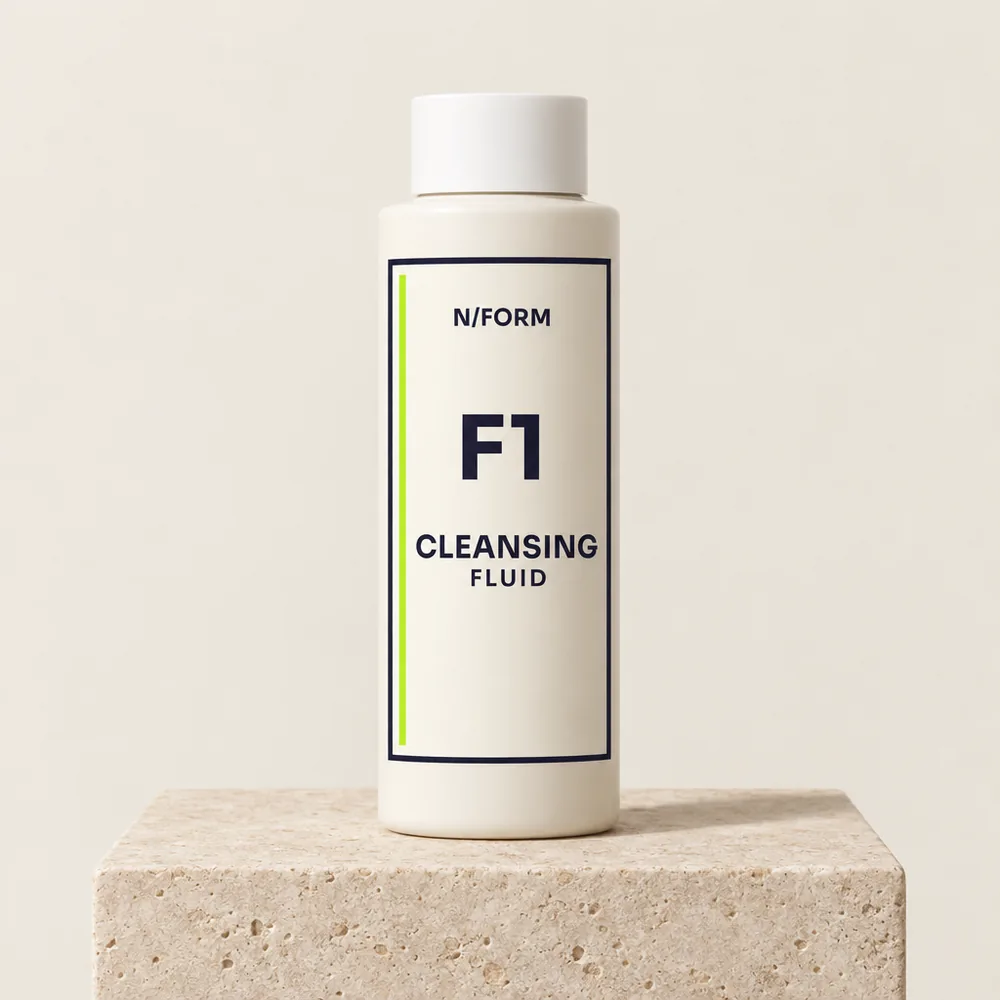
- Aloe leaf juice is the first ingredient in Barrier Cream, Quench Serum and Fragrance-Free Cleansing Fluid, in each case as the water phase of the formula rather than a declared-percentage active.
Aloe vera is the clear gel inside the leaf of Aloe barbadensis, sold in skincare as aloe leaf juice, and what it does for skin is simpler than its reputation: it is a humectant, an ingredient that draws water into the outer layer and holds it there. That is the whole case for aloe vera for face use. In a two-week trial in 20 women, formulations with 0.10% to 0.50% freeze-dried aloe raised the water content of the outer skin against the same base without it, while water loss through the skin did not change, so aloe works as a humectant rather than a seal1. It hydrates; it does not lock anything in; and the sunburn folklore is not something that evidence measures.
What it does
Dry skin is the outer layer of your skin (the stratum corneum) failing to hold water. The review evidence is that this happens when the natural moisturizing factors inside the dead surface cells run short and the lipids between them fall out of order, and that humectants and lipids together, not either one alone, restore it2. A humectant's job is the first half: it puts water back into those cells.
Aloe leaf juice is mostly water; the rest is sugars, notably long chains called polysaccharides, with small amounts of amino acids and minerals. Those are what bind water at the surface, the humectant action the trial measured1. Moisturizers work through three mechanisms: occlusives slow water leaving, humectants draw water into the outer layer, and emollients smooth the surface3. Aloe is a humectant, and only that.
What the trials found
The trial in our bank is small and specific. Twenty women used formulations containing freeze-dried aloe extract at 0.10% to 0.50% on the forearm for two weeks, against the same vehicle without aloe, and the aloe formulations raised the water content of the outer skin against that vehicle1. Transepidermal water loss, the rate at which water escapes through the surface, did not change1.
That second result is the useful one. Raising hydration without lowering water loss is putting water in without slowing it leaving, which is the definition of a humectant and the opposite of an occlusive3. Water drawn into the outer layer and not held there evaporates again, which is why aloe belongs under a moisturizer that carries a lipid, not in place of one.
What the trial did not measure: redness, sunburn, healing or itch. Aloe has long been used on burns and irritated skin, and this page says "traditionally used" and no more, because the bank has no trial of any of it.
How much, and in what
The trial used freeze-dried extract at 0.10% to 0.50%, a small amount of dried solids1. Fresh aloe leaf juice is mostly water, so a formula that lists aloe leaf juice as its first ingredient is using it as the water phase, not as a concentrated active.
Aloe leaf juice is the first ingredient in Barrier Cream, where it sits with sodium PCA and hyaluronic acid as the humectants and jojoba seed oil as the lipid, in a fragrance-free, COSMOS Organic base. It is also first in Quench Serum and in Fragrance-Free Cleansing Fluid. None of the three declares an aloe percentage, and this page does not invent one. Quench Serum contains parfum and declares the allergens limonene, geraniol, coumarin and linalool; Barrier Cream and the cleansing fluid are fragrance-free.
Who it suits, and who should go carefully
Aloe suits skin that is short of water: skin that feels tight after washing or drinks up moisturizer by noon. That is the skin the routine for dry and dehydrated skin is built for, and aloe is one of its humectants. It also suits reactive skin, because the leaf juice is fragrance-free and adds nothing that skin usually reacts to, which is why it is the base of the moisturizer and the cleanser in the routine for sensitive, reactive skin.
Go carefully with expectations. Aloe on its own is not a moisturizer, because it does not slow water leaving1. Skin that is short of lipid as well as water, the rough, flaky, matte kind, needs the lipid too, and a gel that is mostly aloe will feel good for an hour and tight again by the afternoon. And "100% aloe" gels from a pharmacy often carry alcohol or preservatives the front label does not make obvious; reactive skin should patch test them like anything else.
What it works with
Aloe pairs with the other humectants and with a lipid on top. Glycerin and hyaluronic acid do the same job by different routes; the glycerin and hyaluronic acid pages have the trials, which are larger and longer than aloe's. Over all of them goes the lipid, whether jojoba, a plant butter or a plain occlusive, because the review evidence is that humectants and lipids together are what restore a dry outer layer2.
The order matters: humectant on damp skin, then the lipid within a minute. Aloe applied to a dry face and left uncovered is water that evaporates.
Questions people ask
Is aloe vera good for your face?
As a humectant, yes. In a two-week trial in 20 women, formulations with 0.10% to 0.50% freeze-dried aloe raised the water content of the outer skin against the same base without it1. It is not a moisturizer on its own, because water loss through the skin did not change in that trial, so it needs a lipid or a cream over it to hold the water in.
How do I use aloe vera for face hydration?
On damp skin, under a moisturizer. Aloe draws water into the outer layer and does not slow it leaving1, so apply it or a formula that carries it right after cleansing, then a cream with a lipid within a minute. Left uncovered on a dry face, the water it pulls in evaporates again.
Does aloe vera help redness?
Aloe has been used on irritated and sunburned skin for a long time, and it is fragrance-free and unlikely to add to a reaction, but the trial in our bank measured hydration and water loss, not redness1. Treat the calming reputation as traditional use. For a calming ingredient with review evidence behind it, see niacinamide or centella.
Can I use aloe vera on dry skin?
Yes, as the water half of the answer. Dry skin has lost both its water-binding molecules and the order of its lipids, and the review evidence is that humectants and lipids together restore it2. Aloe supplies water; a moisturizer with a lipid supplies the rest.
Sources
Every study cited above, with what it found and where it can be read. A study of an ingredient is not a study of one of our formulas, and we say which kind each one is.
- 1
Dal'Belo, Skin Research and Technology, 2006
Clinical trial
20 women, two weeks: formulations with 0.10% to 0.50% freeze-dried aloe raised the water content of the outer skin against the same vehicle without it; water loss through the skin did not change, so aloe works as a humectant, not a seal.
- 2
Rawlings and Harding, Dermatologic Therapy, 2004
Review
Review of stratum corneum moisturization: dry skin is a failure of the outer layer to hold water, driven by lost natural moisturizing factors and disordered lipids, and humectants plus lipids together restore it.
- 3
Draelos, Journal of Cosmetic Dermatology, 2018
Review
Review of how moisturizers work: occlusives slow water loss, humectants draw water into the outer layer, and emollients smooth the surface; the effective products combine them.
The formulas this guide points at
Not sure which of these is your skin?
Seven questions about what your skin does, not what you own, and you get the three formulas that treat it. Sixty days to find out, full refund, keep the bottles.
Read next
Sensitive and reactive skinRoutine guide
The Routine for Sensitive, Reactive Skin
Four fragrance-free steps for skin that stings, flushes or flares at products, how to add a product without a reaction, and when to see a doctor.
9 min read · 12 sources
Every skinIngredient
Glycerin
The humectant with the hardest trial behind it. What glycerin does in the outer layer, the four-week barrier study, and why it is in cleansers and creams alike.
6 min read · 4 sources
Dry and dehydrated skinIngredient
Hyaluronic Acid
A humectant your skin makes that binds many times its weight in water. What it does in the outer layer, what the 60-day trial found, and which size matters.
6 min read · 4 sources
Dry and dehydrated skinRoutine guide
The Routine for Dry and Dehydrated Skin
Three steps, morning and night, for skin that feels tight, flakes or drinks up moisturizer by noon. What each step does to the outer layer and how long it takes
9 min read · 9 sources