Every skinIngredient
Glycerin
The humectant with the hardest trial behind it. What glycerin does in the outer layer, the four-week barrier study, and why it is in cleansers and creams alike.
Published September 21, 2026 · 6 min read · 4 sources · By N/FORM
- The evidence
- 1 clinical trial, 2 reviews, 1 guidance document
- In these formulas
- Reset Cleanser, Quench Serum, Eye Reset Patches
The short version
- Glycerin is a small humectant molecule that draws water into the outer layer of the skin and holds it in the dead cells there, which is why it appears in most moisturizers, serums and cleansers.
- In a four-week double-blind trial, a 20% glycerol cream improved stratum corneum hydration and restored barrier function in 24 people with atopic dermatitis, against the same cream without glycerol.
- Glycerin is not a moisturizer on its own; it supplies water, and the lipids and occlusives in a cream keep that water in.
- Glycerin and hyaluronic acid are both humectants, and a formula that carries both is normal; glycerin is smaller, cheaper and has the barrier-repair trial, hyaluronic acid has the hydration and fine-line trial.
Glycerin (also written glycerol) is a small, clear, water-loving molecule that occurs naturally in skin and in most plant and animal fats. In skincare it is a humectant: it draws water into the outer layer of your skin and holds it in the dead cells there, which keeps the layer flexible and comfortable instead of tight and flaky. Glycerin for skin is one of the few ingredient questions with a plain answer: it is good for nearly every face, it has a double-blind barrier trial behind it, and it is in most well-made products because it works and costs little.
What it does
A moisturizer works through three kinds of ingredient. Humectants draw water into the outer layer, occlusives slow that water leaving, and emollients smooth the surface; the effective products combine all three1. Glycerin is the workhorse humectant of the three, because it is small enough to get into the outer layer (the stratum corneum) and hold water between and inside the dead cells.
That matters because of what dry skin is. The outer layer holds water with a mix of small molecules called natural moisturizing factors, set in a mortar of lipids that slows the water from leaving; dry skin is that layer failing to hold water, driven by lost natural moisturizing factors and disordered lipids, and humectants plus lipids together restore it2. Glycerin stands in for the natural moisturizing factors that have run short. It does not put the lipids back, which is why it is almost always paired with something that does.
What the trials found
The trial worth knowing is a hard one, because it was done on damaged skin. 24 people with atopic dermatitis used a 20% glycerol cream for four weeks, double-blind, against the same cream without glycerol, and the glycerol cream improved stratum corneum hydration and restored barrier function3. Two things stand out. The comparison was the same cream with the humectant removed, so the result is glycerin's, not the cream's. And the outcome was barrier function, measured, not just how the skin felt. That is a stronger claim than most humectants can make.
The strength in that trial, 20%, is far above what a cosmetic serum or cleanser carries; it is the concentration at which the effect was measured on dermatitis, not a target for a daily face cream. What the trial supports is glycerin as a humectant that improves hydration and barrier function in the outer layer, at a concentration a formulator chooses to fit the product.
How much, and in what
Glycerin sits in nearly every category of product, and in each one it does a slightly different job. In a cleanser, it offsets what the surfactants take: a wash that carries glycerin leaves the outer layer with more water than one that does not, which is part of why a good cleanser does not leave the face tight. In a serum, it works alongside hyaluronic acid as the second humectant. In a cream, it is the humectant half of the humectant-plus-lipid pair. No N/FORM formula declares a percentage for it, so none is stated here.
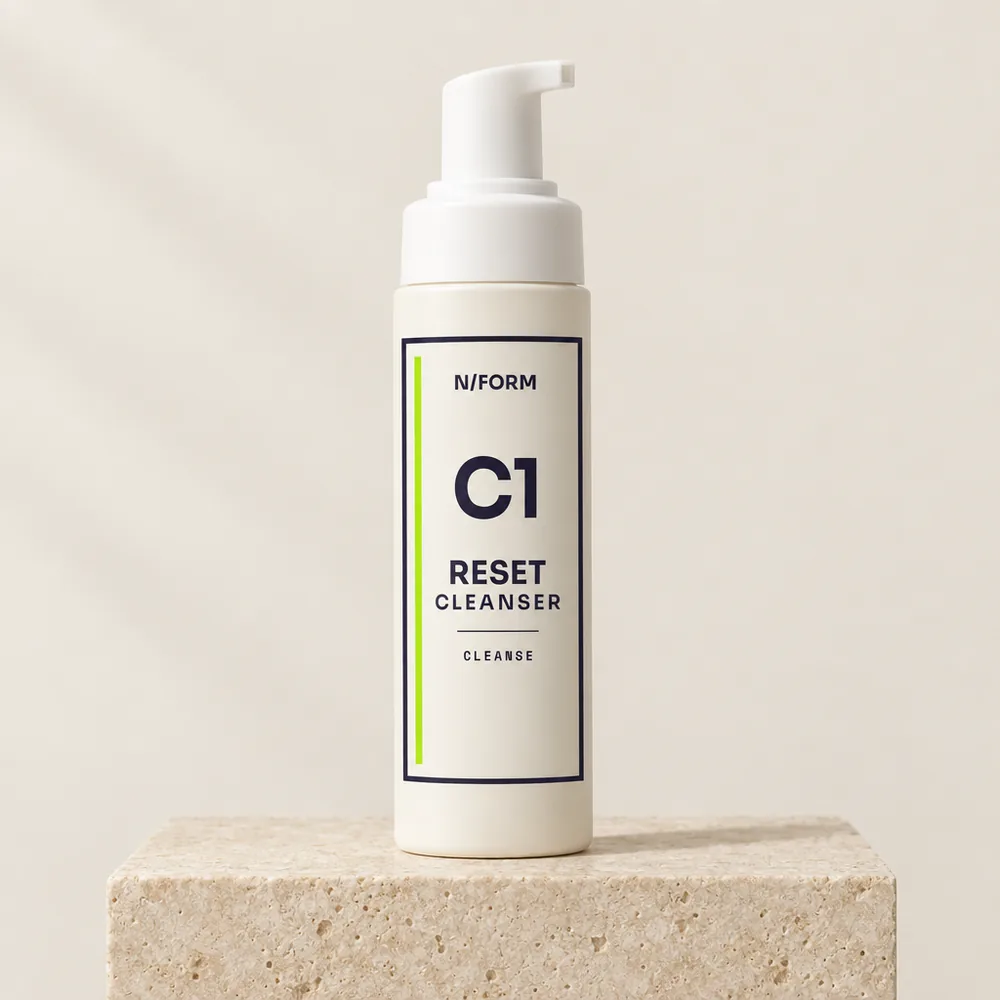
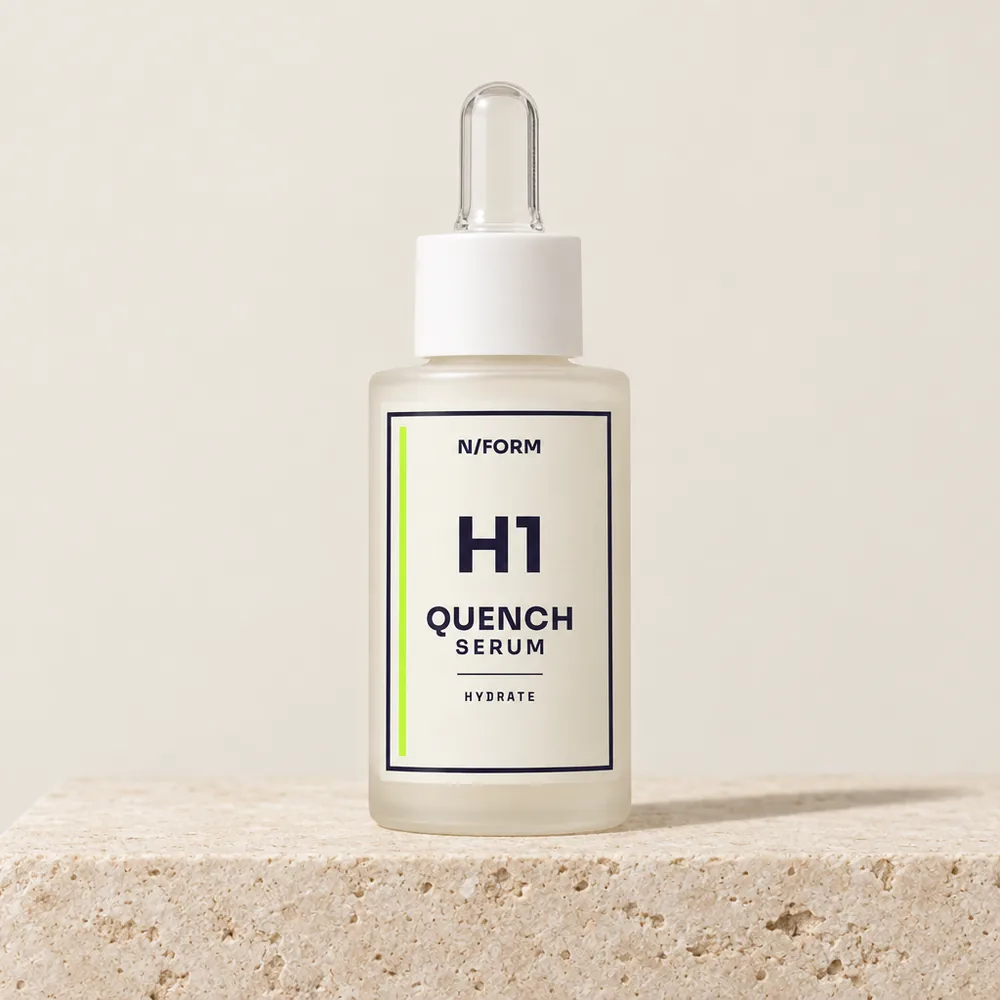
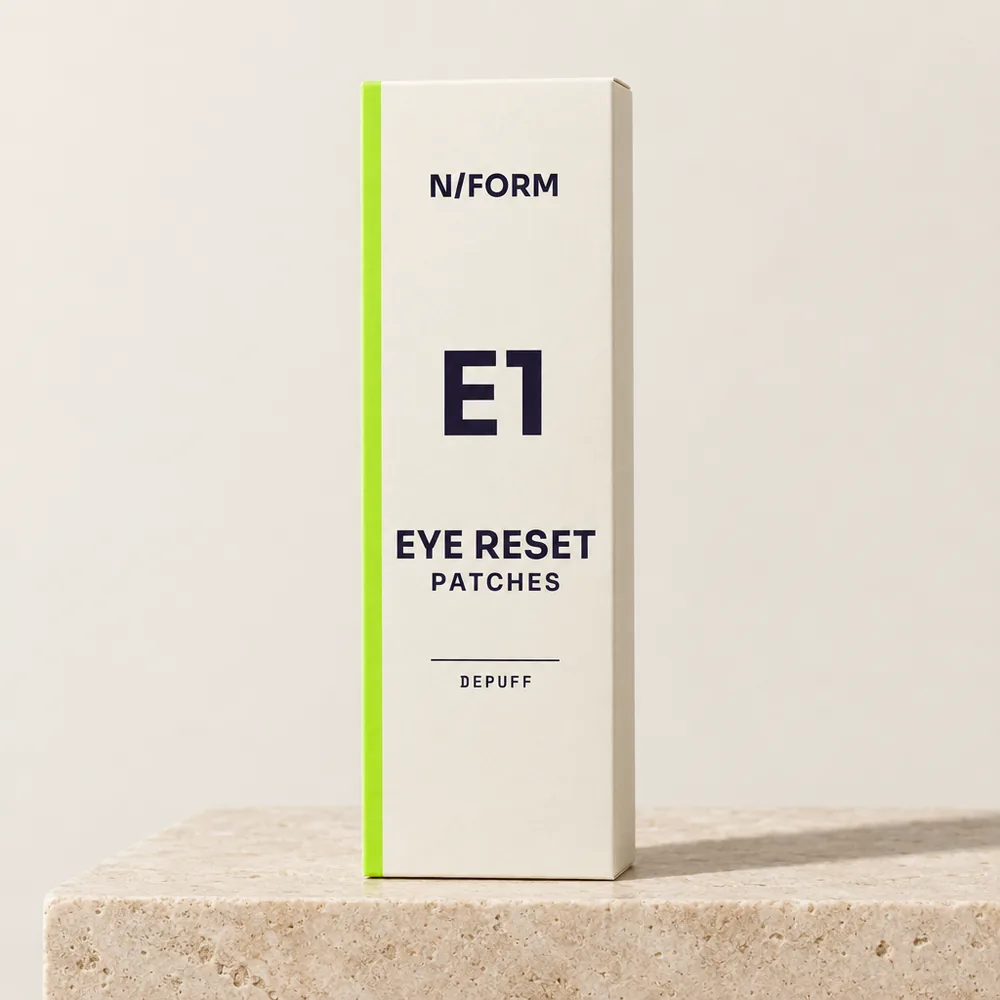
In the range, Reset Cleanser carries glycerin with rose flower water and the sulfate-free surfactants cocamidopropyl betaine and sucrose cocoate, so the humectant goes on in the same step that the wash takes water away. It contains fragrance, so it is not the cleanser for anyone avoiding parfum. Quench Serum carries glycerin under its two weights of hyaluronic acid, with bisabolol and cloudberry; it also contains fragrance and declares the allergens limonene, geraniol, coumarin and linalool. Eye Reset Patches carry glycerin with caffeine, vitamin C and panthenol in a hydrogel worn under the eyes for fifteen minutes; the patches are not fragrance free.
Who it suits, and who should go carefully
Glycerin suits every skin type, including sensitive skin, and it fits the routine that dermatology guidance describes for dry skin. The American Academy of Dermatology's advice is a gentle fragrance-free cleanser, short warm washes, moisturizer applied within minutes of washing to trap water, and avoiding alcohol-heavy and fragranced products4. A humectant applied to damp skin and sealed within a minute is that advice in practice.
The one care point is the same as for any humectant. Glycerin draws water from the nearest source. On damp skin with a moisturizer over it, that source is the surface water and the result is a hydrated outer layer. On a dry face in dry air with nothing on top, the water it binds at the surface is free to evaporate, and the face can feel tighter, not softer. That is reasoning from the mechanism rather than a trial result, and the answer is the routine order: damp skin, humectant, then a cream within a minute. Skin that feels tight straight after washing is a cleanser problem before it is a humectant problem; why skin feels tight after washing explains what a harsh surfactant takes.
What it works with
Lipids and occlusives, first. Glycerin supplies the water and a moisturizer's oils, butters and waxes keep it, which is the humectant-plus-lipid pairing that the review evidence points at for restoring dry skin2. A glycerin serum under a jojoba or plant-oil cream is that pairing in two steps; a cream that carries both is it in one.
Hyaluronic acid, second. Glycerin vs hyaluronic acid is a false choice: both are humectants, they hold water in different ways, and most well-built formulas carry both. Glycerin is the smaller molecule and has the barrier-repair trial; hyaluronic acid has the 60-day hydration and fine-line trial and the choice of molecular weights. The hyaluronic acid page has that evidence.
Every active, third. Glycerin has no known conflict with retinoids, exfoliating acids, vitamin C or niacinamide, and it is often the ingredient in those formulas that makes them tolerable. The full three-step routine that puts glycerin and hyaluronic acid on damp skin and seals them is in the routine for dry and dehydrated skin.
Questions people ask
Is glycerin good for your face?
Yes, for nearly every face. It is a humectant that draws water into the outer layer and holds it there, and in a four-week double-blind trial a 20% glycerol cream improved outer-layer hydration and restored barrier function in people with atopic dermatitis3. Use it on damp skin and put a moisturizer over it.
What is a humectant?
An ingredient that attracts water and holds it. In a moisturizer, humectants draw water into the outer layer, occlusives slow it leaving and emollients smooth the surface, and the effective products combine all three1. Glycerin and hyaluronic acid are the two most common humectants in skincare.
Glycerin vs hyaluronic acid: which is better?
Neither, and you rarely have to choose; most formulas carry both. Glycerin is small, inexpensive and has a trial showing improved barrier function on damaged skin3. Hyaluronic acid has a hydration and fine-line trial and comes in molecular weights that act at different depths. Together they cover the outer layer's water from the surface down.
Is glycerin good for dry skin?
Yes, but it does half the job. Dry skin is short of the natural moisturizing factors that hold water and the lipids that keep it in; glycerin replaces the first, and the cream it sits in has to supply the second2. Apply it to damp skin and seal it within a minute, as the AAD's advice to moisturize within minutes of washing describes4.
Can glycerin clog pores or cause breakouts?
Glycerin is water-soluble and carries no oil, so it is not the ingredient in a formula that congests pores. If a glycerin-containing cream breaks you out, look at the oils, butters and waxes in the same formula, which are the ingredients that can sit in a pore.
Sources
Every study cited above, with what it found and where it can be read. A study of an ingredient is not a study of one of our formulas, and we say which kind each one is.
- 1
Draelos, Journal of Cosmetic Dermatology, 2018
Review
Review of how moisturizers work: occlusives slow water loss, humectants draw water into the outer layer, and emollients smooth the surface; the effective products combine them.
- 2
Rawlings and Harding, Dermatologic Therapy, 2004
Review
Review of stratum corneum moisturization: dry skin is a failure of the outer layer to hold water, driven by lost natural moisturizing factors and disordered lipids, and humectants plus lipids together restore it.
- 3
Breternitz, Skin Pharmacology and Physiology, 2008
Clinical trial
24 people with atopic dermatitis, four weeks, double-blind: a 20% glycerol cream improved stratum corneum hydration and restored barrier function against the same cream without glycerol.
- 4
American Academy of Dermatology, dry skin tips
Guidance
AAD guidance for dry skin: short warm (not hot) washes, a gentle fragrance-free cleanser, moisturizer applied within minutes of washing to trap water, and avoiding alcohol-heavy and fragranced products.
The formulas this guide points at
Not sure which of these is your skin?
Seven questions about what your skin does, not what you own, and you get the three formulas that treat it. Sixty days to find out, full refund, keep the bottles.
Read next
Dry and dehydrated skinIngredient
Hyaluronic Acid
A humectant your skin makes that binds many times its weight in water. What it does in the outer layer, what the 60-day trial found, and which size matters.
6 min read · 4 sources
Dry and dehydrated skinGuide
Why Your Skin Feels Tight After Washing (and How to Make It Stop)
That pulled, squeaky feeling thirty seconds after you rinse is your cleanser taking more than dirt. What it took, why moisturizer only patches it, and the fix.
6 min read · 6 sources
Dry and dehydrated skinRoutine guide
The Routine for Dry and Dehydrated Skin
Three steps, morning and night, for skin that feels tight, flakes or drinks up moisturizer by noon. What each step does to the outer layer and how long it takes
9 min read · 9 sources