Dry and dehydrated skinIngredient
Hyaluronic Acid
A humectant your skin makes that binds many times its weight in water. What it does in the outer layer, what the 60-day trial found, and which size matters.
Published September 21, 2026 · 6 min read · 4 sources · By N/FORM
- The evidence
- 1 clinical trial, 3 reviews
- In these formulas
- Quench Serum, Hydrate Toner, Barrier Cream, Balance Gel, Brighten Serum
The short version
- Hyaluronic acid is a humectant that binds many times its own weight in water; applied to skin it draws water into the outer layer and holds it there.
- In a 60-day trial, 76 women applied 0.1% hyaluronic acid twice daily, and the low molecular weight form raised skin hydration by up to 96% and reduced wrinkle depth by up to 40%.
- Molecular size decides where it acts: large hyaluronic acid films the surface, smaller fragments reach deeper into the outer layer.
- Sodium hyaluronate is the salt of hyaluronic acid and does the same job; the name on the label tells you the form, not the quality.
- Hyaluronic acid is not a moisturizer on its own; it supplies the water and needs occlusives and emollients over it to keep that water in.
Hyaluronic acid is a long sugar molecule (a glycosaminoglycan) that your skin makes itself, mostly in the dermis, where it holds water in the tissue and gives skin its plumpness. In skincare it is used as a humectant, an ingredient that draws water into the outer layer of your skin and holds it there. The hyaluronic acid serum benefits with evidence behind them are narrow and real: more water in the outer layer, a smoother surface, and shallower fine lines while the skin stays hydrated.
What it does
Hyaluronic acid binds many times its own weight in water. Skin's own content of it falls with age, and its molecular size decides where it acts, with smaller fragments reaching deeper than large ones1. Applied to the surface, it does not top up the dermis; it works in the outer layer (the stratum corneum), the stack of dead cells that decides whether skin feels tight or comfortable. Water drawn into those cells makes them flexible and flat instead of stiff and lifted, which is what a hydrated face looks like from the outside.
That is one of three things a moisturizer does. Humectants draw water into the outer layer, occlusives slow it leaving, and emollients smooth the surface; the effective products combine them2. Hyaluronic acid is a humectant only. The water it draws in is still free to evaporate unless something on top slows it, which is why hyaluronic acid vs moisturizer is the wrong contest: the serum supplies the water and the moisturizer keeps it. How to use a hyaluronic acid serum covers the damp-skin, then-seal order that follows from this.
What the trials found
The trial most claims rest on is a 60-day study of topical hyaluronic acid. 76 women applied 0.1% hyaluronic acid twice daily for 60 days, and the low molecular weight form reduced wrinkle depth by up to 40% and raised skin hydration by up to 96%3. Three things stand out: 0.1% is a low concentration, the schedule was twice a day for two months, and the best numbers came from the low molecular weight form, which fits the mechanism1.
The wider picture is more sober. A review of the evidence behind common cosmeceutical ingredients found that the quality of evidence varies widely and that concentration and formulation decide whether an ingredient does anything4. Hyaluronic acid has better trial evidence than most humectants, and it is still evidence about hydration and the fine lines hydration smooths, not about collagen, firmness or anything in the dermis.
How much, and in what
The trial strength is 0.1%3. Serums on the market range from a fraction of that to a few percent, and more is not better: at high concentrations hyaluronic acid makes a thick, tacky film and pills under moisturizer. The form matters more than the number. A formula that carries a low molecular weight fraction as well as the standard one covers both the surface film and the deeper outer layer.
On a label, the ingredient appears under two names. Sodium hyaluronate is the sodium salt of hyaluronic acid: the same molecule with a sodium ion attached, more stable in water, and the form most formulas use. Hydrolyzed hyaluronic acid is hyaluronic acid that has been broken into shorter chains, meaning a lower molecular weight. Sodium hyaluronate vs hyaluronic acid is not a quality difference; it tells you the form, and hydrolyzed tells you the size.
In the N/FORM range, Quench Serum is the formula built around it. It lists both hydrolyzed hyaluronic acid and sodium hyaluronate, so it carries two molecular weights, with bisabolol and cloudberry fruit extract alongside. No percentage is declared for it, so none is stated here. Hydrate Toner carries hyaluronic acid with sodium PCA in a twelve-ingredient, fragrance-free toner for the damp-skin step before a serum or cream. Barrier Cream, the fragrance-free moisturizer, carries it with aloe, jojoba and sodium PCA, so the humectant and the lipid arrive in one step. Balance Gel carries it with zinc PCA in an oil-free gel for normal to oily skin. Brighten Serum carries it alongside 2% ascorbyl glucoside and 1% ferulic acid. The hyaluronic acid in every formula is named without a percentage.
Who it suits, and who should go carefully
Hyaluronic acid suits every skin type, because water is the one thing no skin has too much of. Dehydrated skin, which is short of water and may still be oily, gets the most visible change; dry skin, which is short of oil as well, gets the water and still needs a lipid-rich cream over it. Dry versus dehydrated skin sorts out which you have.
The care points are about the formula, not the ingredient. Quench Serum contains fragrance and declares the allergens limonene, geraniol, coumarin and linalool, so skin that reacts to fragrance should take its hyaluronic acid from Hydrate Toner and Barrier Cream, both fragrance-free. Balance Gel is for normal, oily and combination skin, contains fragrance and declared allergens, and is not the choice for sensitive or allergy-prone skin. The other caution is application: on a dry face in dry air with nothing on top, a humectant can leave skin feeling tighter, because the water it binds at the surface evaporates. Damp skin and a moisturizer within a minute avoid that.
What it works with
Everything. Hyaluronic acid has no known conflict with the actives people worry about, so it layers under retinoids, exfoliating acids and vitamin C. Its job in those routines is to keep the outer layer hydrated while the active does its work, which is what makes the active easier to tolerate.
Its closest partner is glycerin, the other humectant with a hard trial behind it, and most well-built formulas carry both; the glycerin page has that evidence. Under it, hyaluronic acid needs the occlusives and emollients of a moisturizer, because a humectant alone supplies water without keeping it2.
Questions people ask
What does hyaluronic acid do for skin?
It draws water into the outer layer and holds it there. It binds many times its own weight in water, and its molecular size decides how deep into the outer layer it acts1. Skin with more water in its outer cells feels less tight, looks smoother, and shows shallower fine lines while it stays hydrated.
Is low molecular weight hyaluronic acid better?
For hydration below the very surface, yes. Smaller fragments reach deeper than large ones1, and in the 60-day trial of 0.1% hyaluronic acid the low molecular weight form gave the best result, up to 96% higher hydration and up to 40% shallower wrinkles3. The large form still earns its place for the immediate surface film. A formula with both covers both.
Is hyaluronic acid a moisturizer?
Not on its own. It is a humectant, one of the three ingredient types a moisturizer combines; the occlusives and emollients that slow water loss and smooth the surface have to come from something else2. A hyaluronic acid serum goes under a moisturizer, not instead of one.
Sodium hyaluronate vs hyaluronic acid: which is better?
Neither. Sodium hyaluronate is the salt form of the same molecule, more stable in a water-based formula, and is what most products use. The difference that matters is molecular weight, which the label shows as hydrolyzed hyaluronic acid for the smaller form.
Can hyaluronic acid dry out skin?
It can feel that way if it goes on a dry face with nothing over it in dry air, because a humectant draws water from the nearest source and, unsealed, that water evaporates. That is reasoning from the mechanism, not a trial finding. On damp skin, with a moisturizer within a minute, it does what the trial measured: more water in the outer layer3.
Sources
Every study cited above, with what it found and where it can be read. A study of an ingredient is not a study of one of our formulas, and we say which kind each one is.
- 1
Papakonstantinou, Dermato-Endocrinology, 2012
Review
Review: hyaluronic acid binds many times its weight in water, its skin content falls with age, and its molecular size decides where it acts, with smaller fragments reaching deeper than large ones.
- 2
Draelos, Journal of Cosmetic Dermatology, 2018
Review
Review of how moisturizers work: occlusives slow water loss, humectants draw water into the outer layer, and emollients smooth the surface; the effective products combine them.
- 3
Pavicic, Journal of Drugs in Dermatology, 2011
Clinical trial
76 women applied 0.1% hyaluronic acid twice daily for 60 days; low molecular weight hyaluronic acid reduced wrinkle depth by up to 40% and raised skin hydration by up to 96%.
- 4
Levin and Momin, Journal of Clinical and Aesthetic Dermatology, 2010
Review
Review of the evidence behind common cosmeceutical ingredients (retinol, vitamin C, niacinamide, hydroxy acids, peptides): the evidence quality varies widely and concentration and formulation decide whether an ingredient does anything.
The formulas this guide points at
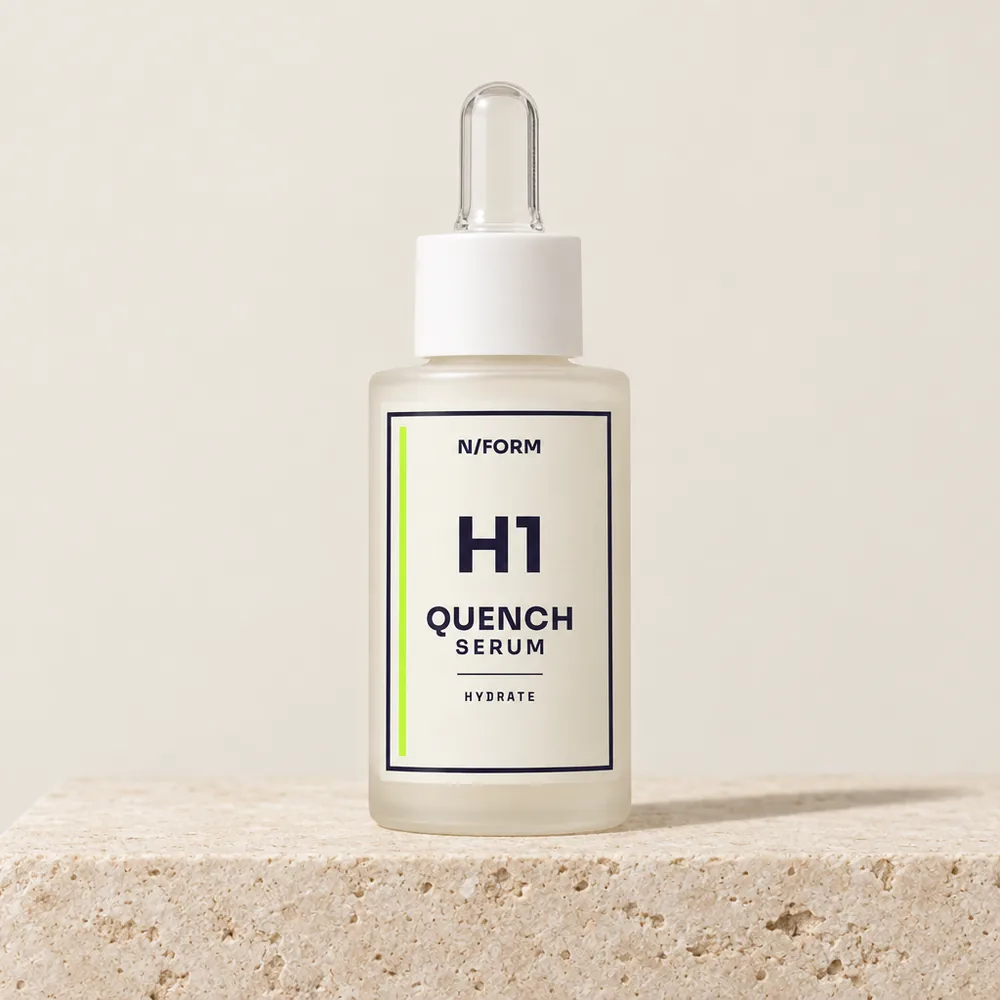
H1
Quench Serum
Dual-Weight Hyaluronic Acid Plumping Serum
Price: $42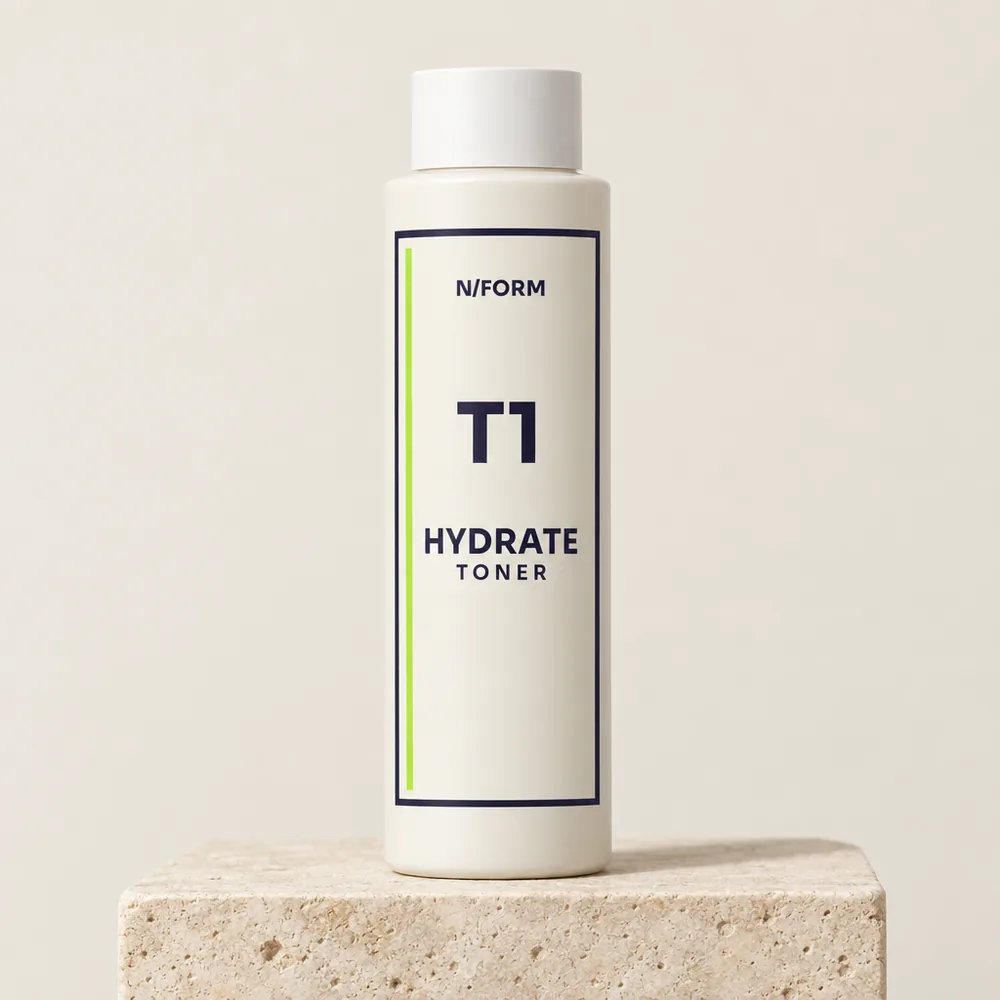
T1
Hydrate Toner
12-Ingredient Hyaluronic Acid Hydrating Toner
Price: $32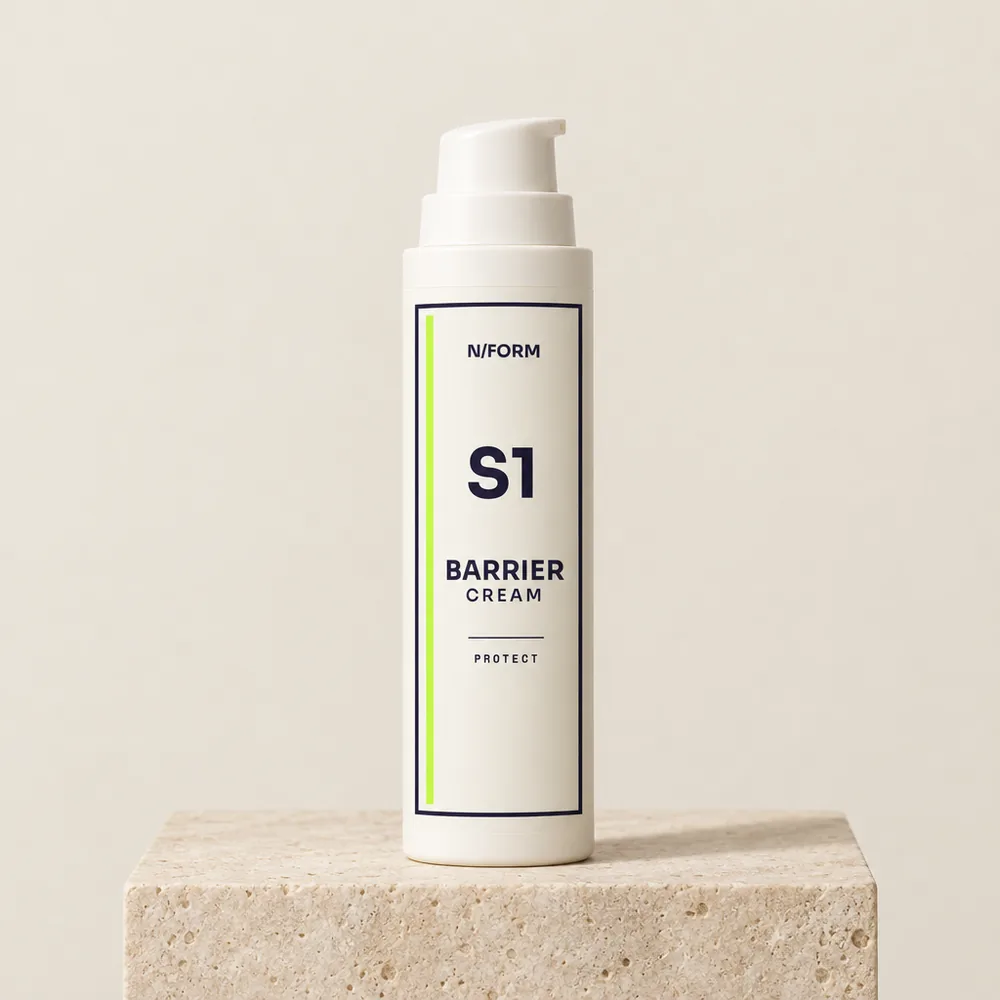
S1
Barrier Cream
Fragrance-Free Barrier Repair Moisturizer
Price: $42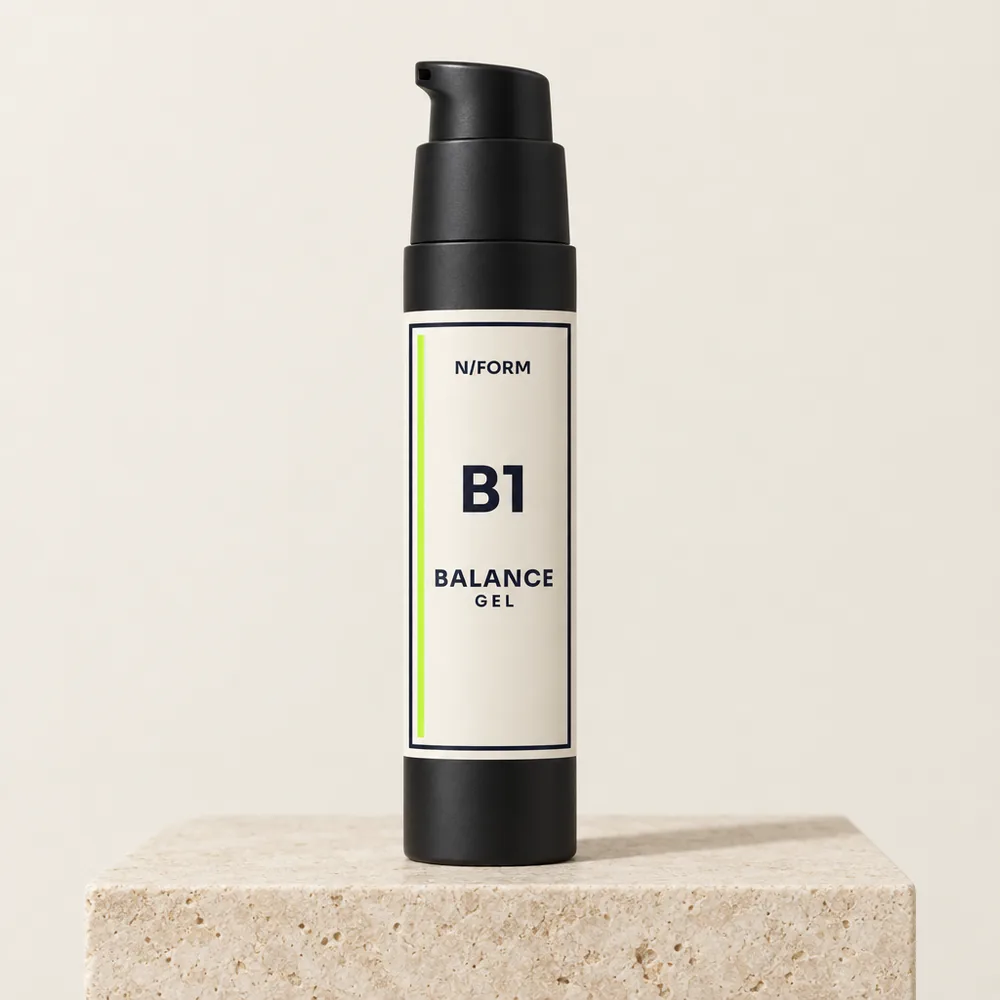
B1
Balance Gel
Oil-Free Sebum-Regulating Gel Moisturizer
Price: $42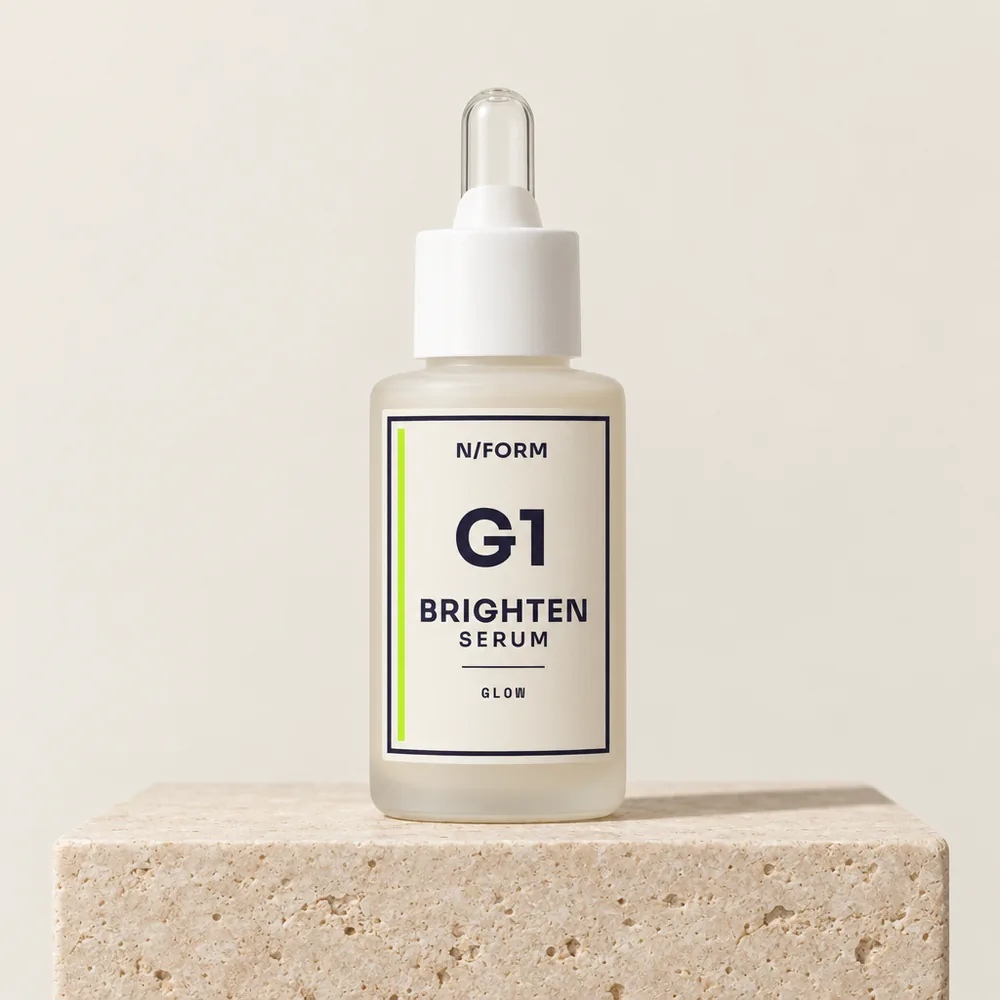
G1
Brighten Serum
2% Ascorbyl Glucoside + Ferulic Antioxidant Serum
Price: $42
Not sure which of these is your skin?
Seven questions about what your skin does, not what you own, and you get the three formulas that treat it. Sixty days to find out, full refund, keep the bottles.
Read next
Dry and dehydrated skinGuide
How to Use Hyaluronic Acid Serum So It Actually Hydrates
On damp skin, before moisturizer, sealed within a minute, morning and night. Why each of those matters, what molecular weight changes, and when it can backfire.
7 min read · 5 sources
Dry and dehydrated skinGuide
Dehydrated Skin vs Dry Skin, and How to Tell Which You Have
Dry skin is short of oil. Dehydrated skin is short of water, and can be oily at the same time. The signs that separate them, a sink test, and what each needs.
7 min read · 6 sources
Every skinIngredient
Glycerin
The humectant with the hardest trial behind it. What glycerin does in the outer layer, the four-week barrier study, and why it is in cleansers and creams alike.
6 min read · 4 sources