Lines and firmnessRoutine guide
The Routine for Fine Lines and Lost Firmness
The anti aging routine that works in your 30s and 40s is short: daily sunscreen, a retinoid-pathway active at night, water for the outer layer, and months.
Published September 21, 2026 · 9 min read · 11 sources · By N/FORM
The short version
- Daily sunscreen is the single biggest lever against lines. In a 4.5-year randomized trial of 903 adults, daily users showed no detectable increase in skin aging while the discretionary-use group aged 24% more.
- The second lever is an active that works through the retinoid pathway at night. Retinol and prescription retinoids have the most evidence and the most irritation; bakuchiol matched retinol in one 12-week trial with less scaling; Bidens pilosa acts on the same receptors in cell culture and has no human head-to-head yet.
- Hydration shows first. A 60-day trial of 0.1% hyaluronic acid reduced wrinkle depth by up to 40%, and a moisturizer over it keeps that water in the skin.
- Lines are judged in months, not weeks. A skin cell takes 40 to 56 days to reach the surface and be shed, and the trials that measured lines ran 12 weeks or longer.
The first fine lines usually appear at the outer corners of the eyes and across the forehead, and the cheeks feel a little less springy when you press them. Most of that is sun and time, and the anti aging skincare routine 30s skin needs is shorter than the shelf suggests: a broad-spectrum sunscreen every morning, an active that works through the retinoid pathway at night, water for the outer layer, and enough months to let the skin rebuild. In a randomized trial of 903 adults followed for 4.5 years, the people who used sunscreen daily showed no detectable increase in skin aging, while the group that used it at their own discretion aged 24% more1. Everything else on this page is second to that.
What your skin is doing when lines start
Skin is built in two main layers. The epidermis on top is a factory: new cells are made at its base, move up, flatten and die, and are shed from the surface, a trip that takes roughly 40 to 56 days2. Beneath it, the dermis is a mattress of collagen and elastin fibers held in a gel of water-binding molecules, mostly hyaluronic acid. The gel and the fibers are what "firm" means.
Three things change that mattress. Sunlight is the largest: the 4.5-year trial measured 24% more aging in people who left sunscreen to their own discretion than in daily users, which is why lines land first where the sun does, around the eyes and across the forehead1. The skin's own hyaluronic acid falls with age, so the dermis holds less water and lines that were only creases start to stay3. And the whole cycle slows, so the surface renews less often and reflects light less evenly.
The anti aging skincare routine 30s skin needs has four steps
Step one is sunscreen, and we do not sell one
No formula in this range comes close to what a sunscreen does, so this step comes first: buy a broad-spectrum sunscreen you will actually wear, and wear it every morning, including cloudy ones. The 4.5-year trial is the reason: daily use was the difference between no measurable aging and 24% more of it over the study period1. The American Academy of Dermatology's guidance for skin in its 40s and 50s starts with the same thing, daily broad-spectrum sunscreen, before it mentions any active4.
Every step below works better on skin that is not being undone each afternoon.
Step two is a retinoid-pathway active at night
Retinoids are the vitamin A family: prescription retinoic acid, over-the-counter retinol, and the plant extracts that act on the same switches. Retinoids thicken the epidermis, raise collagen production and reduce fine wrinkles, and the price is irritation, peeling and redness that rises with the dose and is most common in the first weeks5. They work by binding to nuclear retinoid receptors inside skin cells, which normalize how fast cells turn over and how much collagen the dermis makes; retinol must first be converted in the skin to retinoic acid, which is why it is gentler and slower than the prescription forms6.
The alternatives are judged against that. Bakuchiol has the one head-to-head human trial: in a randomized, double-blind study of 44 people over 12 weeks, 0.5% bakuchiol twice daily matched 0.5% retinol once daily on wrinkle area and pigmentation, and the retinol group reported more scaling and stinging7. Bidens pilosa, a plant extract, raised collagen by 32.5% and elastin by 25.2% in human fibroblasts, acting through the same retinoid receptors retinol uses; that finding is cell culture, not a clinical trial, and no human head-to-head against retinol exists in our source bank8. The full comparison is in retinol alternatives: Bidens pilosa vs bakuchiol vs retinol, and the ingredient itself has its own page on Bidens pilosa.
Renewal Serum carries 2% Bidens pilosa extract with murumuru butter, rosehip oil and hyaluronic acid. It contains fragrance and the declared allergens geraniol, citronellol, linalool and citral, so it is not the choice for skin that reacts to perfume. Whichever retinoid-pathway active you use, use it in the evening and wear sunscreen by day; that is standard practice for renewal actives, and the AAD's advice is to introduce a retinoid gradually rather than nightly from the first week4.
Step three is water, and it shows fastest
The lines that soften first are the ones that were dehydration creases all along. Hyaluronic acid, a sugar molecule that binds many times its weight in water, is the ingredient with the trial: 76 women applied 0.1% hyaluronic acid twice daily for 60 days, and the low molecular weight form reduced wrinkle depth by up to 40% and raised skin hydration by up to 96%9. Molecular size decides where it acts, with smaller fragments reaching deeper than large ones3. The hyaluronic acid page goes through the sizes.
Water needs holding in. Barrier Cream is the moisturizer here: aloe leaf juice, jojoba seed oil, sodium PCA and hyaluronic acid, fragrance-free and COSMOS Organic, applied over the serum while the skin is still slightly damp. It is a plain moisturizer, not a firming cream, and it does not need to be more than that.
Step four is tone, because uneven color reads as age before lines do
Blotchiness, sun spots and sallowness make a face look older at a distance than lines do. Niacinamide, a form of vitamin B3, has the trial for that: 50 women used 5% niacinamide on one side of the face for 12 weeks, double-blind, and it improved fine lines, blotchiness, hyperpigmented spots, sallowness and elasticity against the same moisturizer without it10. Tone Support Serum carries niacinamide (the catalogue states no percentage) with centella and hyaluronic acid, and it is fragrance-free, which makes it the renewal serum for skin that flares at Renewal Serum's perfume. It also carries plant exosomes; those have no trial in our source bank, and the evidence for them is early. The niacinamide page has the numbers.
For dullness and old blemish marks rather than lines, a stabilized vitamin C in the morning does the same job from the other direction; Brighten Serum carries 2% ascorbyl glucoside with 1% ferulic acid, and the routine for dull, uneven skin covers it.
The routine, morning and evening
Morning: rinse or cleanse gently, a hydrating or vitamin C serum on damp skin, Barrier Cream, then sunscreen last. Evening: cleanse, Renewal Serum or Tone Support Serum, Barrier Cream. Reset Cleanser is the sulfate-free foaming cleanser in the range; it contains fragrance, so reactive skin uses the Fragrance-Free Cleansing Fluid instead. The order and the reasons for it are in how to layer skincare.
Six products across a day is already more than most people keep up with, and a routine you keep is the only one that works.
The mistakes that keep lines where they are
Skipping sunscreen because it is cloudy or you are indoors. The trial that showed the 24% difference measured daily use against discretionary use, and discretionary is what most people do1.
Starting a retinoid-pathway active every night from day one. Irritation is dose-related and worst in the first weeks5. Two or three evenings a week, then more as the skin allows, is how the AAD says to bring a retinoid in4. Bidens pilosa and bakuchiol are gentler by their evidence, but the same slow start costs nothing.
Stacking an exfoliating acid on the same night. The irritation adds up, and irritated skin is redder, flakier and older-looking, not smoother. Put the acid and the retinoid-pathway active on different evenings.
Switching every two weeks. The AAD's rule is 6 to 8 weeks before judging a product and up to three months for full results, and changing products every week or two irritates the skin on its own11.
Buying a firming cream. No moisturizer in this range claims to rebuild collagen. Hydrate, seal, and put the money into the sunscreen.
What to expect, week by week
The timeline for lines is months, and it is worth knowing why. A cell made at the base of the epidermis takes 40 to 56 days to reach the surface and be shed, so a change in how cells are made takes at least one full cycle to be visible on top2.
Week 1: skin feels more comfortable and better hydrated if the serum and moisturizer are new. Nothing has happened to lines yet; if a retinoid-pathway active is new, a little dryness or flushing on the nights after use is the expected first-weeks effect and it fades5.
Week 4: dehydration creases are softer, the surface looks more even, and makeup sits better. The 60-day hyaluronic acid trial is the closest evidence for this stage9.
Week 8: the AAD's 6-to-8-week point, where you judge whether a product is doing anything11. Tone is usually the first thing a mirror confirms.
Week 12 and beyond: the trials that measured lines ran here. Bakuchiol and retinol were compared at 12 weeks7, and niacinamide's improvement in fine lines and elasticity was measured at 12 weeks10. The AAD allows up to three months for full results11. The guide on how long skincare takes to work has the timeline by outcome.
Questions people ask
When should I start anti aging skincare?
The day you start wearing sunscreen daily is the day you started; in the 4.5-year trial, daily users showed no detectable increase in aging over the study period1. A retinoid-pathway active earns its place once the first lines stay when your face is relaxed, which for most people is the 30s. It is never too late to start; the AAD gives the same routine for the 40s and 50s4.
Is a retinol alternative as good as retinol?
Bakuchiol is the only one with a head-to-head human trial, and in 44 people over 12 weeks it matched 0.5% retinol on wrinkle area and pigmentation with less scaling and stinging7. Bidens pilosa acts through the same retinoid receptors and raised collagen and elastin in cultured skin cells, but that is cell culture, and no trial has compared it with retinol in people8. Retinol itself has the longest record and the most irritation5.
What is the best skincare for early fine lines?
Sunscreen every morning, then hydration, because the earliest lines are the ones a 60-day trial of 0.1% hyaluronic acid reduced in depth by up to 40%9. Add a retinoid-pathway active at night once the lines stay at rest. Judge the result at 12 weeks, not 2.
Do I need a different skincare routine in my 40s?
Not a different one, a more consistent one. The AAD's guidance for skin in its 40s and 50s is daily broad-spectrum sunscreen, a gentle cleanser, a moisturizer, and a retinoid introduced gradually, judged over months, which is the routine on this page4. Skin in the 40s is usually drier, so the moisturizer step gets heavier and the cleanser gets milder.
Can I use a retinol alternative and vitamin C together?
Yes, at different ends of the day: vitamin C in the morning under sunscreen, the retinoid-pathway active at night. Splitting them keeps the morning about protection and the evening about renewal. Keep exfoliating acids on separate evenings from the retinoid-pathway active, since irritation from each adds up5.
Sources
Every study cited above, with what it found and where it can be read. A study of an ingredient is not a study of one of our formulas, and we say which kind each one is.
- 1
Hughes, Annals of Internal Medicine, 2013
Clinical trial
Randomized trial, 903 adults, 4.5 years: daily sunscreen use showed no detectable increase in skin ageing, against 24% more ageing in the discretionary-use group.
- 2
Iizuka, Journal of Dermatological Science, 1994
Review
A skin cell takes roughly 40 to 56 days to travel from the base of the epidermis to being shed, which is why a change in skin needs weeks, not days, to show.
- 3
Papakonstantinou, Dermato-Endocrinology, 2012
Review
Review: hyaluronic acid binds many times its weight in water, its skin content falls with age, and its molecular size decides where it acts, with smaller fragments reaching deeper than large ones.
- 4
American Academy of Dermatology, skin care in your 40s and 50s
Guidance
AAD guidance for maturing skin: daily broad-spectrum sunscreen, a gentle cleanser, a moisturizer, and a retinoid or retinol introduced gradually, with results judged over months.
- 5
Mukherjee, Clinical Interventions in Aging, 2006
Review
Review of retinoids for skin ageing: they thicken the epidermis, raise collagen and reduce fine wrinkles, and the price is irritation, peeling and redness that is dose-related and most common in the first weeks.
- 6
Zasada and Budzisz, Advances in Dermatology and Allergology, 2019
Review
Review: retinoids act through nuclear retinoid receptors to normalize cell turnover and collagen production; retinol must be converted in the skin to retinoic acid, which is why it is gentler and slower than prescription forms.
- 7
Dhaliwal, British Journal of Dermatology, 2019
Clinical trial
Randomized double-blind trial, 44 people, 12 weeks: 0.5% bakuchiol twice daily matched 0.5% retinol once daily on wrinkle area and pigmentation, and the retinol group reported more scaling and stinging.
- 8
Dieamant, Evidence-Based Complementary and Alternative Medicine, 2015
Laboratory study
A standardized Bidens pilosa extract raised collagen by 32.5% and elastin by 25.2% in human fibroblasts, acting through the same retinoid receptors retinol uses. Cell culture, not a clinical trial.
- 9
Pavicic, Journal of Drugs in Dermatology, 2011
Clinical trial
76 women applied 0.1% hyaluronic acid twice daily for 60 days; low molecular weight hyaluronic acid reduced wrinkle depth by up to 40% and raised skin hydration by up to 96%.
- 10
Bissett, Dermatologic Surgery, 2005
Clinical trial
50 women, 12 weeks, double-blind, split-face: 5% niacinamide improved fine lines, blotchiness, hyperpigmented spots, sallowness and elasticity against the same moisturizer without it.
- 11
American Academy of Dermatology
Guidance
The American Academy of Dermatology advises using a product for 6 to 8 weeks before judging it and allowing up to three months for full results; changing products every week or two irritates skin.
The formulas this guide points at
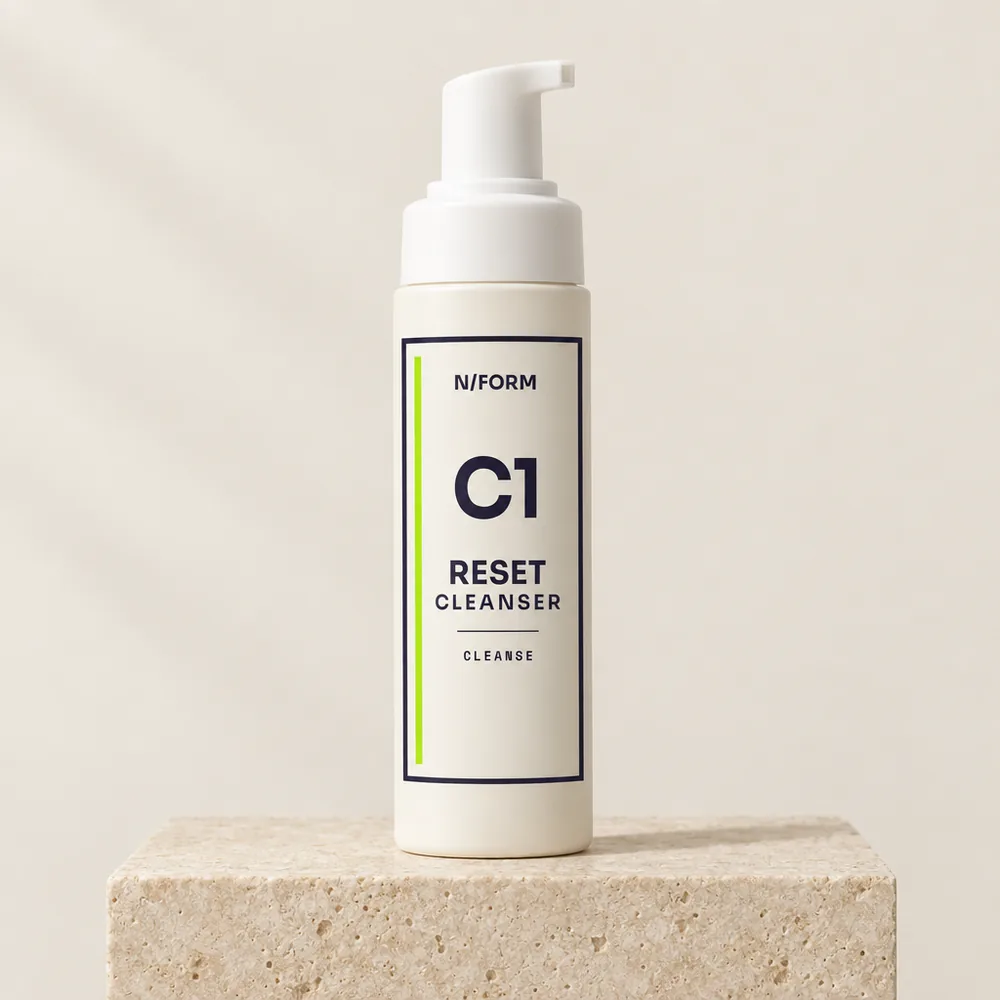
C1
Reset Cleanser
Barrier-Protecting Sulfate-Free Foaming Cleanser
Price: $28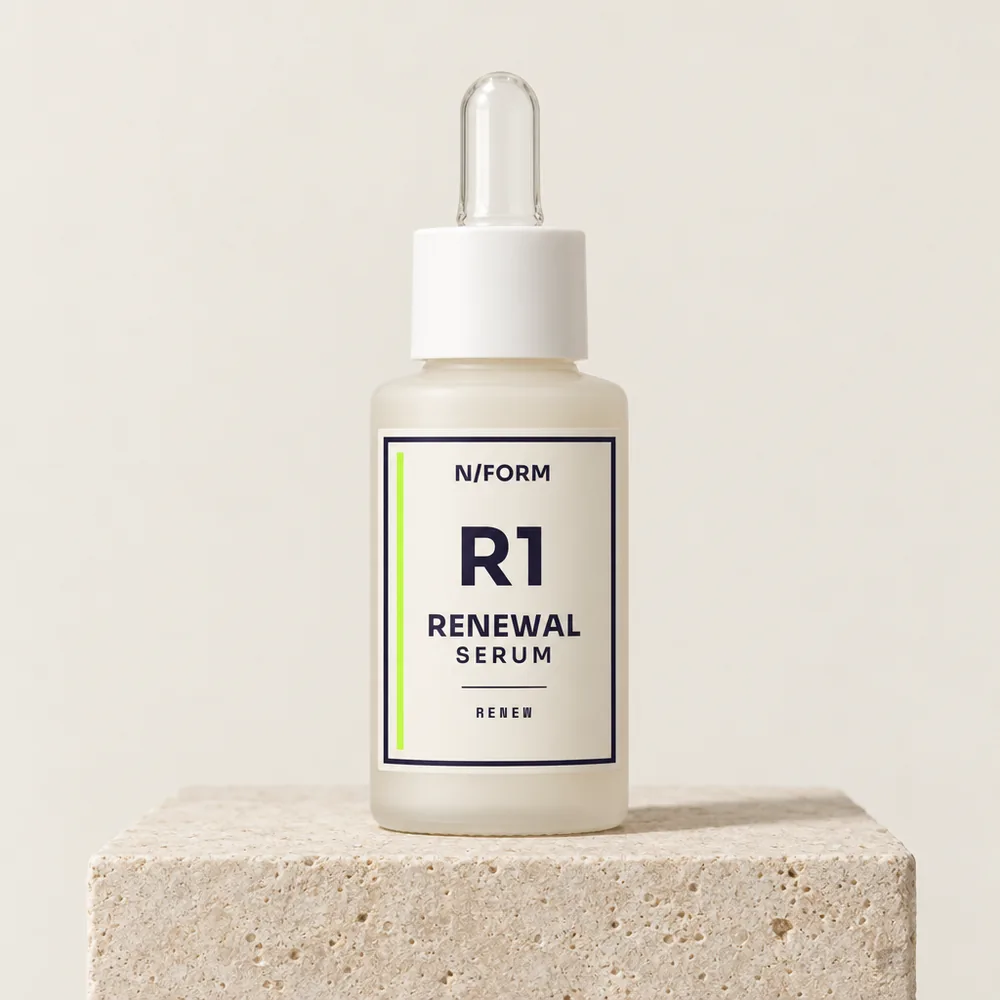
R1
Renewal Serum
2% Bidens Pilosa Retinol Alternative Serum
Price: $46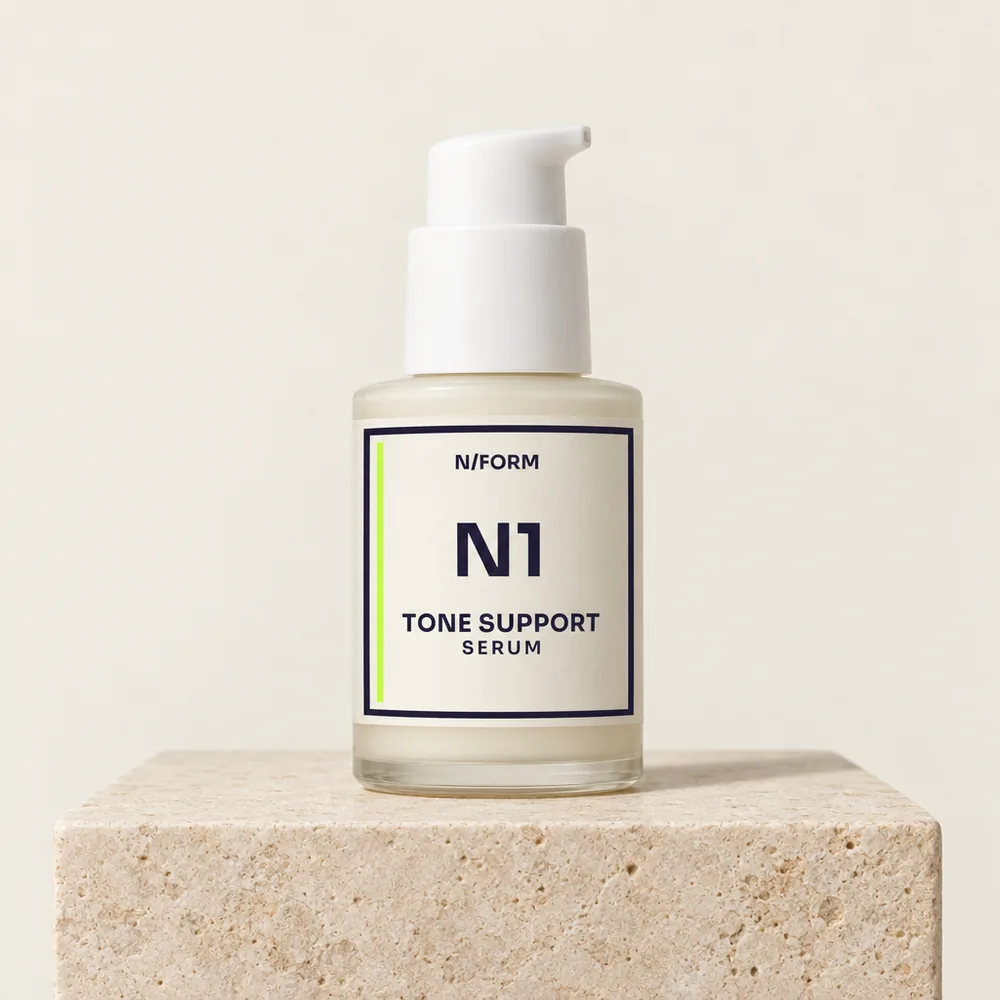
N1
Tone Support Serum
Fragrance-Free Niacinamide + Exosome Serum
Price: $42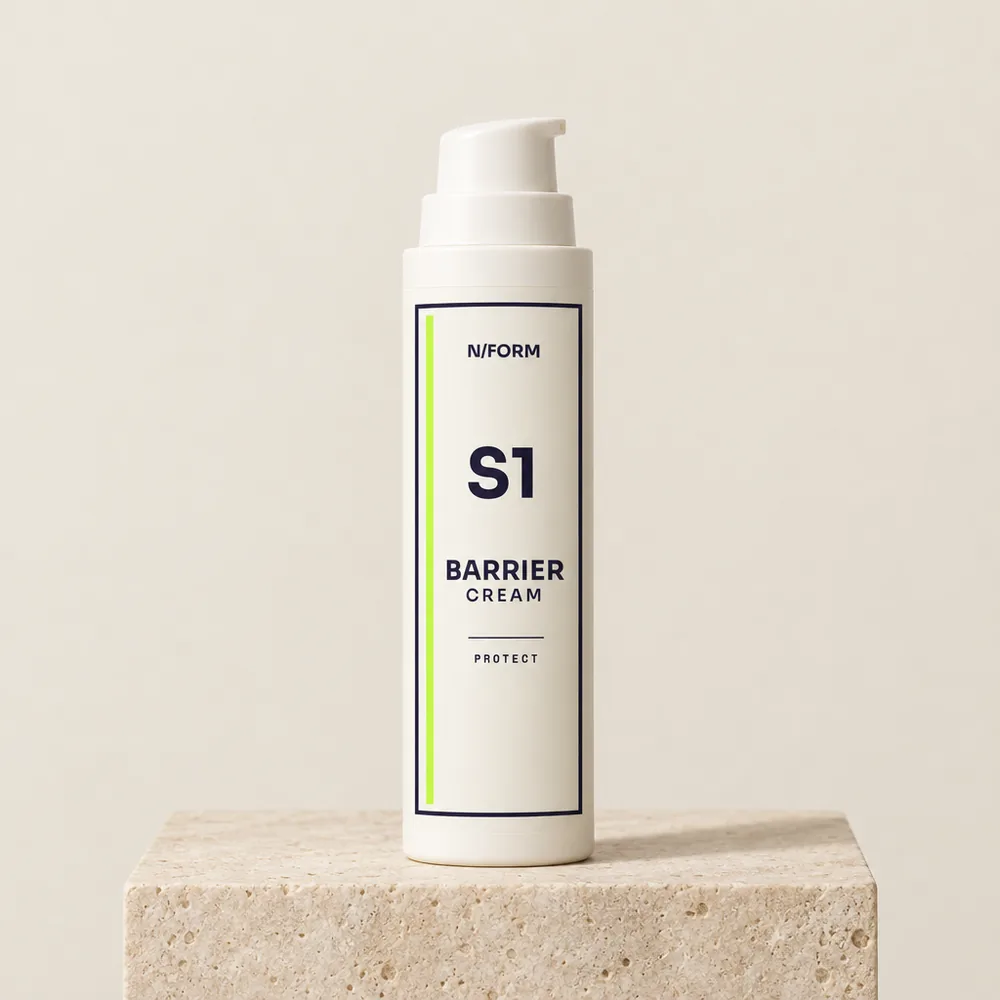
S1
Barrier Cream
Fragrance-Free Barrier Repair Moisturizer
Price: $42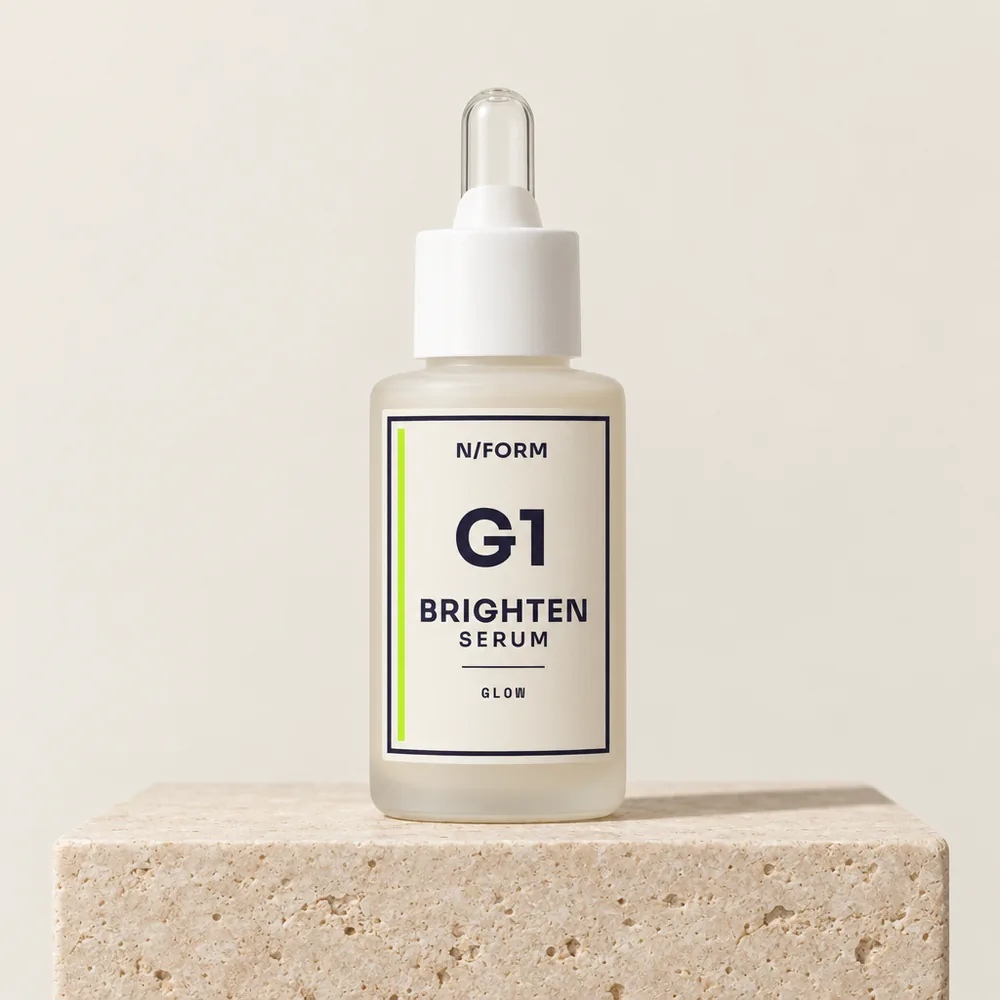
G1
Brighten Serum
2% Ascorbyl Glucoside + Ferulic Antioxidant Serum
Price: $42
Not sure which of these is your skin?
Seven questions about what your skin does, not what you own, and you get the three formulas that treat it. Sixty days to find out, full refund, keep the bottles.
Read next
Lines and firmnessGuide
Retinol Alternatives: Bidens Pilosa vs Bakuchiol vs Retinol
How two plant alternatives compare with retinol on evidence, irritation and sun. Bakuchiol has a human trial against retinol; Bidens pilosa has cell culture.
7 min read · 5 sources
Every skinGuide
How Long Does It Take for Skincare to Work?
Hydration shows in days, texture and tone in 8 to 12 weeks, pigment in 12 to 24, lines in 12 or more. Why the skin cycle sets that clock and when to give up.
7 min read · 10 sources
Every skinGuide
How to Layer Skincare: The Order That Actually Matters
Thinnest to thickest, water before oil, actives on clean skin, moisturizer last and sunscreen over it by day. The order, the pairs to separate, and why.
7 min read · 7 sources
Dull and uneven skinRoutine guide
The Routine for Dull, Uneven Skin
Dull skin is dead cells scattering light, too little water and patchy pigment. The routine that fixes all three, from cleanser to sunscreen.
9 min read · 9 sources