Dry and dehydrated skinGuide
Why Your Skin Feels Tight After Washing (and How to Make It Stop)
That pulled, squeaky feeling thirty seconds after you rinse is your cleanser taking more than dirt. What it took, why moisturizer only patches it, and the fix.
Published September 21, 2026 · 6 min read · 6 sources · By N/FORM
The short version
- Tightness after washing is not cleanliness. It is the outer layer of your skin losing water and lipids faster than it can hold them, which is what a harsh cleanser does.
- The usual cause is the surfactant, the foaming agent. Strong ones strip the fats between your skin cells and bind to skin proteins; the after-feel is the damage, not a sign the wash worked.
- Hot water and alkaline soap make it worse. Skin sits at a pH just under 5; soap pushes it up and recovery takes hours.
- The fix is a mild, low-foam cleanser used with lukewarm water, followed within a minute by a humectant and a moisturizer. Tightness that persists after that change points to a barrier that needs a few weeks to recover, not a heavier cream.
You wash your face, pat it dry, and within half a minute it pulls. Smile and it resists. Run a finger across your cheek and it drags instead of gliding. Most people read that as clean. It is the opposite: it is the sound of your skin's outer layer having just lost the two things it uses to stay comfortable, water and fat, and asking for them back.
This guide is about that feeling: what is actually happening in the top hundredth of a millimeter of your face, why a bigger moisturizer never quite fixes it, and what does.
What the tightness is
The outermost layer of your skin, the stratum corneum, is a wall of flattened dead cells set in a mortar of lipids. The cells hold water with a mix of small molecules called natural moisturizing factors; the lipid mortar keeps that water from evaporating and keeps irritants out. When both are in place, the layer is flexible. When either is short, it stiffens, shrinks slightly, and you feel it as tightness3.
Dermatologists measure this as transepidermal water loss, the rate at which water escapes through the surface. A healthy barrier keeps it low. A stripped one lets it climb, and skin that is losing water fast is skin that feels tight, looks dull and, over days, starts to flake4.
So the tight feeling after washing is a measurement you are taking with your own face: the barrier just lost some of its mortar and some of its water, and it is telling you.
What your cleanser took
A cleanser works with surfactants, molecules that grab oil at one end and water at the other so that sebum, sunscreen and the day's grime can be rinsed away. The problem is that surfactants cannot tell the oil on your skin from the lipids in it. The strong, high-foaming ones, the sulfates and their relatives, do three things at once: they dissolve the barrier lipids, they bind to the proteins in the dead cells and swell them, and they leave a residue that keeps irritating after the rinse1.
The after-feel is the result. Lipids gone, water leaving, proteins disturbed. A cleanser that leaves you squeaky has done exactly what its chemistry does; it has just done too much of it.
Milder surfactant systems, the ones derived from coconut and sugar, and the emulsion-type cleansers that lift makeup with oil rather than foam, clean the surface with far less of that collateral damage1. They do not feel like they are doing much. That is the point.
Why hot water and soap make it worse
Skin's surface is naturally acidic, on average a little under pH 5, and that acidity is part of the barrier: it favors the bacteria that belong there, and the enzymes that finish building the barrier work best at it2. Traditional soap is alkaline, around pH 9 to 10. Washing with it pushes the surface pH up, and it takes hours to come back down2. During those hours the barrier is repairing itself more slowly and the tightness has company: a faint sting when you apply anything, and skin that flushes more easily.
Hot water compounds it. Heat softens and loosens the lipid mortar, so more of it rinses away, and it dilates the small vessels in the face so any irritation reads as redness. The American Academy of Dermatology's advice for dry skin starts with exactly this: short washes, warm water rather than hot, and a gentle, fragrance-free cleanser5.
Why moisturizer alone does not fix it
The instinct is to reach for a thicker cream. It helps, for an hour or two, because an occlusive layer slows the water leaving. But it does not put back what the wash took, and by the next morning you are back at the sink doing it again. The cycle is: strip, seal, strip, seal, and the barrier never gets the chance to rebuild its own lipids.
The thing that actually shifts it is upstream. Stop taking the lipids in the first place, then give the layer water to hold and something to hold it with. Glycerin, the workhorse humectant, has the trial behind it: in a four-week double-blind study on people with damaged barriers, a glycerol cream raised the water content of the outer layer and restored barrier function against the same cream without glycerol6. Humectants pull water into the dead cells; the lipids in a good moisturizer slow it leaving; together they do what the barrier does on its own when it is well3.
The fix, in order
- Change the cleanser first. Look for a low-foam or non-foaming formula and a surfactant list without sodium lauryl sulfate or sodium laureth sulfate near the top. Coconut- and sugar-derived surfactants (cocamidopropyl betaine, coco-glucoside, sucrose cocoate) are the usual gentle ones. If you wear sunscreen or makeup daily, an emulsion or cleansing fluid removes them without needing a second wash.
- Lukewarm water, thirty seconds. Long enough to work the cleanser over the face, not long enough to soften the barrier. Rinse well and pat, do not rub.
- Put water back within a minute. Skin is most receptive while it is still slightly damp. A hydrating toner or a humectant serum on damp skin gives the outer cells water to take up.
- Then hold it in. A moisturizer with humectants and lipids, applied over the toner or serum while the face is still damp. This is the step people do first; it works better last.
- Give it three weeks. A barrier that has been stripped twice a day for months does not recover in a weekend. If you have changed the cleanser and the tightness fades over two to three weeks, it was the cleanser. If it does not, read the guide on dehydrated versus dry skin: you may be dealing with skin that is short on oil as well as water, which needs a different moisturizer.
Questions people ask
Is tight skin after washing a sign that my skin is clean?
No. Clean skin feels like nothing. Tight skin is skin that has lost water and lipids from its outer layer, which is what a harsh surfactant does to it1. The squeaky feeling is the damage, not the proof.
Why does my face feel tight even after moisturizer?
Because the moisturizer is sealing a layer that has already lost its water. An occlusive cream slows evaporation but does not rehydrate the dead cells that are stiff. Apply a humectant to damp skin first, then the moisturizer, and change the cleanser so there is less to repair3.
Should I stop washing my face in the morning?
If your skin is tight and you did nothing but sleep, a morning rinse with water alone is enough for most people. Cleanser in the evening removes sunscreen, makeup and the day; in the morning there is little to remove and every wash costs the barrier something1.
Can I still use a foaming cleanser?
Yes, if it foams from mild surfactants. Foam itself does not strip; the strong sulfates that make the richest lather do. A coconut- or sugar-derived foam cleans without the after-feel.
How long until the tightness goes?
If the cause was the cleanser and the water temperature, most people notice the difference in the first week and the tightness is gone in two to three, which is about how long the outer layer takes to rebuild its lipids4. Persistent tightness after that is worth a look at the whole routine.
Sources
Every study cited above, with what it found and where it can be read. A study of an ingredient is not a study of one of our formulas, and we say which kind each one is.
- 1
Ananthapadmanabhan, Dermatologic Therapy, 2004
Review
Review of how surfactants damage the barrier: harsh cleansers strip lipids and bind to skin proteins, raising water loss and the tight, dry after-feel; milder surfactant systems clean with far less of both.
- 2
Lambers, International Journal of Cosmetic Science, 2006
Review
Natural skin surface pH averages just below 5; keeping it there favors the resident flora and barrier repair, and washing with alkaline soap raises it, with recovery taking hours.
- 3
Rawlings and Harding, Dermatologic Therapy, 2004
Review
Review of stratum corneum moisturization: dry skin is a failure of the outer layer to hold water, driven by lost natural moisturizing factors and disordered lipids, and humectants plus lipids together restore it.
- 4
Proksch, Experimental Dermatology, 2008
Review
Review of the skin barrier: the stratum corneum’s corneocytes and lipid matrix limit water loss and keep irritants out, and barrier damage is measurable as raised transepidermal water loss.
- 5
American Academy of Dermatology, dry skin tips
Guidance
AAD guidance for dry skin: short warm (not hot) washes, a gentle fragrance-free cleanser, moisturizer applied within minutes of washing to trap water, and avoiding alcohol-heavy and fragranced products.
- 6
Breternitz, Skin Pharmacology and Physiology, 2008
Clinical trial
24 people with atopic dermatitis, four weeks, double-blind: a 20% glycerol cream improved stratum corneum hydration and restored barrier function against the same cream without glycerol.
The formulas this guide points at
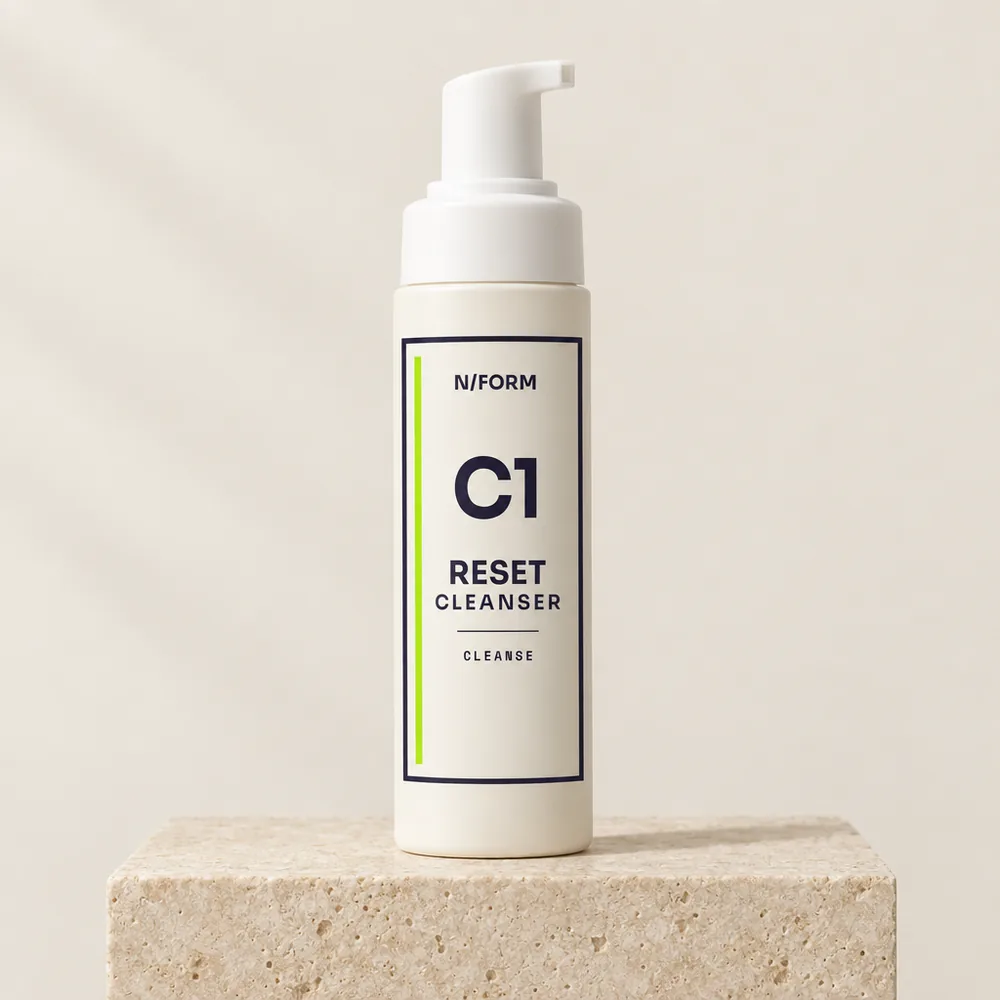
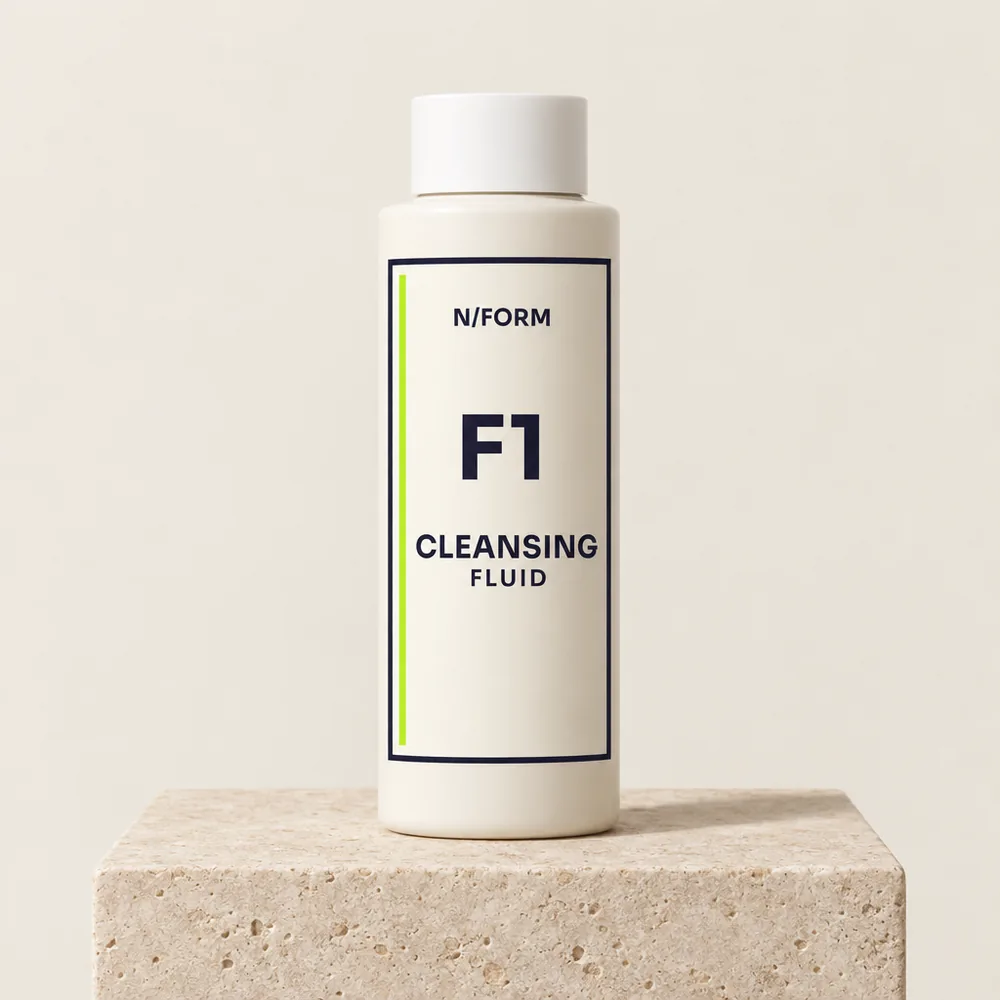
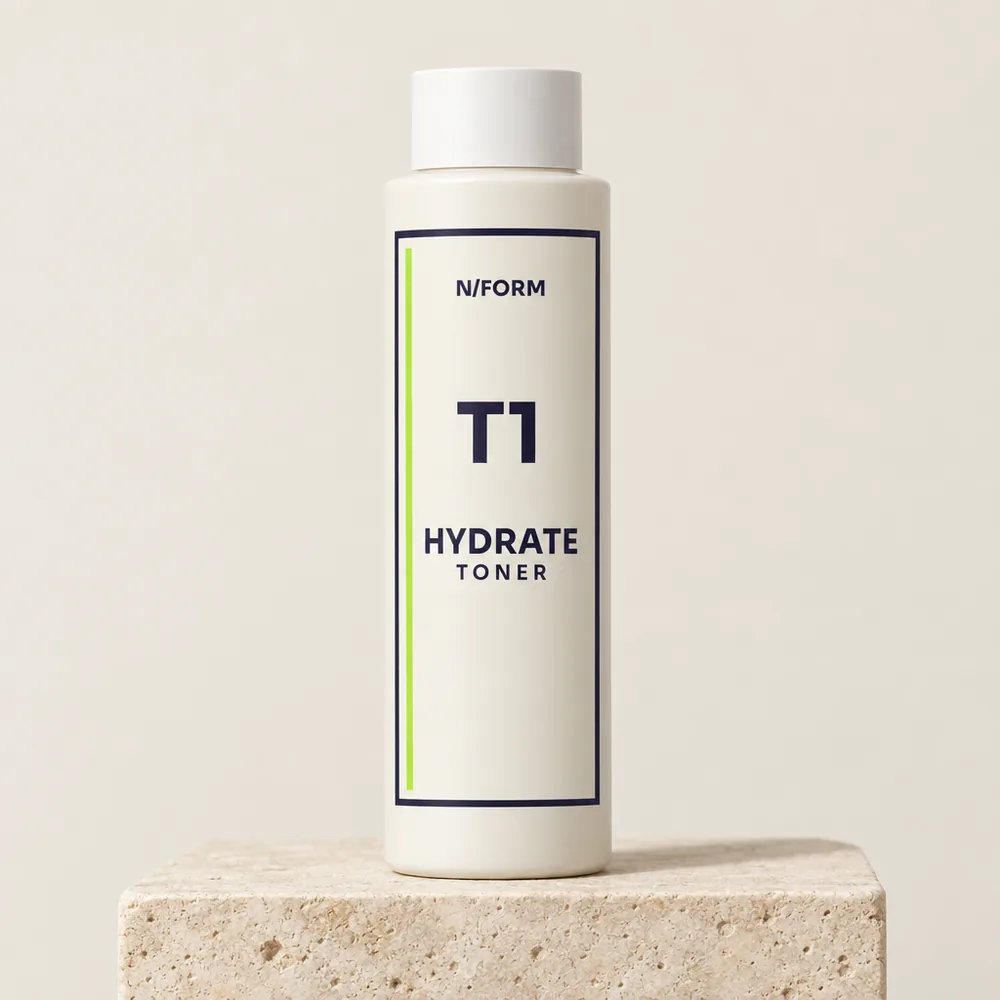
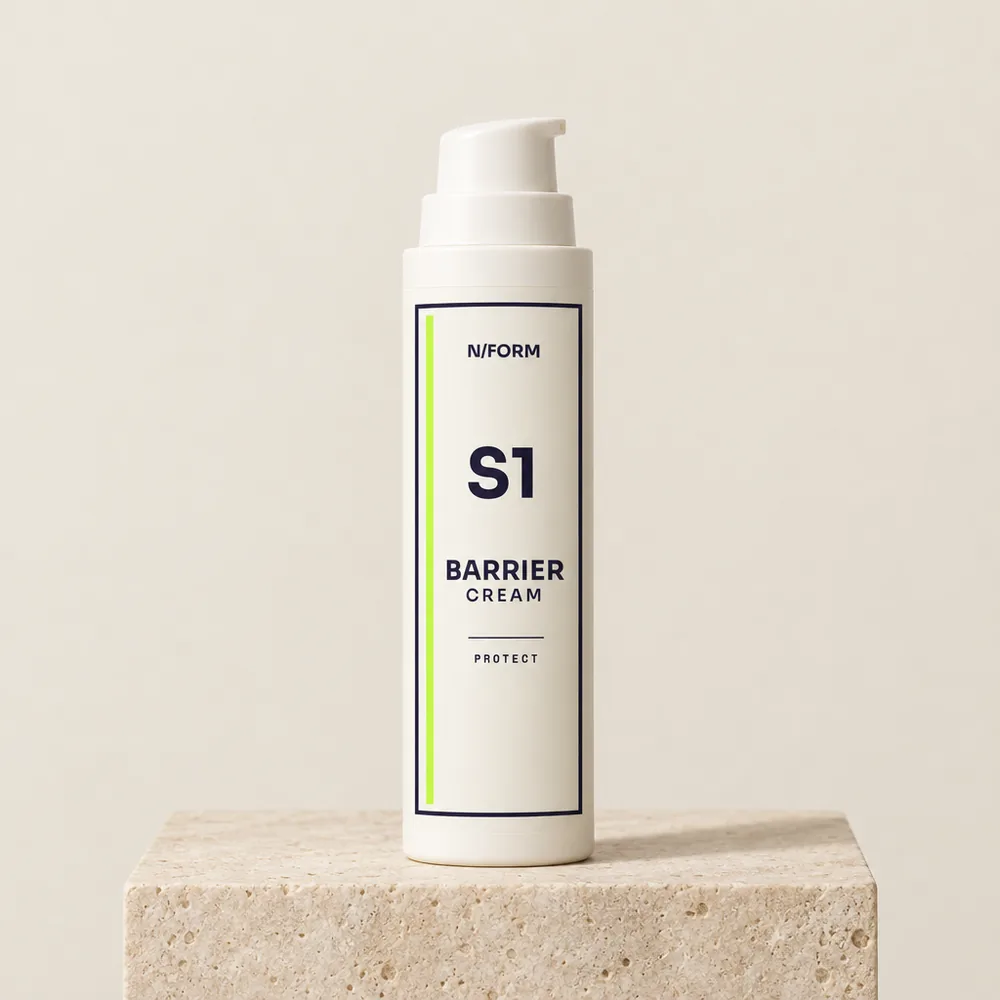
Not sure which of these is your skin?
Seven questions about what your skin does, not what you own, and you get the three formulas that treat it. Sixty days to find out, full refund, keep the bottles.
Read next
Dry and dehydrated skinGuide
Dehydrated Skin vs Dry Skin, and How to Tell Which You Have
Dry skin is short of oil. Dehydrated skin is short of water, and can be oily at the same time. The signs that separate them, a sink test, and what each needs.
7 min read · 6 sources
Sensitive and reactive skinGuide
How to Fix a Damaged Skin Barrier (and How Long It Takes)
A damaged barrier stings, flakes and flushes at products it used to tolerate. What broke it, the three-step repair routine, what to stop, and how many weeks.
7 min read · 12 sources
Dry and dehydrated skinRoutine guide
The Routine for Dry and Dehydrated Skin
Three steps, morning and night, for skin that feels tight, flakes or drinks up moisturizer by noon. What each step does to the outer layer and how long it takes
9 min read · 9 sources