Dry and dehydrated skinGuide
Dehydrated Skin vs Dry Skin, and How to Tell Which You Have
Dry skin is short of oil. Dehydrated skin is short of water, and can be oily at the same time. The signs that separate them, a sink test, and what each needs.
Published September 21, 2026 · 7 min read · 6 sources · By N/FORM
The short version
- Dry skin is a skin type that makes too little oil; dehydrated skin is a condition in which the outer layer is short of water, and any skin type, including oily, can be dehydrated.
- Dehydrated skin feels tight after washing, shows fine lines that fill in when it is well hydrated, looks dull, and often still shines by midday.
- Dry skin is rough, flaky and matte all over, rarely shines, and needs lipids as well as water.
- Both need a humectant on damp skin followed by a moisturizer; the difference is the moisturizer, a light oil-free gel for oily dehydrated skin and a lipid-rich cream for dry skin.
Dry skin makes too little oil. Dehydrated skin has too little water in its outer layer. That is the whole of dehydrated skin vs dry skin: one is a skin type you are born with and manage, the other is a condition that any skin type can fall into, including oily skin. The fast tell is shine. Skin that feels tight after washing and shows fine lines by the afternoon, yet still turns oily across the nose by noon, is dehydrated, not dry. Skin that is rough, flaky and matte everywhere, and never shines, is dry. Both need water put back on damp skin and sealed in; the difference is how much lipid the seal should carry.
Why dry and dehydrated skin are different problems
The outer layer of your skin (the stratum corneum) is a stack of flattened dead cells set in a mortar of lipids. The cells hold water with small molecules called natural moisturizing factors, and the lipid mortar slows that water from escaping. When the natural moisturizing factors run short and the lipids fall out of order, the layer stops holding water: it stiffens, feels tight, and eventually flakes1.
Dehydration is that water failure on its own. The skin may be producing plenty of sebum, the oil from the glands in the pore, and still have an outer layer that is short of water, because sebum sits on the surface and does not put water into the cells. Dermatologists see the water failure as raised transepidermal water loss, the rate at which water evaporates through the skin, which climbs whenever the barrier is disordered2.
Dry skin as a type has the water problem plus an oil problem: the glands make less sebum, the surface has fewer of its own lipids to slow evaporation, and the result is a matte, rough surface that loses water faster and stays that way without help. Regular moisturizer use in dry-skin disorders lowers that water loss and improves barrier recovery, which is why dry skin is managed rather than cured3.
The signs, side by side
| Sign | Dry skin | Dehydrated skin |
|---|---|---|
| What is missing | Oil, and the water it would hold in | Water in the outer layer |
| Type or condition | A skin type, lifelong | A condition, comes and goes |
| Feel | Rough, sometimes itchy, tight all day | Tight after washing, then eases |
| Shine by midday | Rarely | Often, especially the T-zone |
| Flaking | Fine, dry flakes across cheeks and body | Little or none; dullness instead |
| Fine lines | Present, deepen over time | Fine crinkles that fill in when hydrated |
| Pinch test | Skin is slow to settle and feels papery | Skin settles but shows fine lines while lifted |
| Makeup | Clings to flakes | Looks fine at 9, patchy by 2 |
| Who gets it | Often runs in families; worse with age and in winter | Anyone, after harsh cleansers, acids, heat, flights, illness |
A quick dry vs dehydrated skin test you can do at the sink
Wash your face with your usual cleanser, pat dry and apply nothing. Wait an hour.
If the skin feels tight for the first few minutes and then eases, and by the end of the hour there is a faint shine on the nose or forehead, your skin is making oil and the tightness was water leaving: dehydrated. If it stays tight, feels rough to the fingertip and has no shine anywhere after an hour, it is not making enough oil: dry. If it does both, tight and rough on the cheeks and shiny in the center, you have combination skin that is dehydrated across the cheeks; treat the cheeks as dry and the center as dehydrated.
Then gently pinch the skin on a cheekbone and let go. Dehydrated skin shows a fan of fine lines while lifted and smooths as it settles. Dry skin looks papery and takes a moment longer to settle.
The tightness after washing is a symptom in its own right, and it usually points at the cleanser before anything else; why skin feels tight after washing covers what a strong surfactant takes and how to stop it.
Can oily skin be dehydrated?
Yes. Oily skin is dehydrated when the glands are producing sebum normally but the outer layer has been stripped of its water, usually by a cleanser or an acid chosen to fight the oil. The skin responds to the tightness by feeling and looking oilier, the person washes harder, and the loop tightens.
The fix is not less oil; it is more water. A humectant, an ingredient that draws water into the outer layer, applied to damp skin and sealed with a light moisturizer, gives the cells back what the wash took without adding lipid the skin already has4.
How to treat dehydrated skin
Dehydrated skin needs water put into the outer layer and held there. A moisturizer works through three kinds of ingredient: humectants draw water into the outer layer, occlusives slow it leaving, and emollients smooth the surface, and the effective products combine them4.
For the humectant, hyaluronic acid is the reference ingredient. It binds many times its own weight in water, its content in skin falls with age, and its molecular size decides where it acts, with smaller fragments reaching deeper than large ones5. In a trial, 76 women applied 0.1% hyaluronic acid twice daily for 60 days, and the low molecular weight form raised skin hydration by up to 96% and reduced wrinkle depth by up to 40%6. Those numbers belong to the ingredient in that trial, not to any product; what they show is that water put into the outer layer and kept there smooths the fine lines a dry surface draws.
The routine for dehydrated skin, whatever the skin type underneath it:
- A mild, sulfate-free cleanser at night and a lukewarm water rinse in the morning.
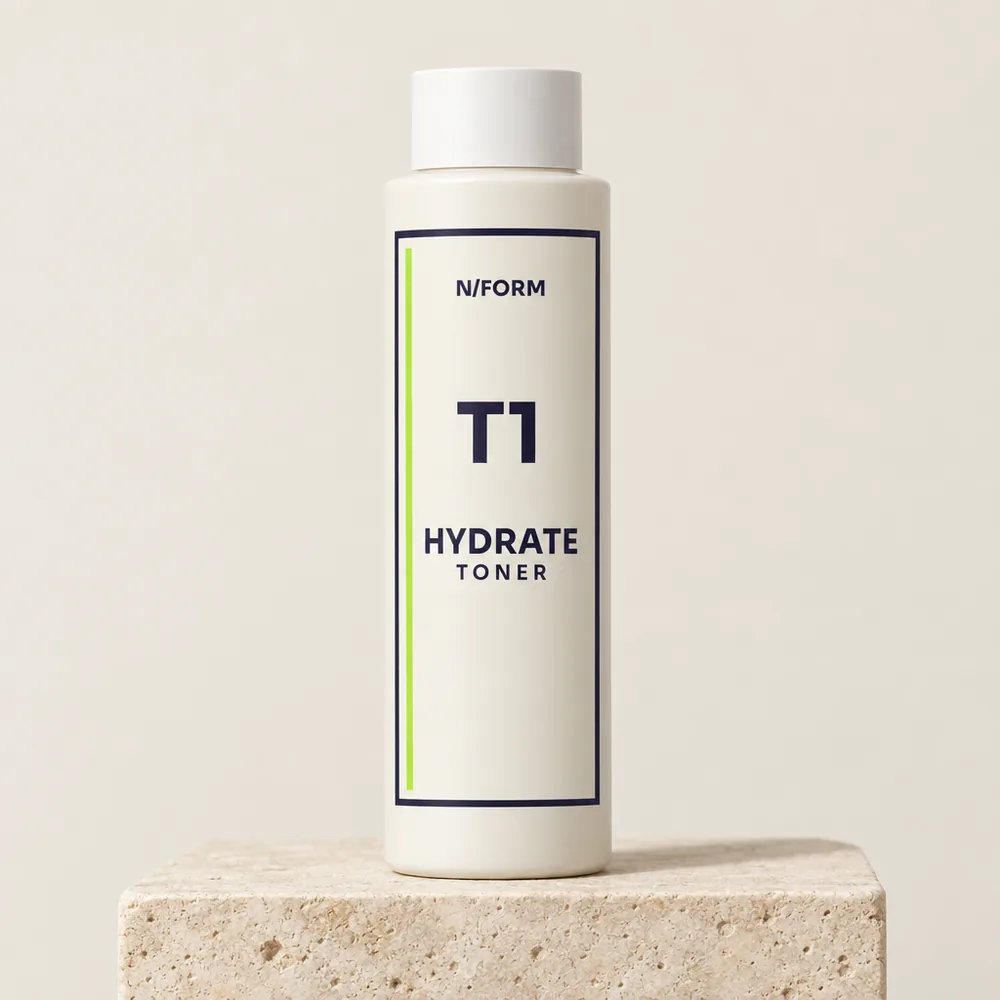
- Hydrate Toner on damp skin: fragrance-free, twelve ingredients, with hyaluronic acid and sodium PCA. It prepares the skin for the next step and does not replace a moisturizer.
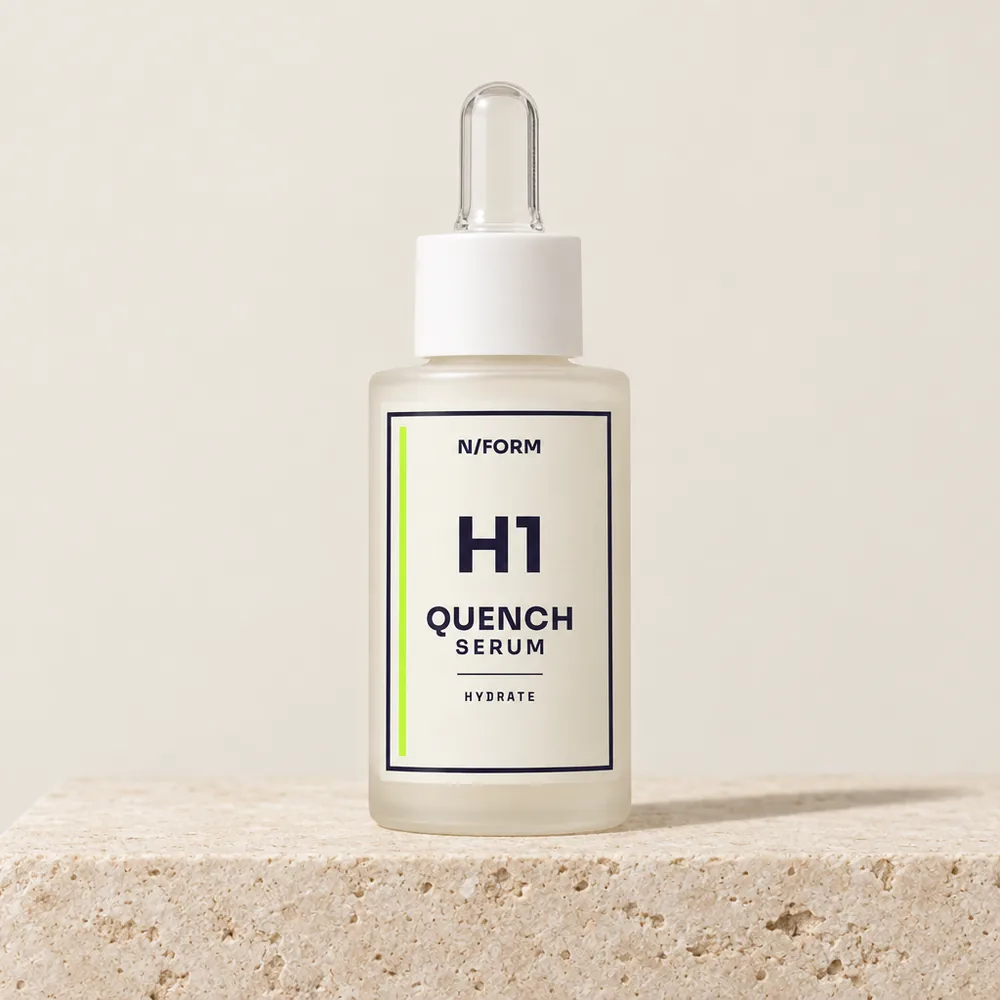
- Quench Serum on top while the skin is still damp, for skin that is tight, dull or lined by dehydration. It carries hyaluronic acid at two molecular weights, hydrolyzed hyaluronic acid and sodium hyaluronate. It contains fragrance and declares the allergens limonene, geraniol, coumarin and linalool, so skip it if you avoid those.
- A moisturizer within a minute, chosen by skin type, below.
How to use a hyaluronic acid serum explains the damp-skin step and why the moisturizer has to follow straight away.
The moisturizer is where dry and dehydrated skin part ways
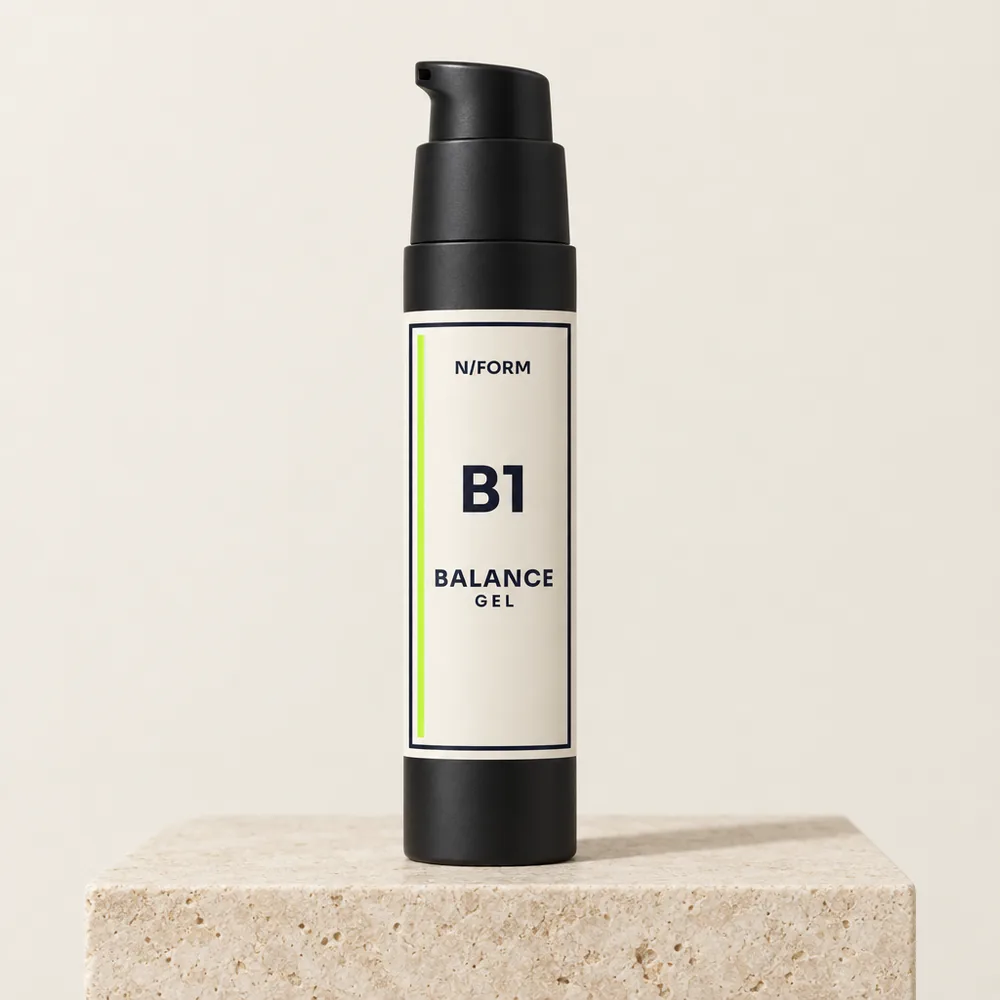
Oily or combination skin that is dehydrated needs the water sealed without extra lipid. Balance Gel is the oil-free moisturizer for that skin: hyaluronic acid, zinc PCA, betaine and watercress extract in a weightless gel, for normal, oily and combination skin. It contains fragrance and declares the allergens limonene, linalool, geraniol and citral, so it is not the choice for sensitive, allergy-prone or reactive skin.
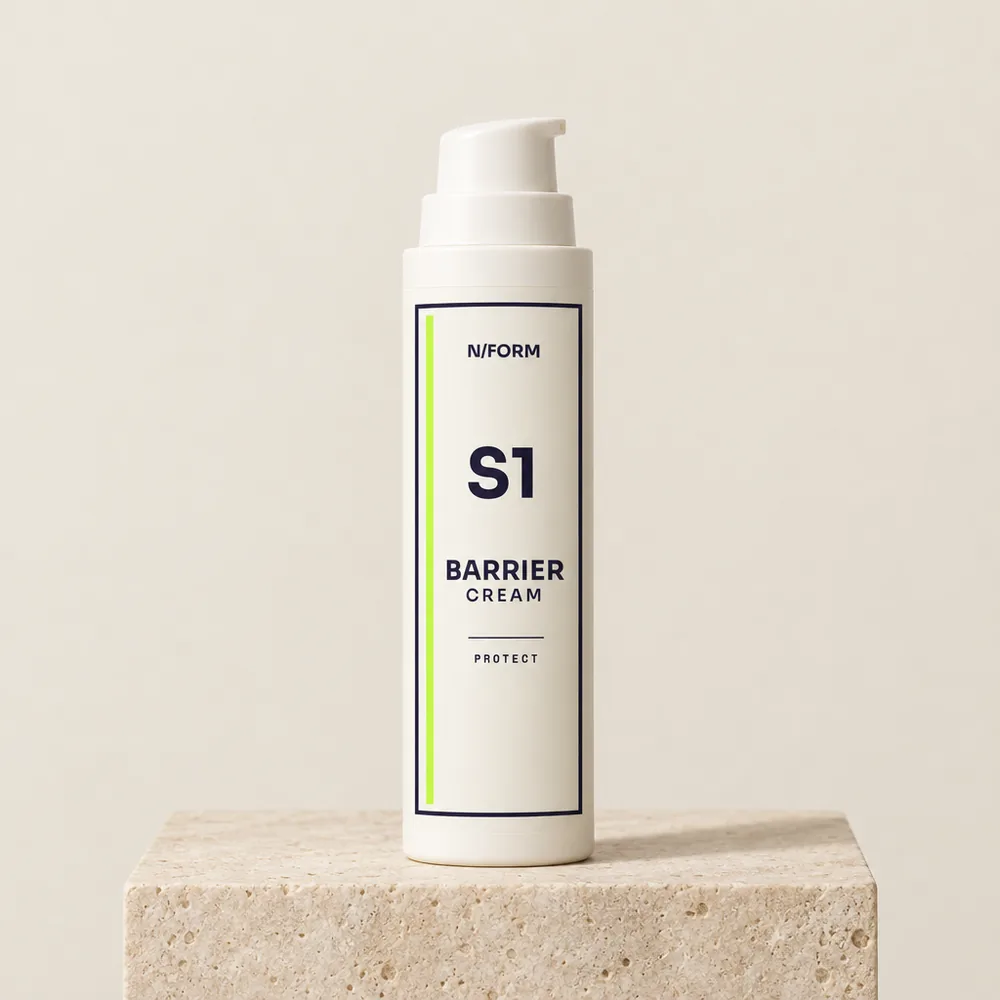
Dry skin, and any dehydrated skin that is also sensitive, needs lipid in the seal. Barrier Cream carries aloe leaf juice, jojoba seed oil, sodium PCA and hyaluronic acid in a fragrance-free, COSMOS Organic base made for sensitive and redness-prone skin. Jojoba supplies the lipid that dry skin is short of; the humectants supply the water. Regular use of an emollient moisturizer is what the review evidence supports for dry-skin disorders, for lowering water loss and improving barrier recovery, and it works as a habit, not a rescue3.
Whichever you choose, the full three-step routine, morning and night, with what to expect week by week, is in the routine for dry and dehydrated skin.
Questions people ask
Is my skin dry or dehydrated?
Wash, apply nothing, wait an hour. Tight at first, then eased, with some shine in the center: dehydrated. Tight, rough and matte for the whole hour: dry. Dehydrated skin is short of water in its outer layer; dry skin is short of oil as well, so it loses that water faster and flakes1.
What are the signs of dehydrated skin?
Tightness after washing that eases within minutes, fine lines on the cheeks and under the eyes that fill in once the skin is hydrated, dullness, makeup that goes patchy by the afternoon, and, often, oiliness across the nose and forehead at the same time. Flaking is more a sign of dry skin than of dehydration.
Can oily skin be dehydrated?
Yes. Oil is made in the glands and sits on the surface; water is held inside the outer layer's cells. A cleanser or acid that strips the layer can leave skin that shines and feels tight at once. It needs a humectant on damp skin and a light, oil-free moisturizer to hold the water, not a stronger wash4.
Does drinking more water fix dehydrated skin?
Drinking water keeps you hydrated, but the outer layer loses its water from the surface, through evaporation, and that is where it has to be replaced. The layer needs humectants to draw water in and lipids or occlusives to slow it leaving, which is what a moisturizer supplies and a glass of water does not4.
How long does dehydrated skin take to recover?
Comfort returns within days once the cleanser stops stripping and a humectant and moisturizer go on damp skin. The fine dehydration lines soften over the first couple of weeks. In the hyaluronic acid trial, the hydration and wrinkle-depth measurements were taken after 60 days of twice-daily use, so give a change that long before judging it6.
Sources
Every study cited above, with what it found and where it can be read. A study of an ingredient is not a study of one of our formulas, and we say which kind each one is.
- 1
Rawlings and Harding, Dermatologic Therapy, 2004
Review
Review of stratum corneum moisturization: dry skin is a failure of the outer layer to hold water, driven by lost natural moisturizing factors and disordered lipids, and humectants plus lipids together restore it.
- 2
Proksch, Experimental Dermatology, 2008
Review
Review of the skin barrier: the stratum corneum’s corneocytes and lipid matrix limit water loss and keep irritants out, and barrier damage is measurable as raised transepidermal water loss.
- 3
Lodén, American Journal of Clinical Dermatology, 2003
Review
Review of emollients in dry-skin disorders: regular moisturizer use lowers water loss, improves barrier recovery and reduces the need for topical steroids in barrier disorders.
- 4
Draelos, Journal of Cosmetic Dermatology, 2018
Review
Review of how moisturizers work: occlusives slow water loss, humectants draw water into the outer layer, and emollients smooth the surface; the effective products combine them.
- 5
Papakonstantinou, Dermato-Endocrinology, 2012
Review
Review: hyaluronic acid binds many times its weight in water, its skin content falls with age, and its molecular size decides where it acts, with smaller fragments reaching deeper than large ones.
- 6
Pavicic, Journal of Drugs in Dermatology, 2011
Clinical trial
76 women applied 0.1% hyaluronic acid twice daily for 60 days; low molecular weight hyaluronic acid reduced wrinkle depth by up to 40% and raised skin hydration by up to 96%.
The formulas this guide points at
Not sure which of these is your skin?
Seven questions about what your skin does, not what you own, and you get the three formulas that treat it. Sixty days to find out, full refund, keep the bottles.
Read next
Dry and dehydrated skinRoutine guide
The Routine for Dry and Dehydrated Skin
Three steps, morning and night, for skin that feels tight, flakes or drinks up moisturizer by noon. What each step does to the outer layer and how long it takes
9 min read · 9 sources
Dry and dehydrated skinGuide
Why Your Skin Feels Tight After Washing (and How to Make It Stop)
That pulled, squeaky feeling thirty seconds after you rinse is your cleanser taking more than dirt. What it took, why moisturizer only patches it, and the fix.
6 min read · 6 sources
Dry and dehydrated skinGuide
How to Use Hyaluronic Acid Serum So It Actually Hydrates
On damp skin, before moisturizer, sealed within a minute, morning and night. Why each of those matters, what molecular weight changes, and when it can backfire.
7 min read · 5 sources