Every skinGuide
What Does Toner Do? The Three Kinds, and Which One You Need
A toner is the water step between cleansing and serum. It hydrates, exfoliates or clears pores depending on what is in it. The alcohol kind is the one to skip.
Published September 21, 2026 · 7 min read · 6 sources · By N/FORM
The short version
- A toner is a watery liquid applied to a cleansed face before serum and moisturizer. What it does depends entirely on what is in it, which is why the question has three different answers.
- A hydrating toner carries humectants such as hyaluronic acid and sodium PCA that draw water into the outer layer of the skin; it prepares the skin for the next step and does not replace a moisturizer.
- An exfoliating toner carries an alpha hydroxy acid such as glycolic acid, which loosens the bonds between dead surface cells; a clarifying toner carries salicylic acid, which is oil-soluble and works inside the pore.
- The alcohol-heavy astringent toner of the past was built to undo alkaline soap. Modern cleansers sit near the skin's own pH, so that job no longer exists, and that toner is the one nobody needs.
A toner is a watery liquid you apply to a cleansed face before serum and moisturizer, and what toner does depends on which of three kinds it is. A hydrating toner carries humectants that give the outer layer of your skin water while it is still damp. An exfoliating toner carries an alpha hydroxy acid, usually glycolic, that loosens dead surface cells. A clarifying toner carries salicylic acid, which works inside the pore. The fourth kind, the alcohol-heavy astringent that "removes residue and closes pores", is the one people remember and the one nobody needs, and it is the reason the question "do you need toner" exists at all.
Why the question exists: the astringent toner
For most of the last century, washing your face meant soap. Skin's surface is naturally acidic, on average a little under pH 5, and that acidity favors the bacteria that belong there and the enzymes that finish building the barrier; soap is alkaline, it pushes the surface pH up, and recovery takes hours1. Toner was invented to fix that: an acidic, often alcohol-heavy liquid wiped over the face after soap to bring the pH back down and take off the residue. On oily skin the alcohol also stripped the surface oil, which read as "closing the pores".
Modern cleansers are formulated close to the skin's own pH, so the job that toner was built for is mostly gone. What is left of the astringent kind is the alcohol, and the American Academy of Dermatology's advice for dry skin is to avoid alcohol-heavy products because of what they do to the barrier2. If the toner you remember stung and left the skin tight, that was this kind. The three kinds below are different products that inherited the name.
A hydrating toner puts water back before anything else
A moisturizer works through three kinds of ingredient: humectants draw water into the outer layer, occlusives slow it leaving, and emollients smooth the surface3. A hydrating toner is the humectant part on its own, in water, applied first. It goes on the face within a minute of cleansing, while the cells of the outer layer (the stratum corneum) are damp and taking up water, and it gives the serum and the moisturizer that follow a hydrated layer to work on rather than a dry one.
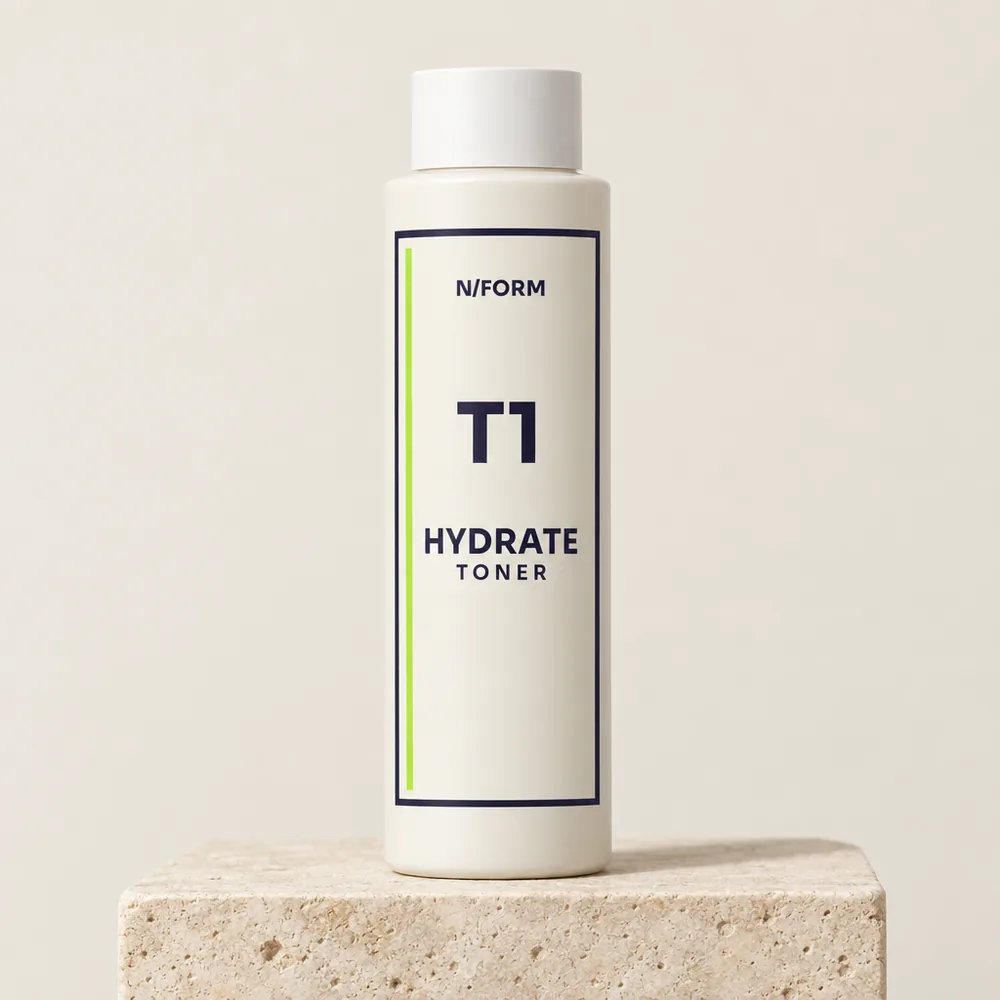
The humectants to look for are hyaluronic acid, glycerin, sodium PCA and betaine. Sodium PCA is one of the skin's own natural moisturizing factors, the small molecules inside the dead surface cells that hold water. Hydrate Toner carries hyaluronic acid, sodium PCA and rose flower water, is fragrance-free (the rose is a hydrosol, not an essential oil), and suits normal, dry and mature skin morning and evening. It is a preparatory step, and the supplier says plainly that it does not replace a moisturizer; the dry and dehydrated skin routine shows where it sits.
An exfoliating toner loosens the surface
An exfoliating toner carries an alpha hydroxy acid (AHA), most often glycolic acid. AHAs loosen the bonds between dead surface cells, thin the compacted outer layer and thicken the living epidermis beneath it, and they raise sun sensitivity while in use4. The result, over weeks, is a surface that reflects light evenly instead of looking dull and rough. In a double-blind, placebo-controlled trial, 75 volunteers used 5% glycolic acid daily for three months, and skin texture and discoloration improved significantly against placebo5.
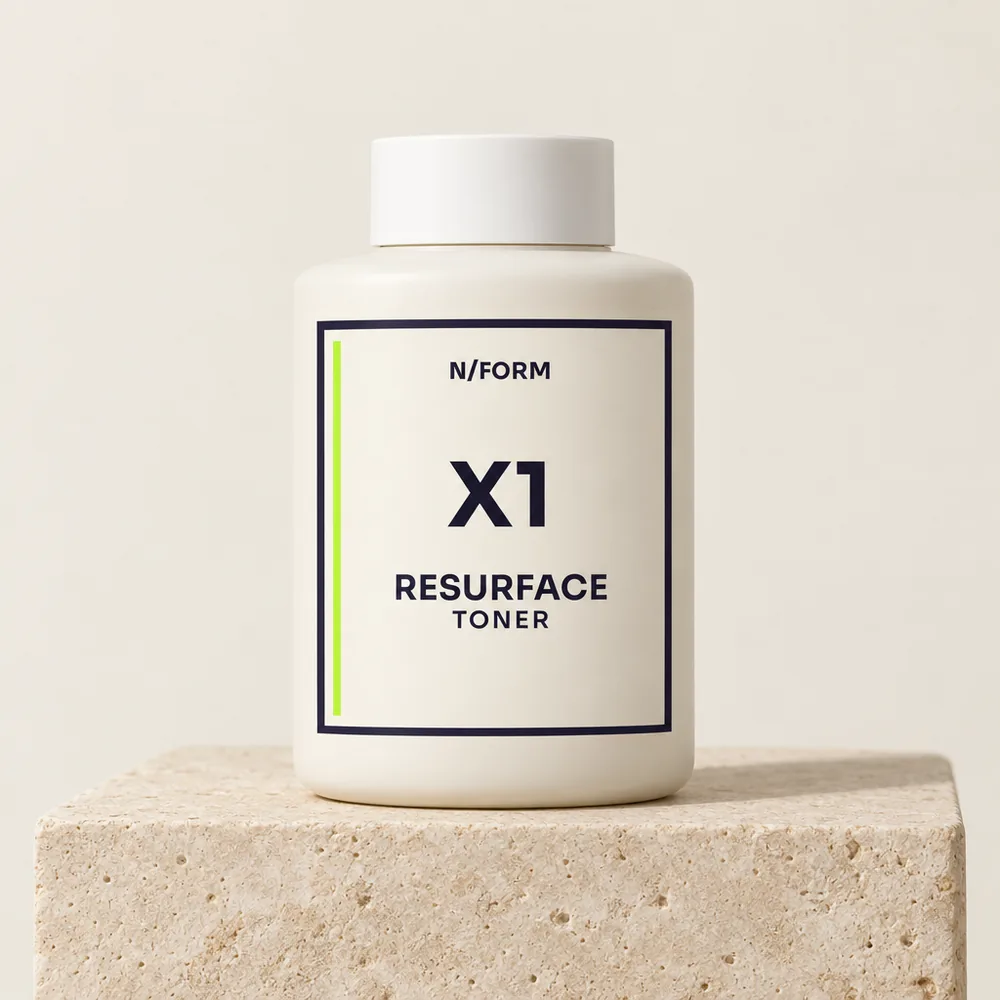
Because it changes the surface, an exfoliating toner is used less often than a hydrating one. Resurface Toner carries 5% glycolic acid and is for two or three evenings a week, not daily. The guide on how often to exfoliate sets the limits by acid and by skin.
A clarifying toner works inside the pore
A clarifying toner carries salicylic acid, the beta hydroxy acid (BHA). Salicylic acid is oil-soluble, so rather than acting only on the surface it follows the sebum down into the pore and clears the plug from inside, and it is anti-inflammatory, which is why it suits oily and acne-prone skin6. This is the toner for congestion, blackheads and midday shine.
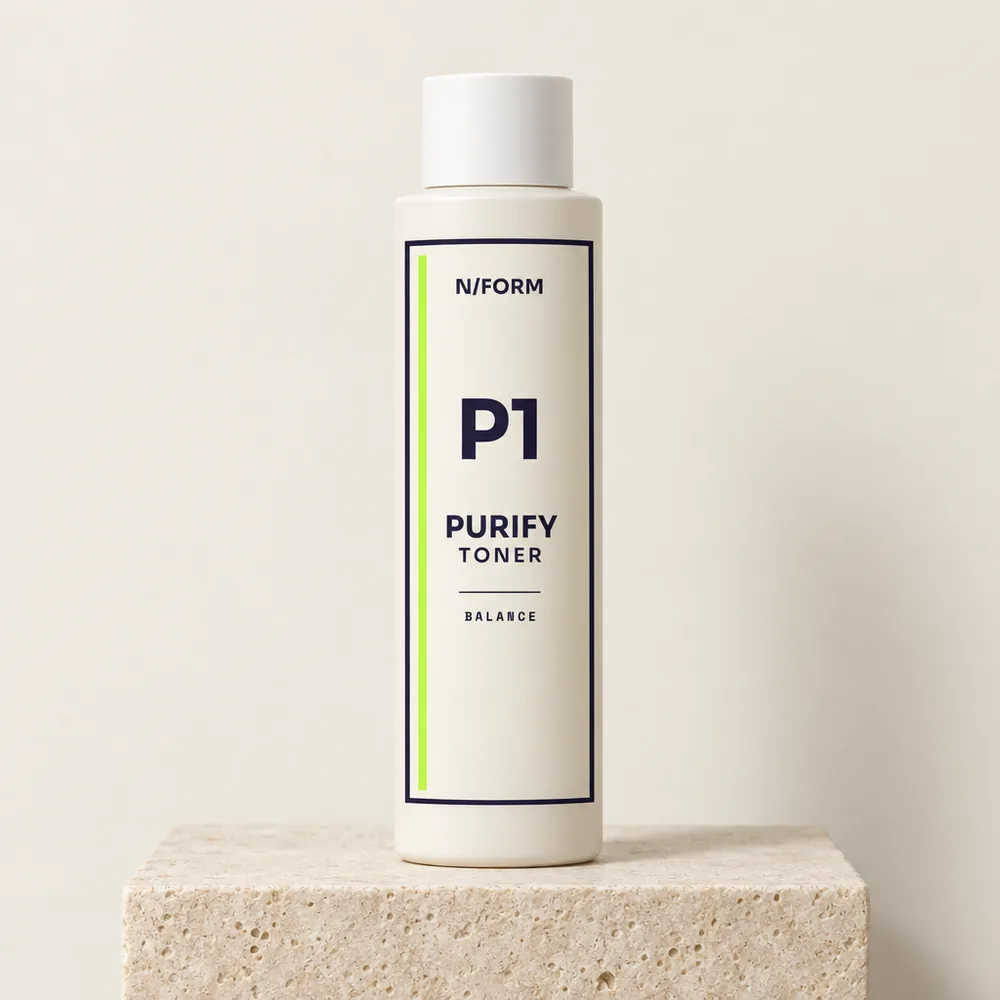
Purify Toner carries salicylic acid with betaine and cucumber, is fragrance-free, and is for normal to oily skin. It contains alcohol as well as the acid, so it is not the one for very sensitive skin. It is designed for daily use, and the oily, congested skin routine explains what to put on after it.
Which toner for which skin
| Kind | What it does | Who it is for | When |
|---|---|---|---|
| Hydrating (hyaluronic acid, sodium PCA) | Draws water into the outer layer and prepares it for serum and moisturizer | Normal, dry, dehydrated and mature skin; sensitive skin if fragrance-free | Morning and evening, on damp skin |
| Exfoliating AHA (glycolic acid) | Loosens dead surface cells; smooths texture and evens tone over weeks | Dull, rough or uneven skin that is not reactive | Two or three evenings a week |
| Clarifying BHA (salicylic acid) | Clears inside the pore; calms blemishes | Normal to oily, congested and blemish-prone skin | Daily, morning or evening |
| Astringent (alcohol) | Strips surface oil; historically corrected soap's pH | Nobody, with modern cleansers | Skip it |
Combination skin often does best with two: a clarifying toner on the T-zone and a hydrating one on the cheeks. Sensitive skin should stay with the hydrating kind and add an acid only slowly, if at all.
Toner before or after serum: the order
Cleanser, toner, serum, moisturizer. A toner is the thinnest thing in the routine and it goes on first, on a damp face, straight after cleansing. Serum goes on top, then moisturizer, and sunscreen in the morning. Two rules keep it simple. A hydrating toner can be used morning and evening every day. An exfoliating toner is an evening product, used one at a time: not glycolic and salicylic in the same evening, and not on the same evening as any other exfoliant. The guide on how to layer skincare has the full order, including where a face oil and a treatment go.
If you use both a clarifying and a hydrating toner, the clarifying one goes on first and the hydrating one over it, because the acid wants to reach the pore and the humectant wants to sit on the surface.
Questions people ask
Do you need toner?
You need the step more than the word. Skin takes up water best while damp after cleansing, so something with humectants applied then does real work3. If your serum is a humectant serum applied to damp skin, that step is already covered and a hydrating toner is optional. If your skin is congested, a salicylic acid toner is the easiest way to get the acid onto the pore daily6. The alcohol astringent kind you can skip.
What does toner do for your face?
It depends on the kind. A hydrating toner gives the outer layer water through humectants such as hyaluronic acid3. An exfoliating toner loosens dead surface cells with an alpha hydroxy acid such as glycolic4. A clarifying toner clears inside the pore with salicylic acid6. Read the ingredient list, not the front of the bottle.
Is toner necessary if I already use a serum?
Not the hydrating kind, if the serum is humectant-based and you apply it to damp skin. An exfoliating or clarifying toner does something a hydrating serum does not, so whether it is necessary depends on whether your skin needs exfoliation or pore-clearing, not on whether you own a serum.
Should toner go before or after serum?
Before. Toner is the thinnest layer, applied to a damp, freshly cleansed face; serum goes over it and moisturizer over that. An exfoliating toner goes on in the evening, before the serum, and not on the same evening as another exfoliant.
Can I use toner every day?
A hydrating toner, yes, morning and evening. A clarifying salicylic acid toner is designed for daily use on normal to oily skin6. An exfoliating glycolic acid toner is not: AHAs thin the outer layer and raise sun sensitivity while in use, so two or three evenings a week is the pattern4.
What is the difference between a hydrating and an exfoliating toner?
A hydrating toner adds water and leaves the surface alone. An exfoliating toner changes the surface: an alpha hydroxy acid loosens the bonds between dead cells so they shed sooner4. One is a daily maintenance step for any skin; the other is a treatment used a few evenings a week on skin that is dull or uneven.
Sources
Every study cited above, with what it found and where it can be read. A study of an ingredient is not a study of one of our formulas, and we say which kind each one is.
- 1
Lambers, International Journal of Cosmetic Science, 2006
Review
Natural skin surface pH averages just below 5; keeping it there favors the resident flora and barrier repair, and washing with alkaline soap raises it, with recovery taking hours.
- 2
American Academy of Dermatology, dry skin tips
Guidance
AAD guidance for dry skin: short warm (not hot) washes, a gentle fragrance-free cleanser, moisturizer applied within minutes of washing to trap water, and avoiding alcohol-heavy and fragranced products.
- 3
Draelos, Journal of Cosmetic Dermatology, 2018
Review
Review of how moisturizers work: occlusives slow water loss, humectants draw water into the outer layer, and emollients smooth the surface; the effective products combine them.
- 4
Kornhauser, Clinical, Cosmetic and Investigational Dermatology, 2010
Review
Review of hydroxy acids: AHAs such as glycolic acid loosen the bonds between dead surface cells, thin the compacted outer layer and thicken living epidermis; they also raise sun sensitivity while in use.
- 5
Thibault, Dermatologic Surgery, 1998
Clinical trial
75 volunteers used 5% glycolic acid daily for three months, double-blind and placebo-controlled; skin texture and discoloration improved significantly against placebo.
- 6
Arif, Clinical, Cosmetic and Investigational Dermatology, 2015
Review
Review: salicylic acid is oil-soluble, so it clears inside the pore rather than only at the surface, and it is anti-inflammatory, which is why it suits oily and acne-prone skin.
The formulas this guide points at
Not sure which of these is your skin?
Seven questions about what your skin does, not what you own, and you get the three formulas that treat it. Sixty days to find out, full refund, keep the bottles.
Read next
Every skinGuide
How to Layer Skincare: The Order That Actually Matters
Thinnest to thickest, water before oil, actives on clean skin, moisturizer last and sunscreen over it by day. The order, the pairs to separate, and why.
7 min read · 7 sources
Dull and uneven skinGuide
How Often Should You Exfoliate Your Face?
Two or three evenings a week with a 5% glycolic acid toner is the answer for most skin. Here it is by skin type, with the signs you have overdone it.
7 min read · 6 sources
Dry and dehydrated skinRoutine guide
The Routine for Dry and Dehydrated Skin
Three steps, morning and night, for skin that feels tight, flakes or drinks up moisturizer by noon. What each step does to the outer layer and how long it takes
9 min read · 9 sources
Oily and congested skinRoutine guide
The Routine for Oily, Congested Skin
Oily, congested skin needs a cleanser that does not strip it, salicylic acid inside the pore, and an oil-free gel moisturizer. The order and the timing.
9 min read · 8 sources