Sensitive and reactive skinGuide
Is Fragrance in Skincare Bad? What the Label Means and Who Should Avoid It
Not bad for everyone, but among the most frequent causes of contact allergy to cosmetics. What parfum, unscented and fragrance-free mean, and what to check.
Published September 21, 2026 · 7 min read · 3 sources · By N/FORM
The short version
- Fragrance in skincare is not bad for everyone, but fragrance ingredients are among the most frequent causes of contact allergy to cosmetics, affecting roughly 1 to 4% of the general population.
- A fragrance allergy can start after years of using the same product without trouble, so a product you have always tolerated is not proof you are not reacting to it now.
- Unscented is not fragrance-free. An unscented product may contain a masking fragrance to cover the smell of its base; fragrance-free is the term for a product with no added fragrance.
- Essential oils are fragrance. Lavender, rose and citrus oils contain the same molecules, limonene, linalool, geraniol and coumarin, that appear on fragrance allergen lists.
- If your skin stings, flushes or flares, switch every leave-on and rinse-off product to fragrance-free for six to eight weeks; if nothing changes, fragrance was not the cause.
The honest answer to "is fragrance in skincare bad" is: not for everyone, and anyone who tells you every scented product is harming your skin is overselling it. But fragrance ingredients are among the most frequent causes of contact allergy to cosmetics, affecting roughly 1 to 4% of the general population, and the reaction can appear after years of trouble-free use1. So the honest answer is: if your skin has never reacted, fragrance is a preference; if it stings, flushes, itches or flares, fragrance is the first thing to remove, because it is among the likeliest causes and the easiest to test.
Is fragrance in skincare bad? Not for most people, and badly for some
Contact allergy is the immune system learning to recognize a molecule and reacting to it on the next contact, usually as itch, redness, scaling or small bumps where the product went on, a day or two after application. Fragrance ingredients are among the groups that do this most often, and the clinical review evidence puts the share of the general population affected at roughly 1 to 4%1.
Two things about that number matter more than the number. First, it is the general population, most of whom have no trouble with their skin at all. Second, the allergy can develop late. Someone can use a scented moisturizer for years, then become sensitized, and from then on react to that product and to everything else that contains the same molecule1. That is why "I have always used it" is not evidence that a product is not the problem now.
A damaged barrier lets more fragrance through
Fragrance sits on skin, and what a fragrance molecule does depends partly on how much of it gets through. The outer layer of your skin (the stratum corneum) is a wall of flattened dead cells in a lipid mortar, and its job is to keep water in and irritants out; when it is damaged, water loss rises and more of what you apply reaches the living cells underneath2. A face that has been over-cleansed, over-exfoliated or stripped by a retinoid is therefore a face on which a fragrance that used to be fine now stings.
That is the connection between the two most common causes of "sensitive" skin. Repair the barrier and some scented products become tolerable again. Keep the barrier damaged and even a low level of fragrance is an irritant. The guide on how to fix a damaged skin barrier covers the repair; this page covers the removal.
What the words on the label mean
The terms on a label sound interchangeable and are not. The FDA's own guidance is that "fragrance" on a label can stand for a mixture of many ingredients that are not disclosed individually, that "unscented" products may still contain a masking fragrance, and that "fragrance-free" is the term for products without added fragrance3.
| Term on the label | What it means |
|---|---|
| Fragrance, parfum, aroma | A blend of scent ingredients, listed as one word. The individual molecules are not disclosed. |
| Unscented | The product has no noticeable smell. It may contain a masking fragrance to cover the smell of the base3. |
| Fragrance-free | No fragrance ingredient was added. This is the term to look for3. |
| Essential oil (lavender oil, rose oil, citrus peel oil) | A plant extract used for its smell. Chemically it is fragrance, and it carries the same allergen molecules. |
| Flower water, hydrosol | The water left after distilling a plant. It is not the essential oil and is not counted as fragrance. |
| Limonene, linalool, geraniol, coumarin, citral, citronellol | Named fragrance allergens. European labeling rules require them to be listed by name when present above a threshold, which is why some labels declare them separately. |
| Phenethyl alcohol | A preservative booster that has a rose-like scent of its own. A product using it is not fragrance-free in the strict sense. |
A product that lists parfum plus limonene, linalool, geraniol and coumarin is telling you which allergens are in the blend, which is more useful than parfum alone. A product with no parfum but lavender oil on the list is scented, whatever the front of the pack says.
Essential oils count
Products "free from synthetic fragrance" are often heavy with lavender, geranium, bergamot and tea tree. Those are fragrance. Lavender oil is largely linalool and linalyl acetate; rose and geranium oils carry geraniol and citronellol; citrus peel oils are mostly limonene. These are the same molecules that appear on the allergen lists, and the immune system does not distinguish between a molecule from a flower and the same molecule from a factory1.
The distinction that does matter is between an essential oil and a flower water. Rose flower water and lavender flower water are hydrosols, the watery fraction left after steam distillation, and they carry little of the volatile oil. That is what a fragrance-free claim on a product containing "rose flower water" turns on, and it is a legitimate one.
Where N/FORM stands, formula by formula
Five of our formulas are fragrance-free in the strict sense: Barrier Cream, Purify Toner, Tone Support Serum, Fragrance-Free Cleansing Fluid and Hydrate Toner. The rose water in Hydrate Toner and the lavender water in Purify Toner are hydrosols, not essential oils. Barrier Cream has no fragrance ingredient in the formula at all. Tone Support Serum has no parfum and no declared allergens. Purify Toner is fragrance-free but contains salicylic acid and alcohol, so it is a fragrance-free choice for oily skin, not an automatic one for highly reactive skin.
The rest of the range is scented. Reset Cleanser, Quench Serum, Balance Gel, Renewal Serum and Brighten Serum contain parfum, and each of the serums and the gel declares its allergens by name: Quench Serum lists limonene, geraniol, coumarin and linalool. Resurface Toner and Eye Reset Patches contain phenethyl alcohol, which carries a scent, so they are not fragrance-free either. We declare the allergens rather than hiding them under parfum precisely so that someone who has been patch tested and knows they react to, say, linalool, can rule a product out from the label.
This is why the range has a fragrance-free cleanser and a fragrance-free toner sitting beside the scented ones. Someone who reacts uses Fragrance-Free Cleansing Fluid at night and water in the morning, Hydrate Toner, Tone Support Serum and Barrier Cream, and never touches the rest. That is the routine set out in full in the routine for sensitive, reactive skin.
How to find out whether fragrance is your problem
The test is simple and takes six to eight weeks.
- Go fragrance-free on everything that touches your face. Cleanser, toner, serum, moisturizer, sunscreen, and the things people forget: hair conditioner, the detergent on the pillowcase, hand cream.
- Change nothing else for six weeks. If you also swap the cleanser, add an acid and start a retinoid, you will not know what did what.
- Watch for the late reaction. Contact allergy shows a day or two after contact, not in the minute after. A sting on application is more often a damaged barrier than an allergy; both improve with the fragrance gone, but for different reasons.
- If nothing changes, fragrance was not the cause. That is useful information. Look at the cleanser next, because if your face pulls within a minute of rinsing, why skin feels tight after washing is the more likely explanation.
- If it did change, get patch tested. A dermatologist can test you against the standard fragrance mixes and name the molecule, which turns a lifetime of avoiding "everything scented" into avoiding one or two listed ingredients1.
Questions people ask
Is fragrance bad for your skin?
Not for everyone. Fragrance ingredients are among the most frequent causes of contact allergy to cosmetics, affecting roughly 1 to 4% of the general population, and the allergy can start after years of use1. For the majority who have never reacted, a scented product is a preference. For skin that stings, itches or flares, fragrance is the first ingredient to remove because it is among the likeliest causes and the easiest to test.
What is the difference between fragrance-free and unscented?
Fragrance-free means no fragrance was added. Unscented means the product has no noticeable smell, which can be achieved with a masking fragrance to cover the base3. A reactive skin wants fragrance-free; unscented can still contain the molecules it reacts to.
Are essential oils better than synthetic fragrance for sensitive skin?
No. Lavender, rose, geranium and citrus oils are made of the same allergen molecules, linalool, geraniol, citronellol and limonene, that appear in synthetic blends, and the immune system reacts to the molecule, not to where it came from1. A flower water (hydrosol) is different: it is the watery fraction from distillation and carries little of the oil.
Why do dermatologists recommend fragrance-free products?
Because fragrance ingredients are among the most frequent cosmetic allergens and the easiest ones to remove1. Taking it out of a routine costs nothing and rules out the likeliest cause of a reaction; a fragrance-free routine also has fewer ingredients for a damaged barrier to let through while it repairs2.
Does fragrance damage the skin barrier?
The evidence in front of us is about allergy and irritation rather than the barrier directly. What is well established is the reverse: a damaged barrier lets more of any applied ingredient, fragrance included, reach the living skin, which is why scented products that used to be fine start to sting after over-cleansing or over-exfoliating2.
Sources
Every study cited above, with what it found and where it can be read. A study of an ingredient is not a study of one of our formulas, and we say which kind each one is.
- 1
Johansen, American Journal of Clinical Dermatology, 2003
Review
Clinical review: fragrance ingredients are among the most frequent causes of contact allergy to cosmetics, affecting roughly 1 to 4% of the general population, and the reaction can appear after years of trouble-free use.
- 2
U.S. Food and Drug Administration, Fragrances in Cosmetics
Guidance
FDA guidance: "fragrance" on a label can stand for a mixture of many undisclosed ingredients, "unscented" products may still contain masking fragrance, and "fragrance-free" is the term for products without added fragrance.
- 3
Proksch, Experimental Dermatology, 2008
Review
Review of the skin barrier: the stratum corneum’s corneocytes and lipid matrix limit water loss and keep irritants out, and barrier damage is measurable as raised transepidermal water loss.
The formulas this guide points at
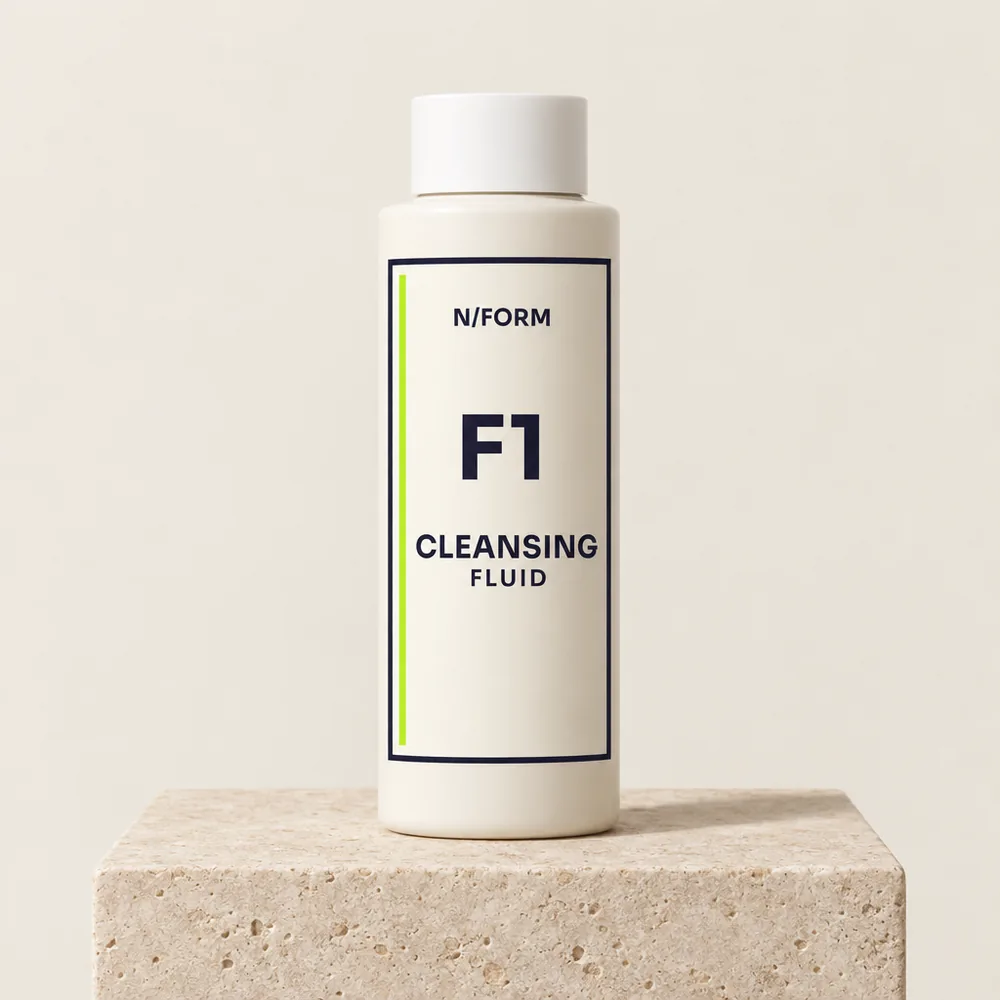
F1
Fragrance-Free Cleansing Fluid
Dual-Phase Micellar Cleansing Emulsion
Price: $28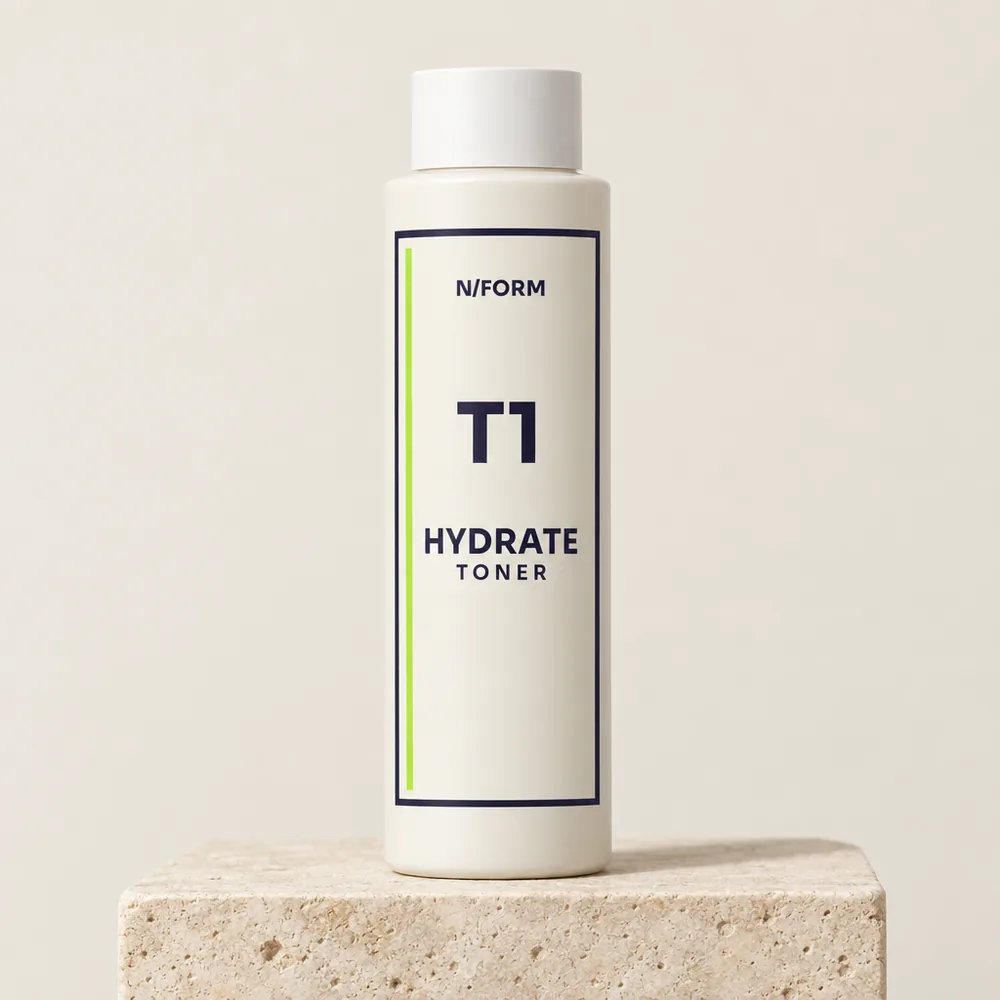
T1
Hydrate Toner
12-Ingredient Hyaluronic Acid Hydrating Toner
Price: $32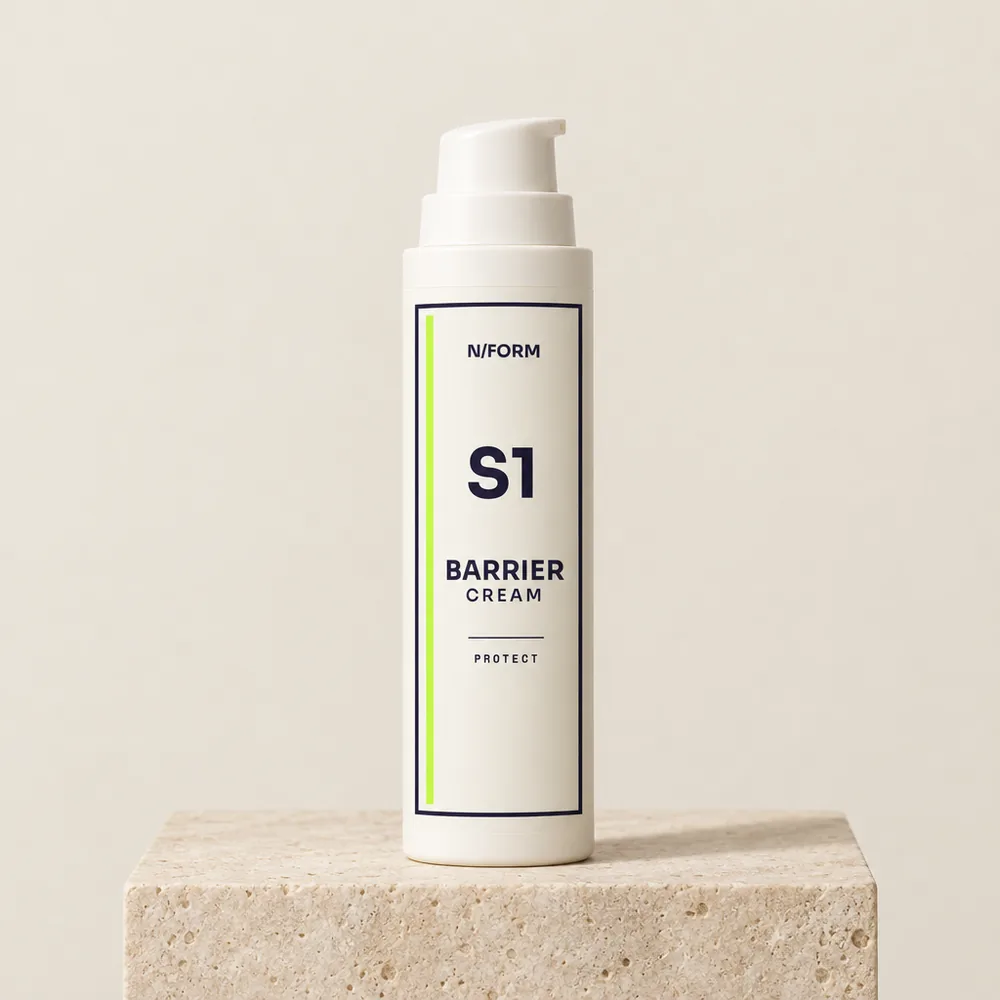
S1
Barrier Cream
Fragrance-Free Barrier Repair Moisturizer
Price: $42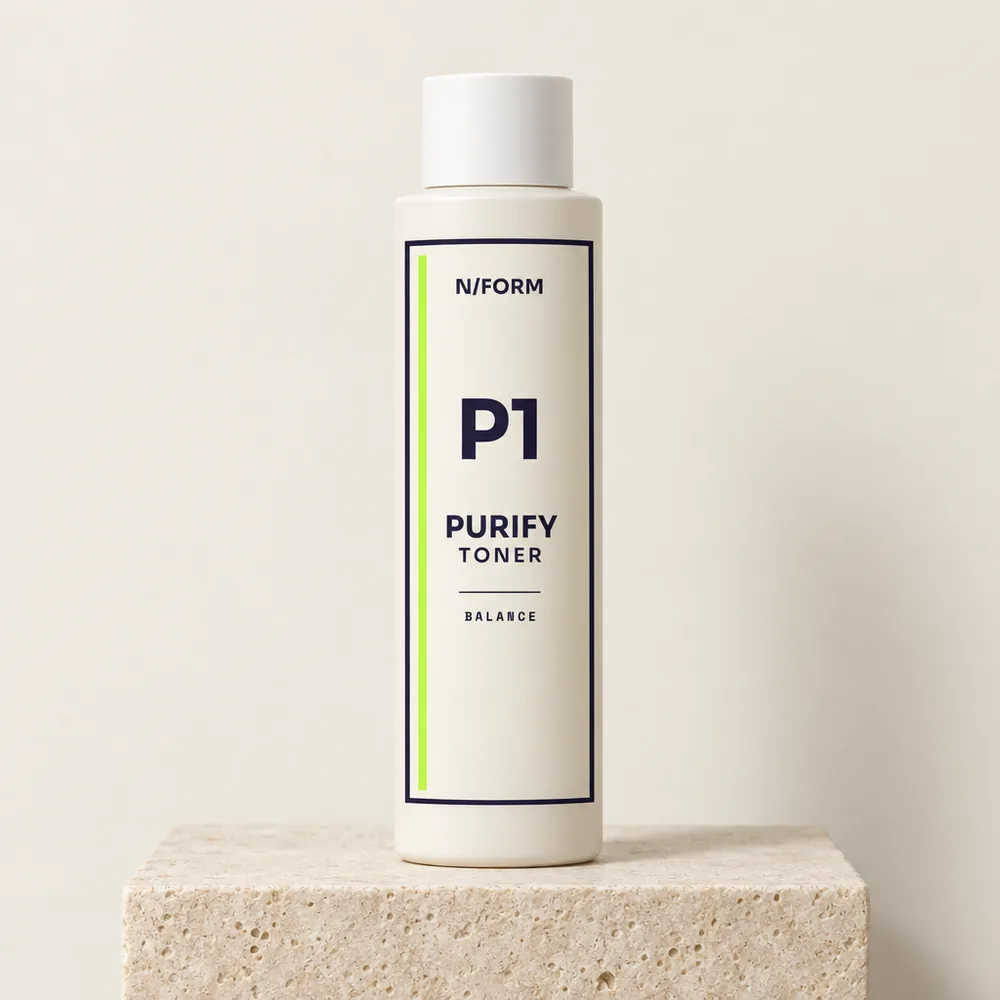
P1
Purify Toner
Oil-Soluble Salicylic Acid Clarifying Toner
Price: $32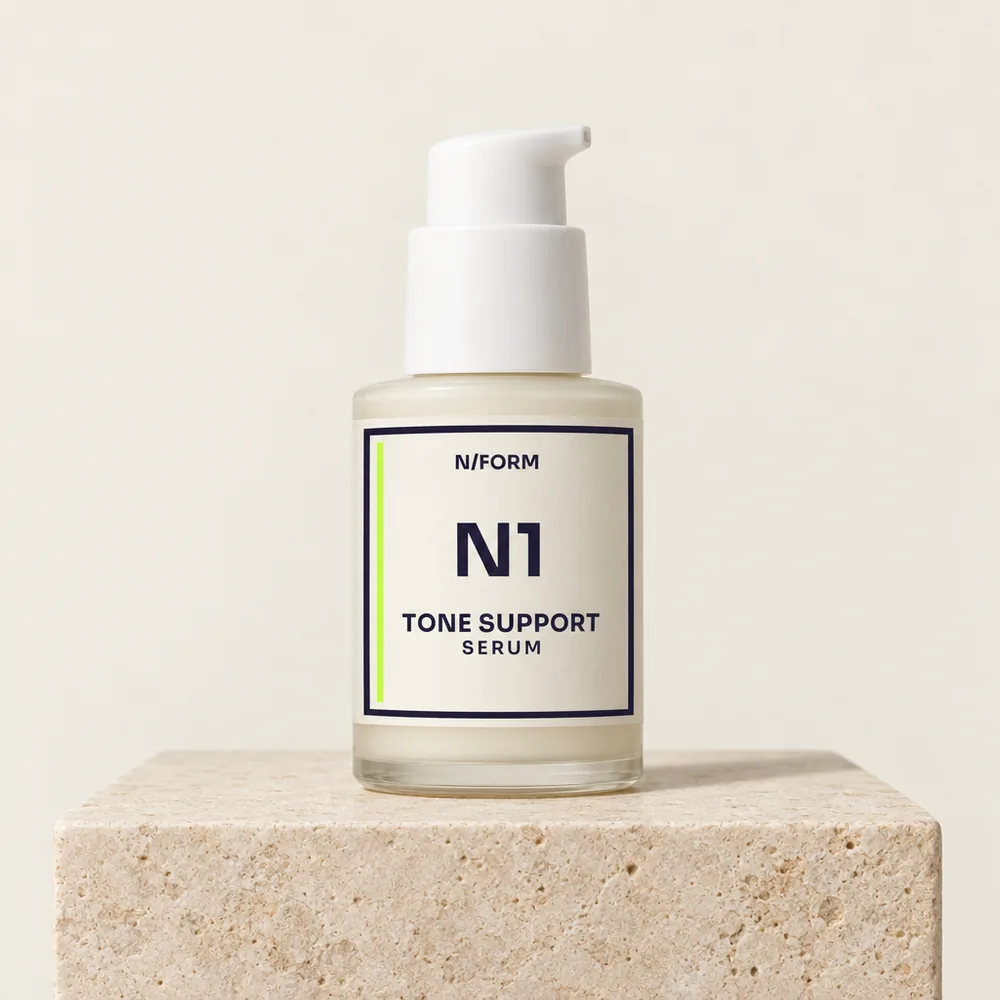
N1
Tone Support Serum
Fragrance-Free Niacinamide + Exosome Serum
Price: $42
Not sure which of these is your skin?
Seven questions about what your skin does, not what you own, and you get the three formulas that treat it. Sixty days to find out, full refund, keep the bottles.
Read next
Sensitive and reactive skinRoutine guide
The Routine for Sensitive, Reactive Skin
Four fragrance-free steps for skin that stings, flushes or flares at products, how to add a product without a reaction, and when to see a doctor.
9 min read · 12 sources
Sensitive and reactive skinGuide
How to Fix a Damaged Skin Barrier (and How Long It Takes)
A damaged barrier stings, flakes and flushes at products it used to tolerate. What broke it, the three-step repair routine, what to stop, and how many weeks.
7 min read · 12 sources
Dry and dehydrated skinGuide
Why Your Skin Feels Tight After Washing (and How to Make It Stop)
That pulled, squeaky feeling thirty seconds after you rinse is your cleanser taking more than dirt. What it took, why moisturizer only patches it, and the fix.
6 min read · 6 sources